-

Observation of the embryonic development process of Neosalanx taihuensis
In order to master the artificial breeding technology of Neosalanx taihuensis and improve the success rate of stock enhancement and release of icefish, we conducted systematic observation experiments on the development process of fertilized eggs of Neosalanx taihuensis. The experiment report is as follows: 1. Materials and Methods 1. Materials: The fertilized eggs of Neosalanx taihuensis used in the experiment were obtained from the artificial breeding base of Neosalanx taihuensis at Xintang Bridge, Zhicheng Town, Changxing County, and the incubation water was filtered water from Basan Reservoir. 2. Time: April 30 to May 13, 1999,
-
Why Are the Leaves of the Kalanchoe Turning Yellow?
Kalanchoe (Kalanchoe blossfeldiana) is one of the easiest plants to grow, but some growers have trouble with the finer details. Some gardeners find their kalanchoe leaves turning yellow and do not know why, so here is a brief explanation of the causes of yellowing leaves in kalanchoe.
-
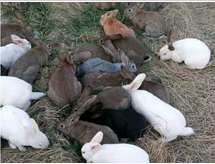
What are the specific signs of nutritional imbalance in female rabbits?
In what specific ways does nutritional imbalance in female rabbits manifest?
-
A Detailed Guide to the Key Cultivation Techniques and Management Methods for New Zealand Spinach
1) Cultivation characteristics and features. The New Zealand spinach plant grows in clumps, has strong branching ability and fast growth, and can produce side branches at every leaf axil. After topping, under suitable temperatures, side branches reach harvest standard in about 15 days. The stems grow prostrate and can reach 120 cm in length, and the leaves are triangular and alternate. The leaf flesh is thick, and small yellow flowers are borne at each leaf axil; the flowers are very few and have no petals. The ovary is inferior, and the fruit is a nut, rhombus-shaped, resembling spinach, containing several seeds, with a 1000-seed weight of 83-100 grams. New Zealand spinach prefers warmth and is heat-tolerant, low-temperature-tolerant, drought-resistant, salt-alkali-tolerant, moisture-loving but afraid of waterlogging. Its root regeneration ability is weak. In summer, with high temperature and heavy rain, if plants are too dense, stems rot easily and the plants die. It is not frost-tolerant, but has good low-temperature adaptability. In summer drought and strong light, the leaves become hard, curled and poor for eating. During the seedling stage, drought and strong light can induce viral disease. Under weak light and high humidity, the stems and leaves are tender. New Zealand spinach grows vigorously, and there are very few pests and diseases throughout the entire growing period, making it a natural pollution-free vegetable. One planting of New Zealand spinach can be harvested continuously; sown in spring, it can be harvested after 50 days, until frost, and cultivation is very easy. New Zealand spinach seeds shed easily and are not easy to harvest, so they need to be harvested in batches; seeds that fall to the ground can germinate in autumn or after overwintering in the following spring.
-
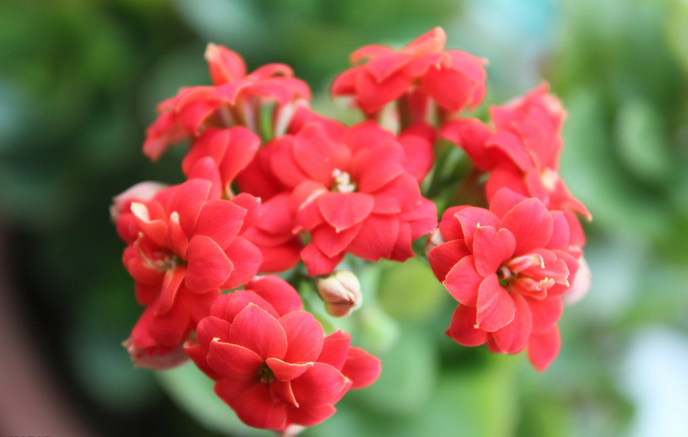
Is Kalanchoe suitable for growing indoors? You'll understand after reading this
Kalanchoe combines many flower colors, easy care and other advantages in one, and is very popular among flower lovers. Some flower lovers want to grow Kalanchoe indoors, but do not know whether Kalanchoe is suitable for indoor growing. Kalanchoe can be grown indoors, but it should be viewed according to specific situations. The first situation: during the flowering period, place Kalanchoe indoors for viewing
-
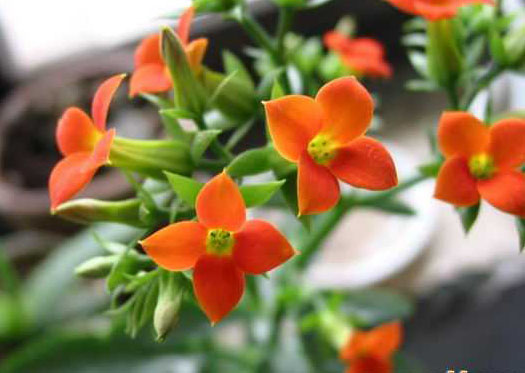
Why can Kalanchoe blossfeldiana live so long? A full analysis of the reasons
Kalanchoe blossfeldiana is also known as Shouxing flower, dwarf kalanchoe, and Christmas kalanchoe. It is a perennial evergreen succulent plant of the Crassulaceae family. The stems are upright; the leaves are fleshy, opposite, elliptic-oblong, dark green and glossy, with slightly reddish edges; the paniculate cyme bears flowers in colors such as scarlet, peach red, orange red, yellow, and white; the flowers are small
-
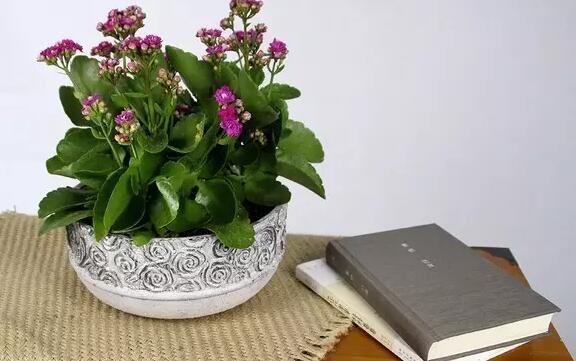
What to do when Kalanchoe leaves turn yellow? Give it more sun, water it less, and cut off the yellow leaves
As a beautiful flower that is also good for human health, Kalanchoe (Kalanchoe blossfeldiana) is deeply loved by gardening enthusiasts. However, during the growing process, due to improper operation or carelessness, Kalanchoe can become sick, and the common symptom is yellowing leaves. So what should you do when Kalanchoe leaves turn yellow? It is actually very simple
-
A Detailed Guide to Kalanchoe Propagation and Seedling Methods: Easily Grow Robust Seedlings
Kalanchoe is mostly propagated by asexual methods; besides cuttings, tissue culture is also widely used. There are two types of cuttings: leaf cuttings and tip cuttings. Generally, leaf cuttings and tissue culture are mostly used for producing stock plants; tip cuttings are mostly used for pot flower production.
-

This year's grain prices are not ideal. How can subsidies balance farmers' income with overall volume regulation?
Grain prices are not good this year. Is it because green land-based subsidies are too attractive? How can farmers' income be safeguarded while also regulating overall volume?
-
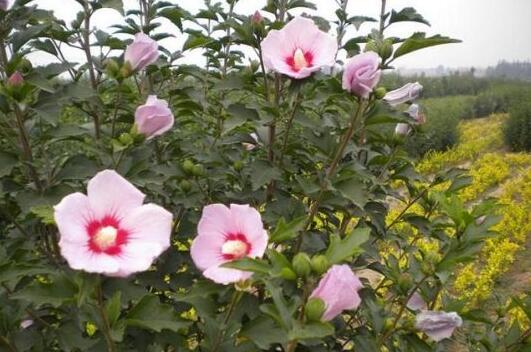
How to Fertilize Hibiscus: Fertilization Methods for Hibiscus / Balanced Nutrition and Never Overdo It
Fertilizing, like watering, is very important in the cultivation of hibiscus, and when fertilizing, the choice of fertilizer and the amount to use both need to be considered. So how do you fertilize hibiscus in a more scientific way? Let's look at the fertilization methods for hibiscus.
条件筛选