What are the specific signs of nutritional imbalance in female rabbits?
Basic nutritional imbalance in female rabbits manifests in three aspects: nutritional deficiency, overnutrition, and nutritional imbalance.
Nutritional deficiency:When the feed has low nutritional value or the daily amount given is insufficient, so that the nutritional needs of the female rabbit cannot be met, the female rabbit will show symptoms such as coarse, dull fur, a thin and weak body, and an arched spine. When a female rabbit is too thin, the endocrine system is affected, gonadal secretion is disrupted, and she does not come into heat or the estrous cycle is prolonged; at the same time, the uterine mucosa is very thin, so even if mating occurs, conception is not easy. When the nutritional level is too low, the hypothalamus's secretion of gonadotropin-releasing factor is inhibited, the secretion of other hormones is also affected, and endocrine disorders affect embryo survival, leading to a decline in the reproductive rate.
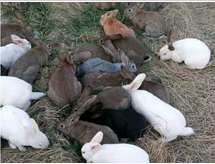
Overnutrition:When the nutritional level of the feed is too high, or the amount fed frequently exceeds the proper amount, the female rabbit becomes overly obese. In an overly fat female rabbit, body fat content is high, a large amount of fat is deposited in the wall of the oviduct, and elasticity decreases, making it difficult for the egg to move to the ampulla of the oviduct and hindering the union of sperm and egg.
Nutritional imbalance:Protein, fat, and carbohydrates in the feed should be proportioned reasonably, otherwise the feeding effect will be affected. Taking the rex rabbit as an example, its feeding standard is 17%-18% crude protein, 3%-5% crude fat, 10-11 megajoules of digestible energy per kilogram of feed, and 12%-15% crude fiber. If the amount of corn used is large (digestible energy per kilogram of feed reaches 12 megajoules) and the amount of protein feed used is small (crude protein below 15%), the reproductive rate of breeding rabbits will decline.
The vitamins related to reproduction include vitamin A, vitamin D, vitamin B1, and vitamin E.
Vitamin A:Vitamin A plays an important role in the growth and development, reproduction, and disease resistance of domestic rabbits, and is an indispensable substance for maintaining the normal epithelial cells of various tissues and organs. When vitamin A is deficient, the epithelial cells of the reproductive organs become keratinized, causing the function of the reproductive system to decline.
Vitamin D:Vitamin D can promote the absorption of calcium in domestic rabbits and promote their growth. If it is deficient, domestic rabbits will show soft bones and impaired reproductive capacity.
Vitamin E:Vitamin E, also called tocopherol, plays an antioxidant role in the body of domestic rabbits and can prevent the oxidation of unsaturated fatty acids in the body. When vitamin E is deficient in the rabbit's body, the unsaturated fatty acids in the body are oxidized excessively, producing too many peroxides, which can cause pathological changes in the morphology and function of the reproductive organs, damage germ cells, and cause reproductive disorders.
Vitamin B1:Vitamin B1, also called thiamine, is part of the coenzyme in keto acid oxidation and decarboxylation reactions in sugar metabolism in the rabbit's body. When vitamin B1 is deficient, pyruvate metabolism is blocked, causing pyruvate to accumulate in the brain and blood and resulting in poisoning. Because sugar metabolism is blocked and energy supply is insufficient, neurological dysfunction occurs; female rabbits show ovarian atrophy, stalled follicle development, and absorption of embryos resulting in empty pregnancy, and pregnant female rabbits show stillbirth and miscarriage, while after kindling the young rabbits are weak and milk production declines, among other effects.