-
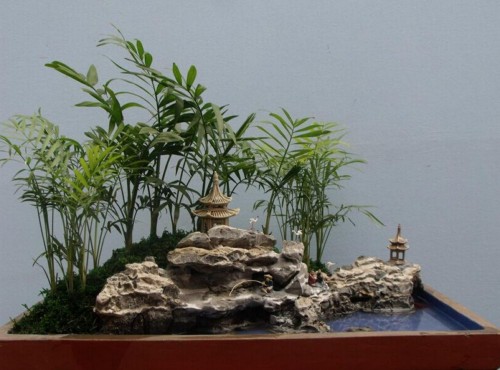
There is an art to placing a rockery bonsai, and where you put it brings the best feng shui
If the indoor space at home is small, feng shui does not recommend installing a rockery. Rockeries and ponds should be placed in the auspicious positions of the home to bring prosperity in family and wealth. If the indoor space is not large enough, placing a rockery and pond in an inauspicious position will bring bad luck to the home.
-

Where should the cuttings for propagating pothos be taken from
The propagation of potted flowering plants can mostly be achieved through cuttings, and pothos is no exception. You can likewise take stem cuttings from the mother plant for propagation, thereby obtaining small potted seedlings. Spring is a very suitable season for propagating pothos from cuttings, but many people are not familiar with the cutting method and process for pothos.
-
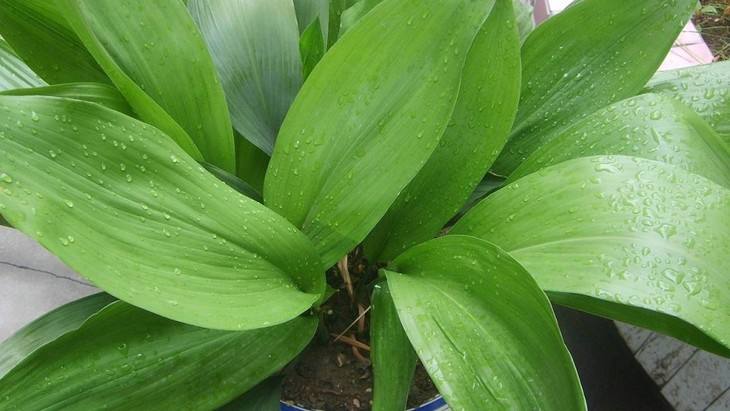
Is Aspidistra toxic? Where is the best place to keep it at home, and what should you do if the leaves turn yellow and it stops growing new leaves?
The Aspidistra (cast iron plant) has beautiful, emerald-green leaves, and many people like to use it to purify the air and decorate their homes. Although the Aspidistra is a low-maintenance plant, it still needs occasional careful attention to prevent problems such as yellowing leaves. Many people probably have this question: Is Aspidistra toxic?
-

Horsetail is a Chinese herbal medicine; wherever there is a puddle, there it grows
Wherever there is a puddle, this plant will grow. It has not a single leaf, and its whole body is made up of segments. As a child, when bored, I would pull it apart segment by segment and then wreck it piece by piece. Many friends have probably already guessed what plant this is: it is horsetail. Horsetail is a kind of Chinese herbal medicine
-
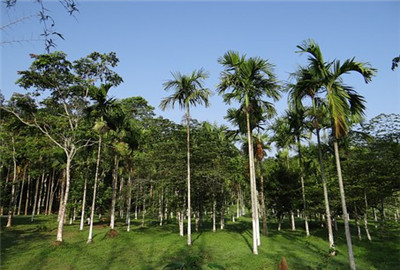
Where is the areca palm suitable for planting, and how does it differ from the palm tree?
We often see pre-packaged areca nuts at store counters, but in everyday life we rarely see the areca palm tree. It is mainly distributed in Central Africa and Southeast Asia. It has been introduced and cultivated in China for 1500 years, with more cultivation in the two provinces of Hainan and Taiwan, China, and it is also cultivated in Guangxi, Yunnan, Fujian and other provinces (regions). So
-
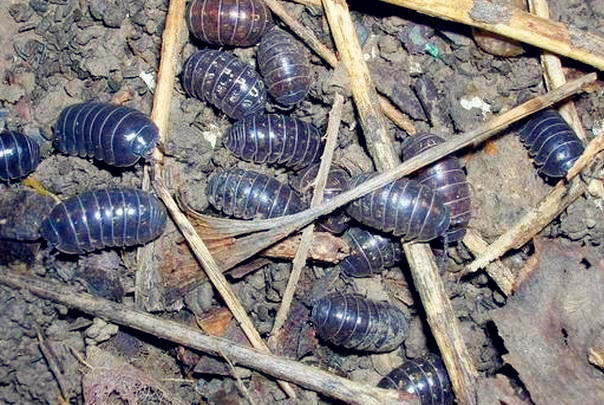
Where do woodlice in the home and in flower pots come from, and how should you get rid of them?
Woodlice generally refer to the common pill bug (Porcellio scaber and related species), also known as shufu, fupan, shugu, shunian, and dijishi. So where do woodlice in the home come from? How do you kill them? How do you get rid of the ones in flower pots? Pest-control expert Xiao Zhi explains that woodlice like to live under rotten wood, fallen leaves, stones and the like, and sometimes also appear in houses and courtyards.
-
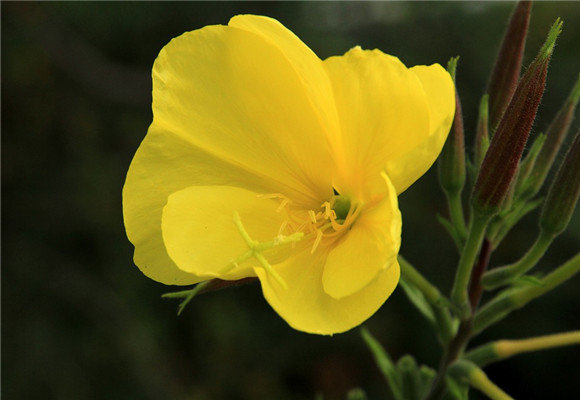
Where does evening primrose grow? Introduction to its effects, functions and cultivation methods
Evening primrose is a species in the genus Oenothera of the family Onagraceae, native to North America (especially Canada and the eastern United States), introduced to Europe early on, and then rapidly spread to temperate and subtropical regions of the world. So, where does evening primrose grow? What effects and functions does it have? How is it cultivated? Where does evening primrose grow?
-
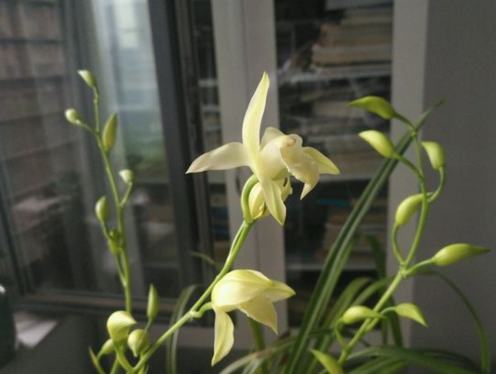
Where does Cymbidium ensifolium grow? How many times does it bloom a year and how to care for it
Cymbidium ensifolium is native to many parts of China and widely distributed across Southeast Asia and South Asian countries, reaching as far north as Japan. This flower is cultivated and has high horticultural and herbal value. So, where does Cymbidium ensifolium grow? How many times does it bloom a year? How to care for it? Where does Cymbidium ensifolium grow? Orchids generally grow on the mid-slope valley walls of deep mountains and secluded valleys
-
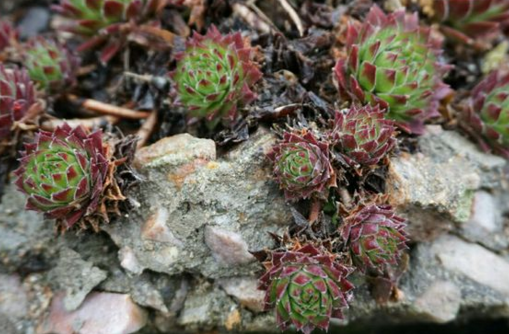
Where is Sempervivum suitable for cultivation, which month does it bloom, and does it die after blooming?
Sempervivum is the collective name for plants in the genus Sempervivum of the Crassulaceae family, mainly distributed across Eurasia. They readily form clusters, are cold-hardy, relatively tolerant of sun, and intolerant of damp heat, making them suitable as accent plants in rock gardens. So, where is Sempervivum suitable for cultivation? Which month is its blooming period? Does it die after blooming? Where is Sempervivum suitable for cultivation
-
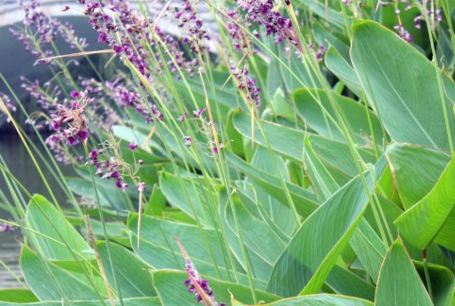
Where is Thalia geniculata originally from, what environment suits it, and how do you grow it in pots?
Thalia geniculata, also known as water bamboo taro and water lotus banana, is a perennial emergent herbaceous plant that produces purple flowers at the tips of its stems, resembling bait tied to a fishing rod, with a very distinctive shape. So, where is Thalia geniculata originally from? What environment suits its growth? How do you grow it in pots? Where is Thalia geniculata originally from?
条件筛选