-

Where Is the Origin of Hyacinths? A Detailed Explanation of Their Cultivation and Growing History
The Origin and Cultivation History of Hyacinths The origin of hyacinths is in the northeastern Mediterranean, and they have a long cultivation history dating back to the 15th century. For more than 300 years, hyacinths have been a favorite flower breeding subject for European horticultural plant breeders
-
Where do the materials for making bonsai come from? Pay attention to protecting natural plants
Since the day bonsai art was born, it has been inextricably bound to nature: first, the materials used in bonsai creation (tree stumps, stones, etc.) come from trees, flowers and grasses as well as mountain rocks in nature; second, what bonsai works display is the wonderful scenery of nature
-
Where is the place of origin of lettuce? An introduction to its cultivation history
Lettuce is the common name for leaf lettuce, also known as goose lettuce, stem lettuce, and mai zai cai, among others. It is an annual or biennial herbaceous crop of the genus Lactuca in the Asteraceae family. According to leaf growth form, it can be divided into head lettuce, curly-leaf lettuce, and upright lettuce. It is rich in nutrients and can be eaten raw; it is crisp and refreshing with a slight sweetness.
-
Where Is the Place of Origin of the Peanut? Understanding the Cultivation History of Peanuts in One Article
The peanut is a nut with abundant yields and widespread consumption in China, also known as the groundnut, the "longevity fruit," and the earth bean, among other names. It is an annual herbaceous plant of the order Rosales and the family Fabaceae (Leguminosae), best planted in warm climates with moderate rainfall in sandy soil areas, and is mainly distributed in Brazil, China, Egypt, and other places.
-
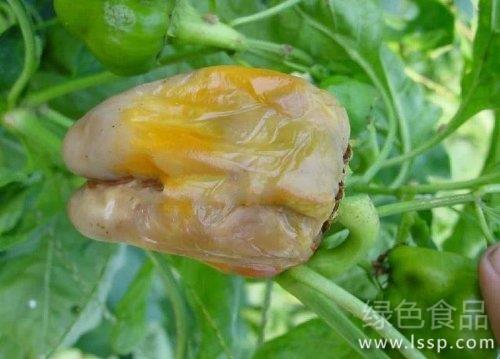
How should bell pepper sunscald, where the flesh loses water and thins before finally rotting, be prevented and controlled?
Prevention and control methods for bell pepper sunscald, where the flesh loses water, thins and finally rots
-
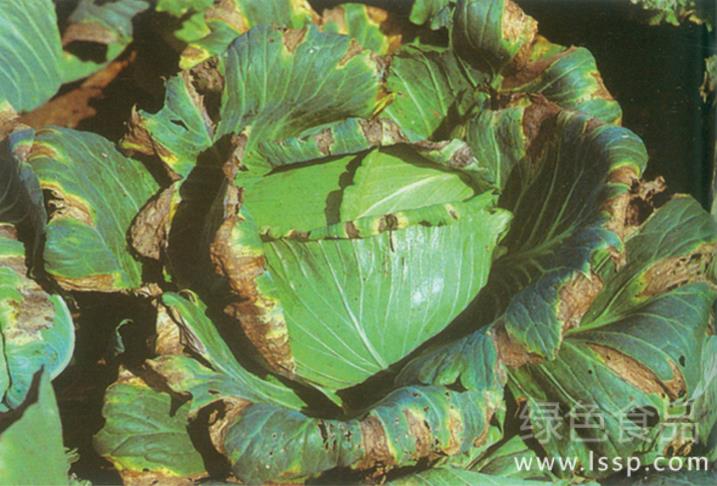
Control methods for cabbage downy mildew where lesions grow mold that merges and causes leaf death
Control methods for cabbage downy mildew where lesions grow mold, merge and cause leaf death
-

Where is it suitable to plant the garden croton?
The leaves of the garden croton are thick and vibrant, looking extremely beautiful with strong ornamental value; it is a famous foliage plant. In northern China, it is often grown as a potted plant to decorate living rooms and balconies, as well as to adorn parks and shopping malls. If you want to grow the garden croton
-
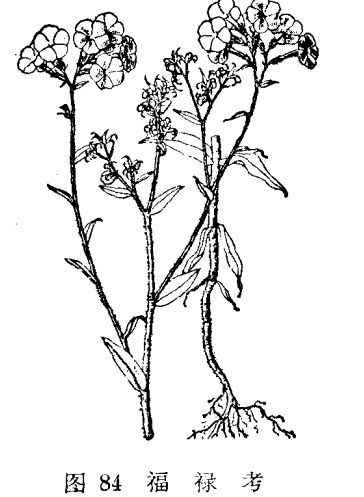
Where is the main producing area of Phlox? Detailed explanation of planting methods
[Aliases] Grass oleander, foreign plum blossom, bellflower pink. [Family and genus] Polemoniaceae, genus Phlox. [Morphology] Annual herb, plant height 15-45 cm. Stems erect, much branched, with glandular hairs. Basal leaves opposite, others occasionally alternate, broadly ovate, oblong to lanceolate. Cyme terminal
-
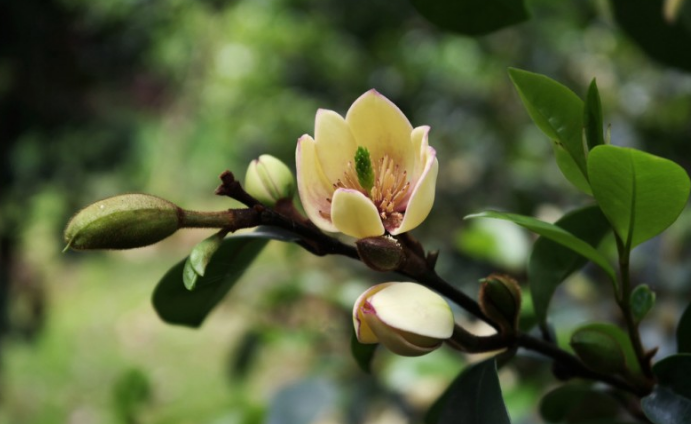
How to grow and propagate banana shrub? Where can it be placed?
Banana shrub (Michelia figo) is something many people like; this banana shrub is a symbol of good fortune. What are the methods for growing and propagating banana shrub? Where can banana shrub be placed: Growing methods for banana shrub: 1. Potting soil: fertile sandy soil with moderate acidity and alkalinity can be used; for the soil mix, use three parts leaf mold, three parts fertile soil
-
Where is the northern limit for Orah mandarin cultivation? A detailed guide to suitable production areas
Orah mandarin, giving life another possibility! VS Chinese Orah mandarins are represented by Wuming. Orah mandarins have given many bosses hope, Orah mandarins have created a batch of large citrus bases, and made many...
条件筛选