-
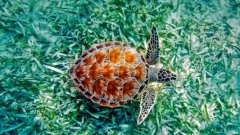
Why is the green sea turtle called a living fossil of the animal kingdom, and what are its main characteristics?
The green sea turtle belongs to the family Cheloniidae, genus Chelonia. It is distributed around the poles, with traces found in sea areas from 35 degrees north latitude to 35 degrees south latitude, but it is mainly distributed in tropical to subtropical sea areas. What is its body shape like? What kind of characteristics does it have? Let's take a look together.
-
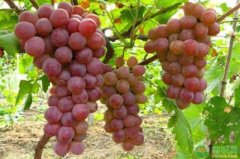
What are the main grape diseases? Cause analysis and pest and disease control methods
What are the ecological causes of the main grape diseases? Each main grape disease occurs in a different period. Besides understanding its occurrence period, one must also grasp the optimal conditions for the onset of each individual disease. For example, grape downy mildew occurs in Taiwan, China from May to November. Continuous rainfall during the plum rain season and typhoon season is most favorable for the onset of downy mildew. Once it occurs, the pathogen multiplies rapidly and in large quantities and spreads quickly with wind and rain, followed by severe outbreaks.
-
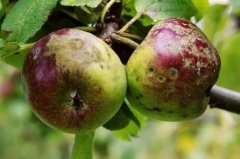
How to treat apple scab (apple black spot)? A new breakthrough treatment lends a hand
Do you like eating apples? Then you know that apples are very prone to pests and diseases, and some growers spray pesticides to prevent them, which makes it easy for apples to end up with pesticide residues. Apple scab, also known as apple black spot, is a disease caused by fungi and is especially
-
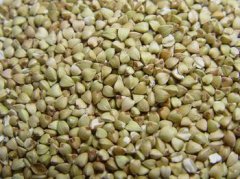
What are the nutritional value, benefits and suitable groups of buckwheat?
Buckwheat is a grain we all know, and we eat it often, but do you know what its nutritional value includes? Buckwheat is quite high in nutrition and stands out among cereal crops. It contains 19 amino acids and multiple vitamins as well as minerals beneficial to the human body,
-
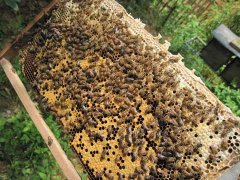
Introduction to Bee Keeping Techniques and Common Types of Pests
Bee keeping also requires attention to the harm caused by pests. Bee pests include bee species, bee lice flies, and wax moths that damage the wax of brood combs. Bee enemies include toads, spiders, and hornets. Let's take a look below. Toads: Toads mostly appear in summer
-
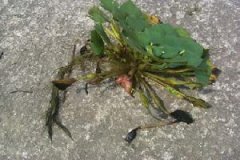
What Is the Water Chestnut? A Detailed Guide to Water Chestnut Cultivation and Deep-Water Planting Methods
Water Chestnut Planting Site Selection The water chestnut, also known as ling, belongs to the genus Trapa in the family Trapaceae and is an annual aquatic crop. The water chestnut is suited to surviving in hot, humid swamp or paddy field environments. So how exactly is it planted? Let's take a look together and try growing it yourself! Water Chestnut Cultivation
-
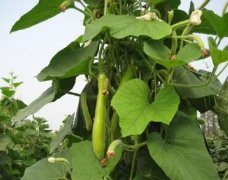
What is Bottle Gourd? How to Pinch and Prune When Growing Bottle Gourd
Bottle gourd is also called hu gua (calabash). Bottle gourd is a very popular vegetable, so do you know how it is grown? Would you like to learn about it? 1. Cultivation season: Although bottle gourd can be cultivated year-round in Taiwan, China, the central and northern parts are best planted in March to April, while the southern part is best planted between December and January of the following year, because at this time the temperature gradually rises, and plant development and reproduction are better than with autumn planting, with higher yields as well.
-
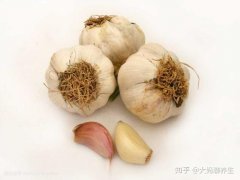
What are the benefits and effects of garlic? An analysis of the benefits of eating garlic
Garlic is a seasoning vegetable we use often. Garlic adds flavor, whether stir-frying greens, braising fish in soy sauce or stewing chicken soup, garlic is a nutritious and delicious ingredient, while Western steak and Italian pasta are also often paired with garlic in cooking, showing that garlic is popular in both the East and the West
-
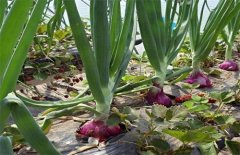
How to Grow Onions: Planting Time and Suitable Soil Selection
What climate and soil conditions are required for growing onions, and how to grow them to produce good onions. Onions prefer climate conditions with ample sunlight, warmth and coolness, and dislike high-temperature, high-humidity environments. The optimum temperature for seed germination is between 16°C and 25°C, and the root system develops best
-
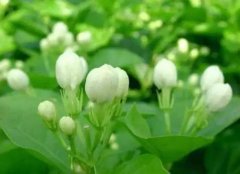
What are the benefits and effects of jasmine tea? A detailed guide to the uses of jasmine in tea
Jasmine flowers can be brewed into tea, a very good health tea; let's take a look at exactly what effects they have. 1. Regulating female hormones Jasmine flowers contain linalool and farnesol, components similar to the hormone progesterone, which can supplement progesterone deficiency and regulate women's
条件筛选