What are the nutritional value, benefits and suitable groups of buckwheat?
Buckwheat is a grain we all know, and we eat it often, but do you know what its nutritional value includes?
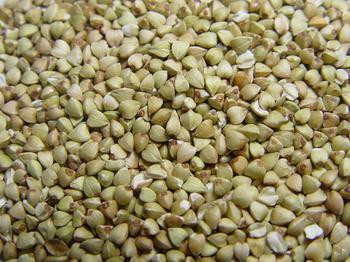
Buckwheat is quite high in nutrition and stands out among cereal crops. It contains 19 amino acids and multiple vitamins as well as minerals beneficial to the human body, and it also contains chlorophyll, niacin and rutin, which are rarely found in other grains. Nutrients in buckwheat such as vitamin E, zinc, chromium and dietary fiber are all beneficial for controlling blood sugar, and buckwheat has a low glycemic index. Clinical observations have found that after diabetic patients consumed buckwheat, blood sugar and urine sugar decreased to varying degrees, and many mild patients can control their condition simply by eating buckwheat.
Quinoa is a whole-grain, fully nutritious, complete-protein alkaline food; the endosperm accounts for 68% of the seed and has nutritional activity; its protein content is as high as 16%-22% (beef is 20%); its quality is comparable to milk powder and meat; it is rich in multiple amino acids, including all 9 essential amino acids required by the human body, in appropriate proportions and easy to absorb; it is especially rich in lysine, which is lacking in plants; its mineral nutrients such as calcium, magnesium, phosphorus, potassium, iron, zinc, selenium, manganese and copper are high; it is rich in unsaturated fatty acids, flavonoids, B vitamins and vitamin E, choline, betaine, folic acid, α-linolenic acid, β-glucan and other beneficial compounds; its dietary fiber content is as high as 7.1%; cholesterol is 0; it contains no gluten; it is low in fat, low in calories (305kcal/100g), and low in glycemic response (GI value 35; the standard for low glycemic response is 55), making it almost the best among common foods.
It can generally be eaten by everyone and is suitable for all groups, especially for chronic diseases such as high blood sugar, high blood pressure, high blood lipids and heart disease, as well as infants and young children, pregnant and postpartum women, children, students, the elderly and people with special constitutions or irregular lifestyles.