What are the benefits and effects of garlic? An analysis of the benefits of eating garlic
Garlic is a seasoning vegetable we use often. Garlic adds flavor, whether stir-frying greens, braising fish in soy sauce or stewing chicken soup, garlic is a nutritious and delicious ingredient, while Western steak and Italian pasta are also often paired with garlic in cooking, showing that garlic is widely popular in both the East and the West! Garlic is not only tasty, it is even better for the body, and anyone who values health must know about it!
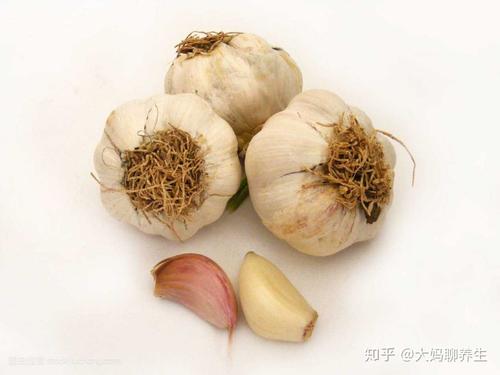
The health benefits of garlic
1. Preventing tumors and cancer: The sulfur-containing compounds in garlic can promote the production in the intestine of an enzyme or substance called allicin, and through multiple pathways such as enhancing the body's immune capacity, blocking the formation of lipid peroxidation and resisting mutation, eliminate the risk of intestinal tumors caused by substances in the intestine. Elements such as germanium and selenium in garlic can inhibit the growth of tumor cells and cancer cells. Experiments have found that the population with the lowest cancer incidence is the population with the highest selenium content in the blood. Among the plants with the greatest anti-cancer potential in the world, garlic ranks first.
2. Anti-aging effect: Certain components in garlic have antioxidant and anti-aging properties similar to vitamin E and vitamin C.
3. Anti-fatigue effect: Some studies have found that pork is one of the foods rich in vitamin B1, and vitamin B1 combined with the allicin contained in garlic can very well play a role in eliminating fatigue and restoring physical strength.
4. Preventing cardiovascular and cerebrovascular diseases: Epidemiological study results show that in areas where each person eats an average of 20 grams of raw garlic per day, the incidence of death from cardiovascular and cerebrovascular diseases in the population is significantly lower than in areas without the habit of eating raw garlic. Garlic can prevent fat deposition in the cardiovascular and cerebrovascular systems,
induce fat metabolism within tissues, significantly increase fibrinolytic activity, lower cholesterol, inhibit platelet aggregation, reduce plasma concentration, increase the dilation of arterioles, promote blood vessel relaxation, regulate blood pressure, and increase vascular permeability, thereby inhibiting the formation of blood clots and preventing arteriosclerosis.
5. Powerful sterilization: Garlic is a natural broad-spectrum plant antibiotic. Garlic contains about 2% allicin, and its sulfur-containing compounds have extremely strong antibacterial and anti-inflammatory effects, inhibiting and killing many kinds of cocci, bacilli, fungi and viruses. It is currently the strongest antibacterial agent found among natural plants. After entering the human body, it can react with the cystine of bacteria to form crystalline precipitates, destroying the sulfhydryl groups in the sulfur-amino organisms necessary for bacteria, causing bacterial metabolism to become disordered, so that they cannot reproduce and grow.
In addition, it can also kill many kinds of pathogenic fungi and parasites such as hookworms, pinworms and trichomonads. Therefore, eating raw garlic is an effective method for preventing influenza and preventing intestinal infectious diseases. But it should be noted that allicin is easily destroyed at high temperatures and loses its sterilization effect.