-
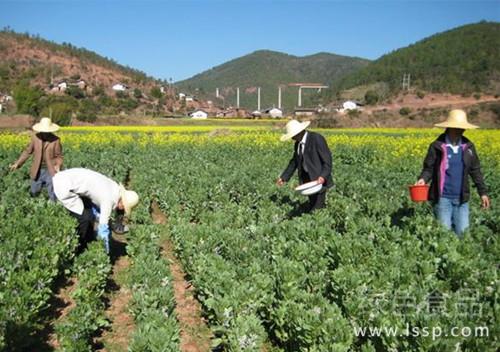
The flowering stage of broad beans is the peak period of fertilizer demand: understanding the fertilizer demand pattern and fertilization methods
The flowering stage is the peak period of fertilizer demand for broad beans: fertilizer demand pattern and fertilization methods for broad beans
-
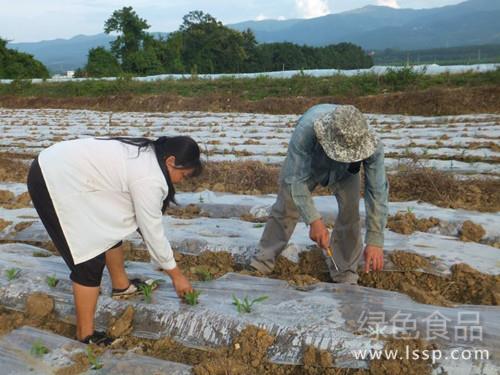
Key Points for High-Yield Cultivation and Management of Spring Corn under Plastic Mulch
Plastic mulch cultivation can increase yield: management key points for spring corn under plastic mulch
-
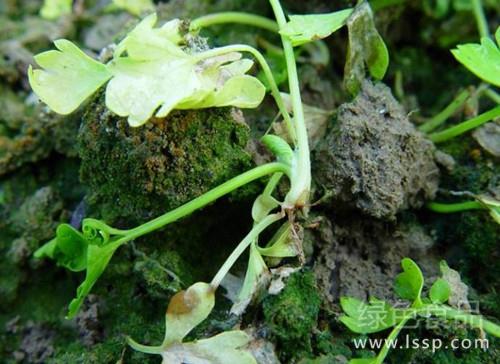
Vegetable underground pests damage seeds and bite off young roots and tender stems. How can they be controlled?
Control methods for vegetable underground pests that damage seeds and bite off young roots and tender stems
-
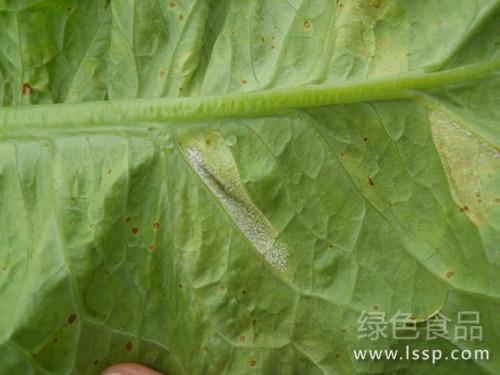
Lettuce downy mildew causes white mold on the undersides of leaves, yellowing and drying up. How should it be prevented and controlled?
Prevention and control methods for lettuce downy mildew with white mold on leaf undersides, yellowing and drying up
-
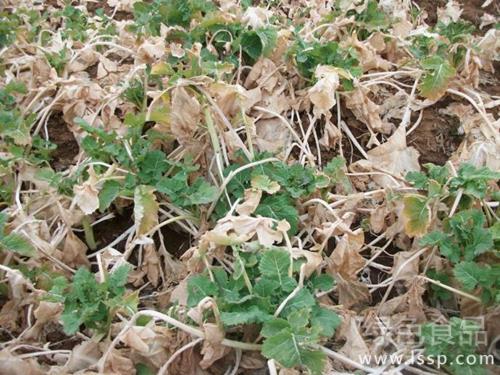
Rape (rapeseed) is prone to freezing injury under low winter temperatures: remedial measures for rapeseed freeze damage
Rape (rapeseed) is prone to freezing injury under low winter temperatures: remedial measures for rapeseed freeze damage
-
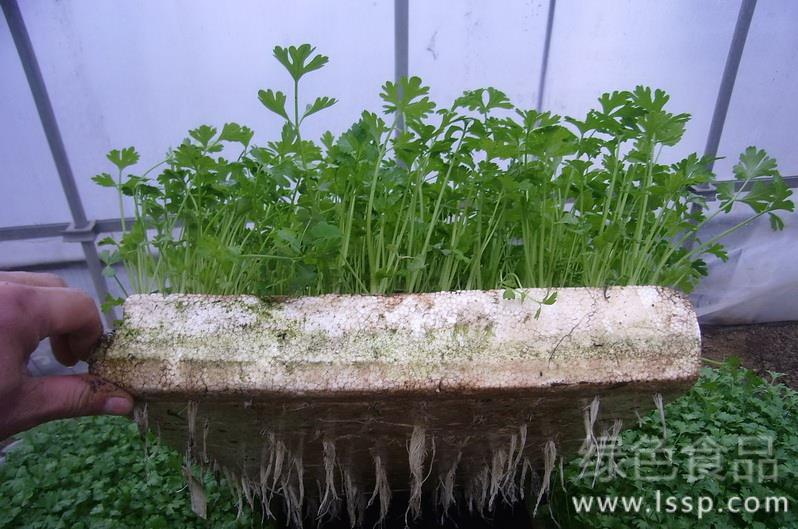
Celery is difficult to germinate under high summer temperatures; what should be noted for raising seedlings?
Celery germination is difficult under high temperatures: points to note for raising celery seedlings in summer
-
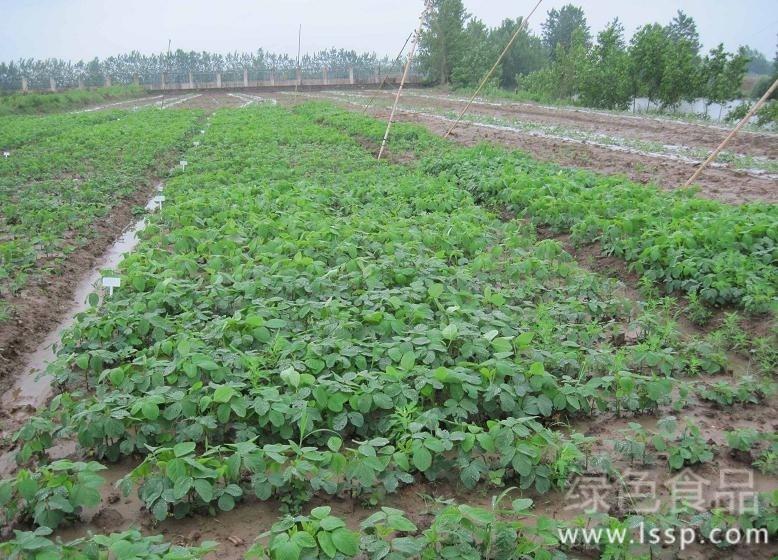
Management Key Points for Soybeans Under Three Planting Methods at the Turn of Spring and Summer
Management Key Points for Soybeans Under Three Different Planting Methods at the Turn of Spring and Summer
-

How to grow hyacinths? Understanding their ecological habits and growing environment requirements
Ecological habits of hyacinths. Hyacinths prefer a sunny and fairly moist environment, and require well-drained, fertile sandy loam. They are relatively cold-tolerant; in regions with fairly warm winters, they root in autumn, new shoots emerge in early spring, they bloom in March, the fruit ripens in late May, and the above-ground parts wither in early June and enter dormancy.
-
What Is Plant Grafting? Understanding Grafting Principles in One Article
Grafting: The advantage is that it allows you to obtain varieties with excellent genetic traits. Grafting is the process of joining the branch or bud of one plant onto the stem or root of another plant. The former is called the scion, and the latter is called the rootstock or stock. The scion generally uses a seedling with 2 to 4 buds.
-
How Do You Propagate Marigolds? Understanding Propagation Methods in One Article
The marigold, which carries an auspicious meaning, has long been regarded as a flower of respect for the elderly. Native to Mexico, it is not demanding about soil and does best in fertile, well-drained sandy loam. It prefers a warm, humid environment with plenty of sunlight. Seed propagation is the main method, though cuttings can also be used. Let's take a look below.
条件筛选