Vegetable underground pests damage seeds and bite off young roots and tender stems. How can they be controlled?
Underground pests are one of the major enemies of greenhouse vegetables. They damage seeds, young shoots and roots, causing missing plants and even crop destruction, which leads to reduced vegetable yields.
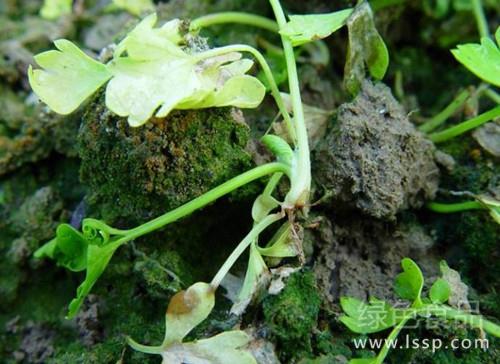
Damage caused by vegetable underground pests
I. Main damage symptoms:
1. White grubs are the larvae of scarab beetles. They feed on vegetable young roots, stem pith and underground parts, often wounding or biting them off. Damage characteristics: the cut is relatively neat, causing seedlings to wither and die.
2. Wireworms are the larvae of click beetles. They bite and feed on seeds, embryos and roots and stems. Damage characteristics: they bite small holes in young roots and stems, causing dead seedlings and missing plants and leading to tuber rot.
3. Mole crickets bite and feed underground on freshly sown or germinating seeds and also feed on tender stems and roots. Damage characteristics: they bite them into a tangled mess, are active in the surface soil layer and form tunnels, separating roots from the soil and causing seedlings to wither and die.
4. Cutworm larvae have a mixed diet. They hide in the soil by day and come out at night to cause damage. Damage characteristics: they bite off the base of the stem, causing missing plants and gaps in the crop, and even crop destruction.
II. Control measures:
1. Agricultural control: do not apply undecomposed organic fertilizer, to prevent attracting adults to come and lay eggs; carry out intensive cultivation, press down the soil in time and remove field weeds. In severely affected areas, turning the soil in autumn and winter can bring overwintering larvae to the surface so they dry out, freeze to death or are preyed on by natural enemies; the mechanical killing effect is obvious.
2. Chemical soil treatment: use 200-250 grams of 5% phoxim emulsifiable concentrate per mu, add 10 times water, spray onto 25-30 kg of fine soil, mix well to make poisonous soil, apply in strips along the rows or spread in the seed furrow or on the ground, then immediately plow and turn it in or mix it into barnyard manure and apply it; for 5% phoxim granules, mix with poisonous soil at 2.5-3 kg per mu.
3. Chemical seed dressing. Use 50% phoxim with water and seeds at 1:30:400-500 for seed dressing, or use organophosphorus pesticides or coat with a seed coating agent at 2% of seed weight.
4. Poison bait trapping. Use 150-200 grams of 25% phoxim capsule formulation per mu, mix with 5 kg of bait such as millet, and scatter it in the seed furrow; the control effect is also good.
5. Physical methods. Where conditions permit, black light lamps can be set up to trap and kill adults and reduce the number of pests.
6. Biological control. Where conditions permit, biological preparations such as Beauveria bassiana can also be used to control vegetable underground pests.