-
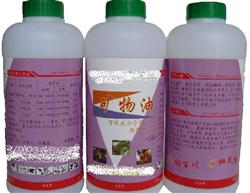
What Is Mineral Oil? An Article to Help You Understand Mineral Oil
What is mineral oil? What does mineral oil do? We ask knowledgeable readers to help provide a detailed introduction. Mineral oil refers to natural-source insecticides obtained by distilling and refining petroleum according to different boiling points and viscosities. Common mineral oil products include 94%, 95%, and 99.1% emulsifiable concentrate products. Below, Zhongdiwang lists mineral oil in detail...
-
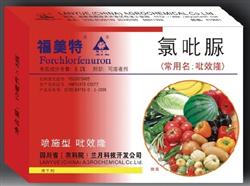
Is Forchlorfenuron a swelling agent? You'll understand after reading this
Is Forchlorfenuron a swelling agent? How should Forchlorfenuron be used properly? We'd also like knowledgeable readers to share their guidance. What is commonly called a swelling agent in daily agriculture refers to the plant growth regulator Forchlorfenuron, but some readers are not very familiar with Forchlorfenuron, so Zhongdi Network has compiled the crops and usage methods for Forchlorfenuron, listed in detail below...
-
What are the effects of applying fungicides? Understanding the main functions of fungicides in one article
What are the effects of applying fungicides? What are the differences? We ask knowledgeable readers to help explain. The effects of applying fungicides can be classified according to the effect of the agent on disease control, and are broadly divided into three categories: protective, eradicant, and curative. Zhongdiwang has compiled the effects of the above three categories of fungicides, listed below for...
-
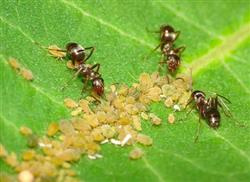
What are the methods for controlling aphids? Read this one article to understand the techniques
What are the methods for controlling aphids? Is there a netizen who can help explain? Zhongdiwang has compiled the methods for controlling aphids, and the following is a detailed list for netizens' reference. Method 1: Make reasonable use of aphids' natural enemies: There are many kinds of natural enemies of aphids, mainly the seven-spot ladybird, green lacewing, aphid hoverfly, flower bug and aphid braconid...
-
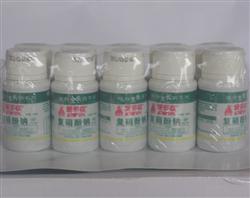
What types of plant growth regulators are there? Understanding the classification in one article
What types of plant growth regulators are there? An introduction. Plant growth regulators refer to synthetic chemical substances with hormone activity. According to their growth effects on plants, they are divided into three major categories: plant growth promoters, plant growth retardants, and plant growth inhibitors. Plant growth promoters: mainly include...
-
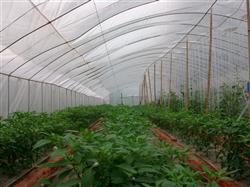
What herbicide is good for growing vegetables under insulation?
In seasons with lower temperatures, to bring vegetables to market earlier and sell them at a good price, in recent years the method of covering with plastic film has often been used to increase temperature and retain heat to promote early maturity and higher yields of vegetables, while also applying chemicals for weed control, which saves labor and increases efficiency. However, years of experience and lessons with chemical weed control under film tell us that if the selected...
-
What does systemic insecticide mean? Read this article to understand
Plant hormones, also called plant growth regulators, are neither pesticides nor fertilizers. Their main function is to coordinate the vegetative growth and reproductive growth of plants. For vegetables, this means regulating them reasonably according to people's requirements for vegetable yield, maturity period and quality, producing high-yield, high-quality vegetables and improving their...
-

What are the control methods for root-knot nematodes? Read this article to understand
Control methods for root-knot nematodes
-

What are the common misunderstandings in the use of sugarcane herbicides
Common misunderstandings about sugarcane herbicides
-
A complete guide to common pesticide classifications: understand them before you buy, and you won't lose out
The unified English name for pesticide is "pesticide," meaning "killing agent." Its general definition refers to, in agricultural production, to protect and promote the growth of plants and crops...
条件筛选