-
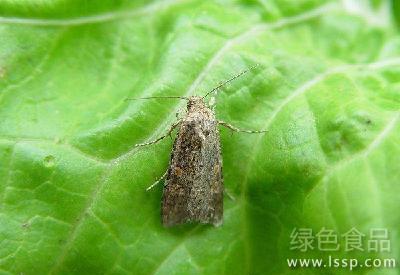
Occurrence Patterns and Control Methods of the Beet Armyworm Pest
Occurrence Patterns and Control Methods of the Beet Armyworm Pest
-
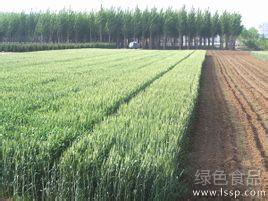
What are the technical characteristics of wheat field intercropping and multiple cropping patterns?
Analysis of the technical characteristics of the "intercropping and multiple cropping" pattern in wheat fields
-
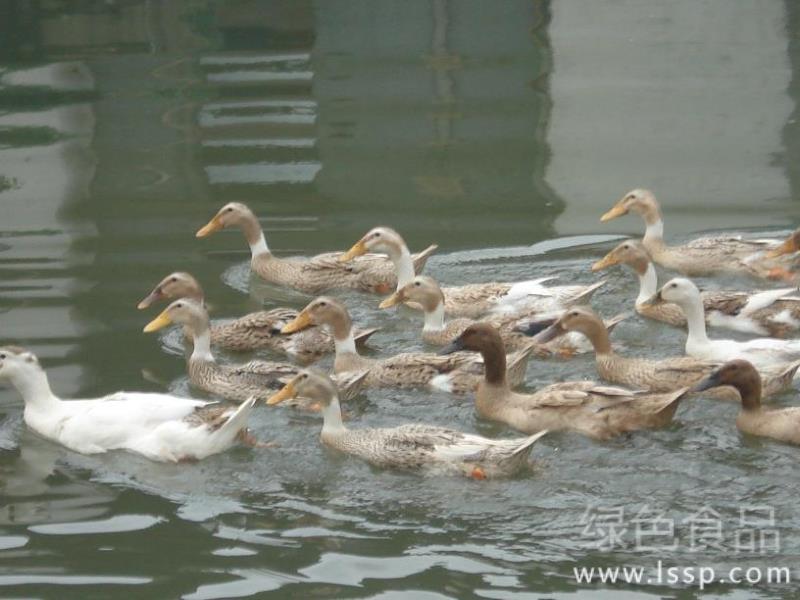
Master the five patterns of scientific duck raising for better returns
Only reasonable duck raising brings good returns; scientific duck raising requires mastering five patterns
-

Downy Mildew in Lisianthus: Occurrence Patterns and Control Methods
Lisianthus plants grow 30-100 cm tall. The leaves are opposite, broadly elliptic to lanceolate, nearly sessile, with the leaf base slightly clasping the stem; the leaf surface is blue-green. The stamens and pistils are prominent, the bracts are narrow and lanceolate, and the petals are arranged in overlapping fashion. Flower colors are rich, including solid and bicolor forms, with single and double petal types.
-

Wind-phlegm asthma pattern must be guarded against at all times; never be careless
When it comes to asthma, most people think of young children and adolescents, and this is indeed because young children have weak resistance and are prone to allergic asthma and various other diseases. By the time they reach youth, as they go through puberty, healthy qi gradually becomes fuller, and along with the treatment of asthma...
-

Why does treating cold-type cough require TCM pattern differentiation?
TCM emphasizes treatment based on pattern differentiation, and many people think it is unnecessary. In everyday life, many people who have a cough or a cold just take whatever medicine treats colds or coughs. For some it works very well, while for others it never works the first time and they have to keep switching...
-
A Detailed Explanation of the Occurrence Patterns and Control Methods of Garlic Root Maggots
Root maggots is the collective term for the larval stage of Diptera pests that damage garlic and other crops. In recent years, the occurrence of garlic root maggots has shown a trend of increasing year by year. Root maggot damage can cause garlic yield reduction and has a major impact on garlic quality, with severe damage leading to serious economic losses. Garlic root maggots (larvae) generally gather on garlic roots and...
-
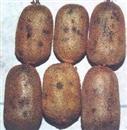
Occurrence Patterns and Control Methods of Kiwifruit Gray Mold
Kiwifruit gray mold mainly occurs during the flowering stage, young fruit stage and storage period of kiwifruit. In severe years, the incidence rate in orchards and during storage can reach more than 50%. Kiwifruit gray mold has become one of the main diseases affecting the healthy development of the kiwifruit industry. 1. Symptoms When young fruit (late May to early June) is affected, residual stamens and petals are densely covered with gray spores. At the initial stage, the fuzz on young fruit turns brown, the skin is infected, and in severe cases it can cause fruit drop. Contaminated stamens and petals attach to leaves and form concentric ring lesions centered on them; the lesions expand and leaves drop. If rain occurs, the disease develops more severely. After fruit is affected, gray-brown mycelium and spores form on the surface, followed by black sclerotia. During storage, fruit is easily infected by diseased fruit.
-

How to fertilize napa cabbage? Master the fertilization patterns and methods
Fertilization patterns and methods for napa cabbage
-
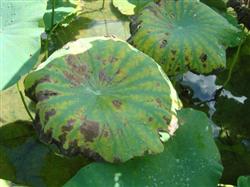
Occurrence Patterns and Control Methods of Lotus Root Brown Spot Disease
Brown spot disease is a major disease of lotus root, widely distributed, and can occur in spring, summer, and autumn. Generally, diseased plants account for 30%-50%, and in severe cases, the incidence rate can reach over 80%, significantly affecting lotus root yield and quality. 1. Symptoms This disease mainly affects the leaves and leaf stalks of lotus root. In the early stage of leaf infection, small brownish-green...
条件筛选