-

What are the occurrence patterns of the black-spotted inchworm on black locust
Occurrence patterns of the black-spotted inchworm on black locust: it has 4 generations a year and overwinters as pupae in the surface soil. In early April of the following year, eclosion begins, followed by mating and egg laying; the egg stage lasts 15 days, and the larval stage about 25 days. In early May, the larvae begin to enter the soil to pupate; the pupal stage lasts about 10 days, after which the first-generation adults emerge, with an adult lifespan of about 5 days. Second-generation adults appear in early to mid-July. Third-generation adults appear in mid-to-late August, and the larvae of the last generation cause damage until mid-September, after which they mature, enter the soil, and pupate to overwinter. Eggs are laid in the cracks of rough bark below 2 m on the tree trunk base, piled into masses and covered with gray down. Newly hatched
-
A Detailed Explanation of the Onset Patterns of Fusarium Wilt in Japanese Euonymus
Onset patterns of Fusarium wilt in Japanese euonymus: the pathogen is Fusarium existing in the soil. The fungus mostly invades through wounds on the roots, but can also directly invade the plant. It generally begins to develop in mid-May, with July and August being the peak period of onset; some plants go from onset to death in no more than a week.
-
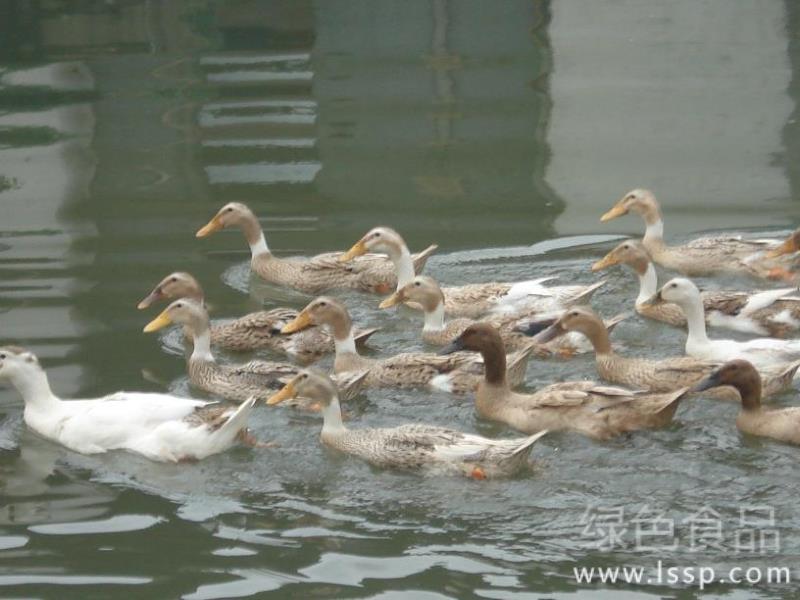
Master the five patterns of scientific duck raising for better returns
Only reasonable duck raising brings good returns; scientific duck raising requires mastering five patterns
-
Wind-phlegm asthma pattern must be guarded against at all times; never be careless
When it comes to asthma, most people think of young children and adolescents, and this is indeed because young children have weak resistance and are prone to allergic asthma and various other diseases. By the time they reach youth, as they go through puberty, healthy qi gradually becomes fuller, and along with the treatment of asthma...
-

Why does treating cold-type cough require TCM pattern differentiation?
TCM emphasizes treatment based on pattern differentiation, and many people think it is unnecessary. In everyday life, many people who have a cough or a cold just take whatever medicine treats colds or coughs. For some it works very well, while for others it never works the first time and they have to keep switching...
-
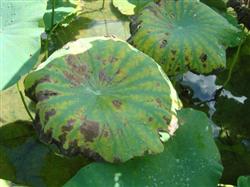
Occurrence Patterns and Control Methods of Lotus Root Brown Spot Disease
Brown spot disease is a major disease of lotus root, widely distributed, and can occur in spring, summer, and autumn. Generally, diseased plants account for 30%-50%, and in severe cases, the incidence rate can reach over 80%, significantly affecting lotus root yield and quality. 1. Symptoms This disease mainly affects the leaves and leaf stalks of lotus root. In the early stage of leaf infection, small brownish-green...
-
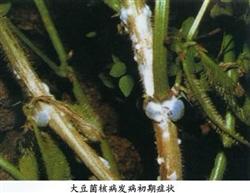
Occurrence Patterns and Control Methods of Soybean Sclerotinia Stem Rot
Soybean Sclerotinia stem rot is a common disease on soybean crops, mainly causing stalk rot, with pale white lesions, hollow stems containing black sclerotia, and easy breakage. In the past two years, soybean Sclerotinia stem rot has shown a trend of increasing severity year by year. Causes and characteristics: 1. Large number of sclerotia in the field. The pathogen of soybean Sclerotinia stem rot is a fungus...
-
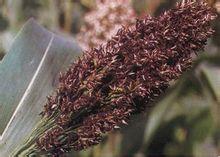
Occurrence Patterns and Control Methods of Sorghum Head Smut
As the sorghum planting area continues to expand and the planting years lengthen, the damage caused by sorghum head smut is becoming increasingly serious, directly affecting the development of sorghum production. I. Degree of damage: In the early 1990s, sorghum head smut occurred only sporadically in a few local areas of the county. By 2000, the affected area in individual townships was about 43 hectares, with a diseased plant rate of 15%, while other planting areas had only mild occurrence. According to a 2004 survey, the affected area in the county was 800 hectares, accounting for 34% of the total sorghum sown area, with an average diseased plant rate of 20.5% in affected fields; in 2005, the affected area in the county was 1333 hectares, accounting for 67% of the total sorghum sown area, with an average diseased plant rate of 31.2% in affected fields. In the sorghum planting area of the Second Brigade of Biesituobie Township, the diseased plant rate reached 70.5%, with a severity of 70%.
-
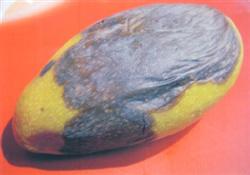
Occurrence Patterns and Control Methods of Mango Anthracnose
1. Damage symptoms: It mainly damages mango flowers, fruit, and tender shoots. After tender leaves are infected, many small round brown spots appear, surrounded by a yellow halo, and they gradually expand into round, polygonal, or irregular brown lesions, which later rupture and perforate. Wounds on leaves and young fruit caused by gall midges, leafhoppers, and other pests are also easily infected by this disease. Severely infected...
-
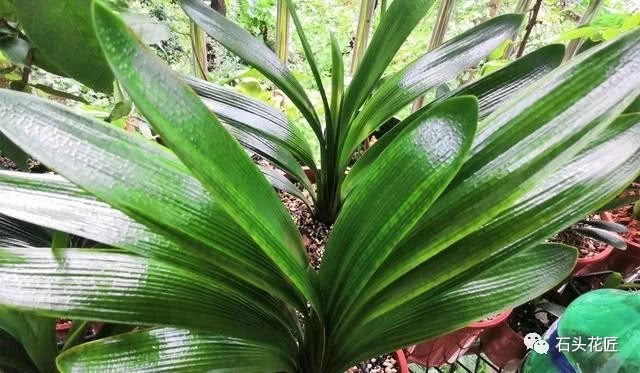
Growing Clivias in September: Feed Them This Once a Week, and in 30 Days They'll Grow Grid-Patterned Leaves and Shoot Up Flower Spikes When Winter Comes
As people's living standards rise and living conditions improve, more and more people are paying attention to healthy living and good health. So many people hope that the environment they live in can become healthy and cozy, and they keep some...
条件筛选