-
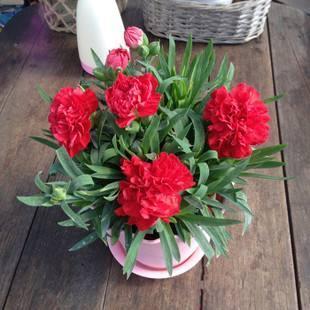
How to care for potted carnations? Master these care essentials
Image source: Internet. Carnations (Dianthus caryophyllus) are plants of the genus Dianthus in the family Caryophyllaceae; people in Shanghai mostly call them xiangshizhu (fragrant Dianthus). They originated in the Mediterranean region and are one of the most widely used flowers in the world today. Carnations include many varieties and hybrids, ...
-
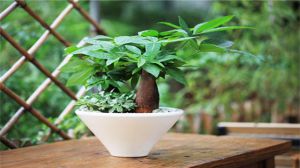
How to grow a money tree? Master these methods for lush branches and leaves
To grow a money tree, you need to give it soft, breathable, nutrient-rich, well-draining, slightly acidic potting soil, a temperature above 20°C, plenty of light, and a moderate amount of water. In addition, watch out for root rot, scale insects, and leaf blight. If you want to propagate it, you can use seeding or cuttings.
-
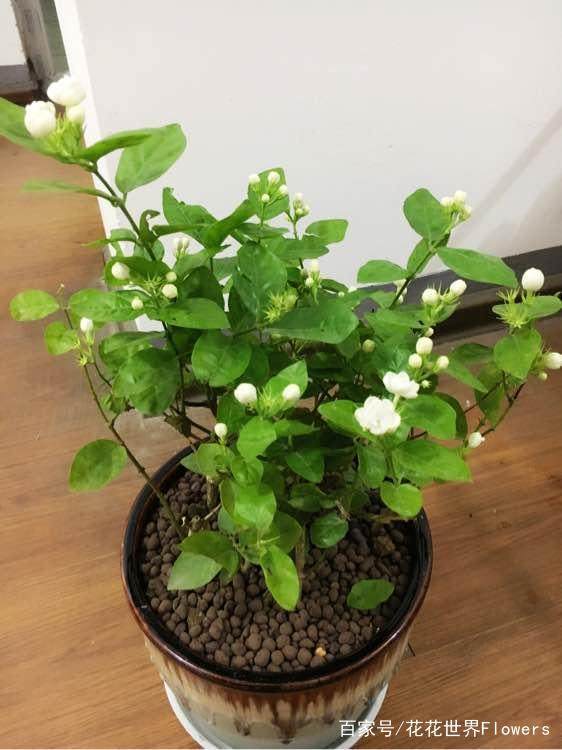
Grow potted jasmine at home: master these four points and it will easily burst into full bloom
Potted jasmine has emerald-green leaves and flowers like stars, small and delicate, with a pleasant fresh fragrance, making it very popular among flower lovers. But in everyday cultivation, improper care can lead to problems such as jasmine not blooming, blooming sparsely, dropping buds, flowers fading early, and weak fragrance...
-

Methods for Mastering Pictorial Meaning and Pictorial Principle in Painting Creation
The "beautiful as a painting" characteristic: "The scene imitates the Yinghu, naturally like a painting." The interconnection of gardens and painting, and the incorporation of painting into gardens, is one of the characteristics of classical Chinese gardens. In "The Craft of Gardens," Ji Cheng put forward the garden-making idea of "the scene imitates the Yinghu, naturally like a painting," advocating...
-
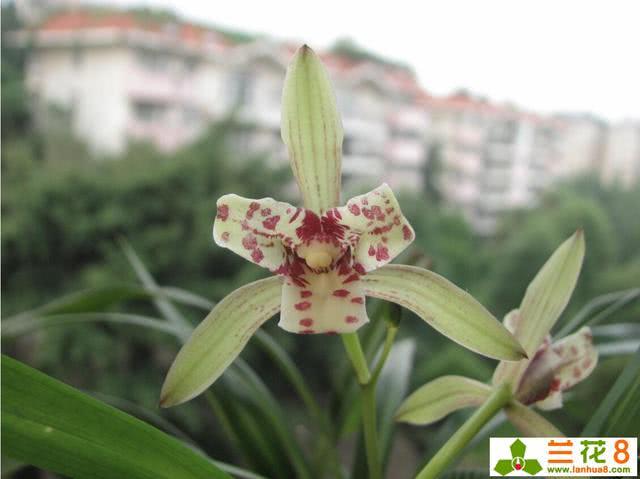
Detailed experience on watering orchids, master the correct method
For a long time I've only been reading and not saying much. The more I buy, the less I say; the more I see, the less I say; the more I think, the less I say too. Hehe, I feel like I'm not even qualified to be a new orchid enthusiast anymore. Every now and then I think of a topic, so I'll post it again to share and...
-
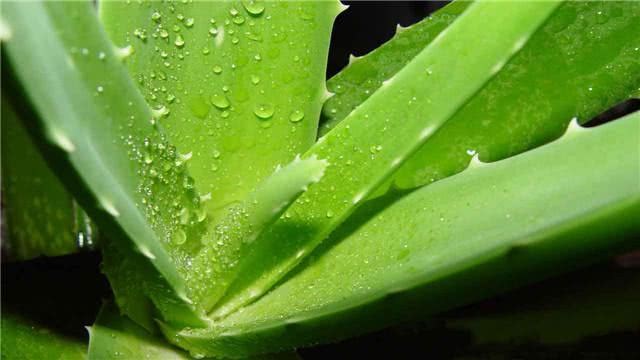
How to grow aloe vera? Master these few tricks and easily fill a pot
Soil: Aloe vera prefers soil with good drainage and high nutrient content. Light: In spring and autumn, give it plenty of sun; in summer, take measures to shade it; in winter, place it indoors in a sunny spot. Water: Normally it does not need much watering...
-
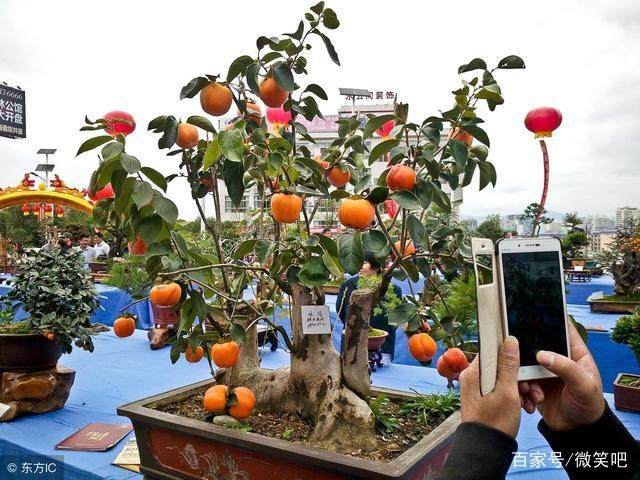
All the fruit tree bonsai cultivation techniques are taught to you, easily master bonsai knowledge
Fruit tree bonsai has both the characteristics of fruit and fruit. It not only lets people appreciate the shape, but also lets people eat the fruit; with fruit pairing, fruit molding, and fruit, it can be called a good plant for the home. Fruit tree bonsai four times a year has no elegant value; in spring the flowers are small, in summer the branches are lush, in spring the fruit is abundant, in summer it stands firm, and the flavor is rich. Our country's fruit trees are very rich. Various wild fruit trees and their rootstocks can be used in mountainous areas, and bonsai with exotic characteristics can also be developed according to local conditions. Fruit tree varieties are single, seeds can be collected on the spot, production is easy, handling is easy, and investment is low.
-
How do you repot a rubber plant? Master the correct repotting methods and steps
The best time to repot is in mid-to-late March, when its new buds have not yet emerged. The specific procedure is to first take the plant out of its original pot, then place a layer of soil at the bottom of the new pot, put the plant in, and add new soil around it. After that, water it and place it in a shady spot. In about four or five days, new leaves will grow, which means the roots have successfully adjusted, and you can begin normal care.
-
How to repot a jade plant (Portulacaria afra)? Master these few tips and you are all set
A jade plant needs repotting once every one or two years. The pot bottom must have drainage holes, and one third of the soil around the roots should be kept. After repotting, the plant is in a recovery period, so do not water it right away and do not expose it to direct sunlight; after one or two weeks you can care for it normally.
-
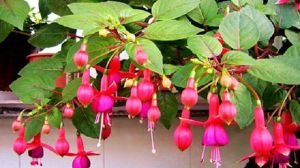
How to repot a fuchsia? Mastering the correct method is key
The best time to repot is in spring or autumn before the buds sprout. The choice of substrate should follow basic requirements such as fertility and looseness. You can use leaf mold mixed with sandy loam, and you can mix in some organic fertilizer and phosphorus fertilizer. Right after repotting, the plant needs a period of recovery. Begin normal fertilizing, and place it in a spot with plenty of light.
条件筛选