-
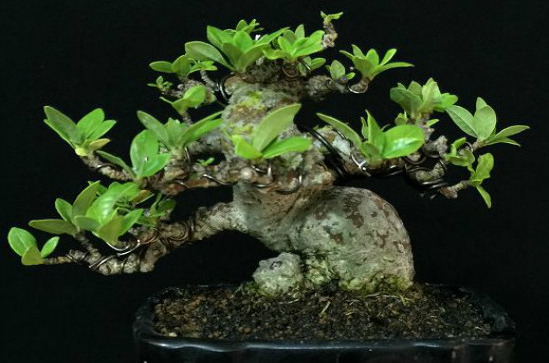
A Complete Guide to Growing Dwarf Gardenia: Even Beginners Can Learn
1. Soil. Dwarf gardenia is usually grown in pots for ornamental display, so the potting soil is very important when growing it. Dwarf gardenia is suited to loose, well-drained, slightly acidic soil, so when growing it you can choose leaf mold or fertile peat soil for planting. 2. Light
-

How to grow Japanese late cherry? A complete guide to care methods
Timing: Cuttings of Japanese late cherry can be taken from April to July, because this is the full bloom period of the cherry, when the survival rate of cuttings is highest, and the plant is in the peak of physiological activity, making rooting easy. Selection of cuttings: we generally cut 15 cm-long branches from robust mother trees.
-
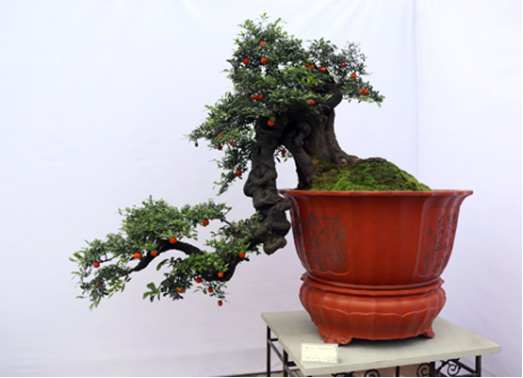
Care Methods and Precautions for the Golden Bullet Tree (Diospyros armata)
Placement: The Golden Bullet Tree likes warmth and humidity, so it is best placed in a spot with plenty of sunlight. In summer it can be given a little shade, and in winter it needs to be brought indoors. When watering, the potting soil must always be kept moist and must not dry out. When temperatures are high, besides providing appropriate shade, it should also be sprayed with water frequently. Fertilizing: during the growing season, it should be fertilized regularly.
-
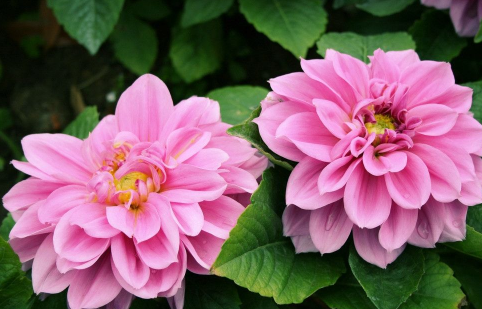
How to grow dahlias? A complete guide to cultivation methods
1. Soil: For cultivating dahlias, it is best to use a loose, breathable, well-draining sandy soil, which can be prepared from leaf mold, sand, and garden soil. 2. Light: Dahlias prefer sunlight and need ample light, and can receive more than 6 hours of light, so the flowers grow more brilliantly colored. 3. Water: Dahlias need a large amount of water during the growing season
-
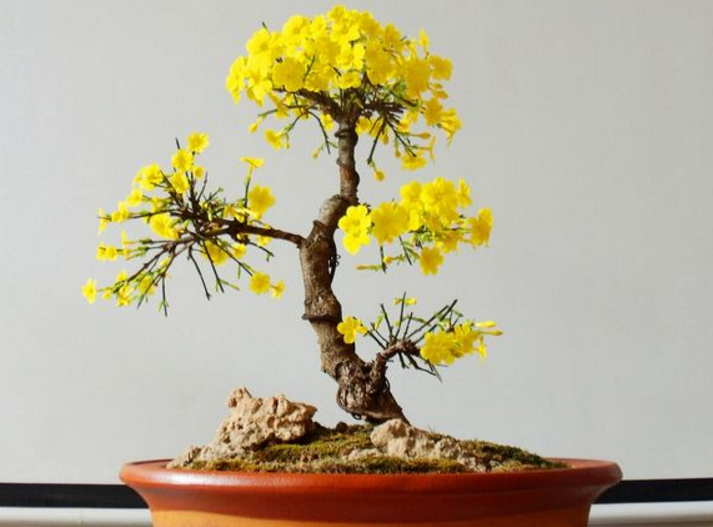
A Complete Guide to Making Winter Jasmine Bonsai
Choosing the pot: Material and color: For winter jasmine bonsai, a purple clay ceramic pot or glazed ceramic pot in a medium-to-deep color is usually chosen. To set off the flower color of winter jasmine, a darker-colored pot is usually selected, such as dark blue, brown, or purplish red. Shape: The shape of the pot is determined by the styling of the winter jasmine; generally a round or square pot is chosen.
-
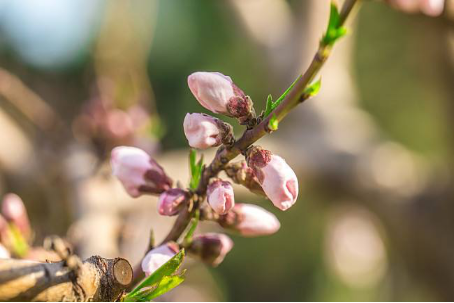
How to make a peach blossom bonsai? A complete step-by-step guide
When making an ornamental peach blossom bonsai, the first thing is styling: prune rationally according to the plant's growth so the branches are distinct in their twists and turns, and promptly remove messy branches to keep the bonsai looking attractive. Shaping is also essential, and you can add small accessories on the pot surface as needed
-
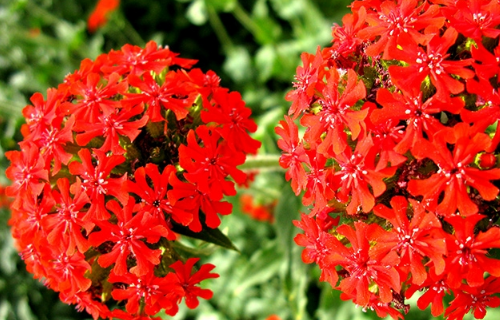
How to grow Lychnis coronaria? Let me teach you the correct cultivation methods.
Soil: Lychnis coronaria is not very demanding about soil in cultivation; as long as the soil is loose, breathable, and well-draining, it is fine. This soil can either be mixed yourself or you can buy soil specially for Lychnis coronaria from a flower shop. Light: Lychnis coronaria loves sunlight very much, and it is also fairly shade-tolerant.
-
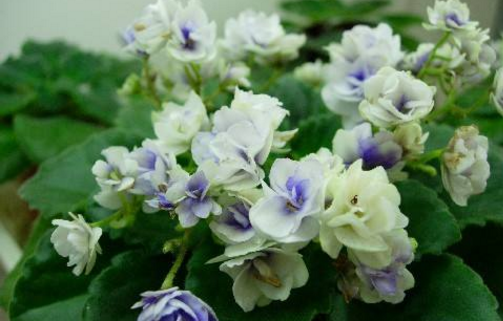
How to grow and care for African violets
Temperature African violets very much like to grow in a warm environment. Their optimal growing temperature is between 16-24°C; from April to October the temperature should be kept between 18-24°C, while from October to April of the following year it should be maintained between 12-16°C. African violets do not like hot weather
-
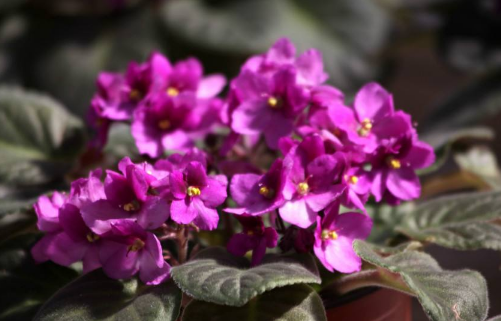
A Detailed Guide to Growing African Violets from Seed
Sowing time: either spring or autumn works; for greenhouse cultivation, autumn sowing in September to October gives a higher germination rate. Soil: African violet seeds are very small, so the potting soil for sowing must also be fine; after sowing, do not cover with soil, just press flat. Temperature: the optimal growing temperature for African violets is about 18-26°C
-
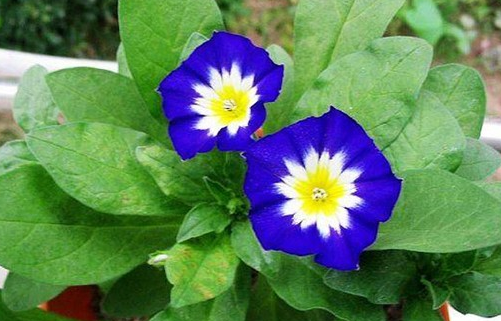
How to grow Convolvulus tricolor? A complete guide to cultivation techniques
I. Growing environment This plant is generally grown as an annual and is mostly prostrate. Because of its appearance and habits, it is very suitable as a decoration for fences, or for covering slopes. In addition, railings and supports are also good choices. If you like, it can also be transplanted into flower pots, used as a potted plant or as a decoration for flower beds
条件筛选