-
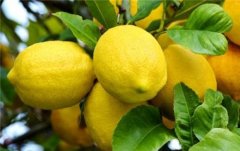
Introduction to potted lemon growing methods: do the seeds really need acidic soil?
When you eat a lemon, you can save the seeds and grow them yourself. Even during the cold months, a productive lemon tree can grow in your home. They look beautiful, from deep green leaves to snow-white flowers, and they also give off a pleasant
-
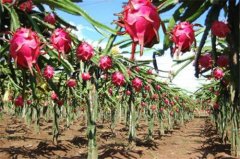
When Is the Dragon Fruit Season? A Detailed Look at Yield and What Makes It Unique
Red dragon fruit is very popular now. Compared with white-fleshed dragon fruit, red-fleshed dragon fruit is even more popular, because its color makes people want to eat it and its taste is sweet and fragrant. Now let us take a look at the Red Dragon Fruit Quality Fruit Evaluation Event! The one that red dragon fruit growers nationwide value most
-

What soil should be used for potted cacti, and how should they be watered?
We all know the cactus plant, and nowadays many people like to grow potted cacti, but do you know how to grow potted cacti? As a potted plant, the cactus is clearly different from most potted plants. Most potted plants come from tropical rainforests and like
-
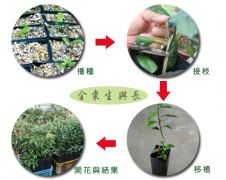
How to Propagate a Kumquat Tree? A Detailed Guide to Its Lifespan and Flowering Times
Kumquat, you must have eaten this fruit before, but did you know it has another name you might not know, "golden jujube"? Is the kumquat grown the same way as oranges? Let's take a look! "Golden jujube" is the affectionate nickname people in Yilan use for the kumquat (Kumqat)
-
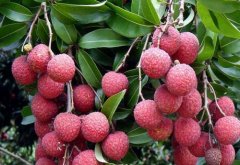
Rational Fertilization Methods for Lychee Orchards and Factors to Consider
Lychee cultivation is fairly widespread, and many regions have lychee orchards. So how should rational fertilization in lychee orchards be carried out, and what issues need to be considered? Let's take a look together! Rational fertilization in lychee orchards must take the following factors into consideration.
-
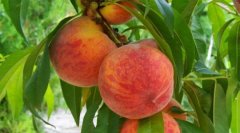
Key Points and Precautions for Organic Peach Tree Cultivation
Fruit trees are perennial crops. After planting, their growing period lasts at least several years, and at most fifty years. Therefore, the quality of environmental conditions is closely related to fruit tree cultivation. The environment for fruit tree cultivation broadly relates to climate (temperature, rainfall, sunlight, wind), soil (moisture, aeration,
-
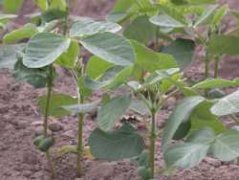
Golden Taro Edamame Tainan Select No. 1: Performance and Advantages of a New Edamame Variety from Taiwan, China
Do you know the new edamame variety Golden Taro Edamame Tainan Select No. 1? This soybean variety is different from other soybeans, and also different from hyacinth bean cultivation. Let's take a look! Edamame Tainan Select No. 1 was bred by the Tainan District Agricultural Improvement Station in cooperation with the Asian Vegetable Research and Development Center.
-
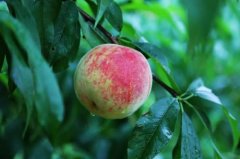
When is the best time to bag peaches? Detailed explanation of fruit thinning and pinching methods
Bagging peaches can be discussed in several parts, and I hope it will help farmer friends who grow peaches. Let's take a look together! 1. Central region: because the cold snap each winter differs, the bagging time also differs slightly. (Generally, the time for pruning peach branches. The older generation taught me that it is within 10 days before and after the winter solstice, that is, from December 12 to January 2 of the following year.) February 24, 2009. In 2010 it was February 26. In 2011 it was March 10. It changes a little almost every year.
-
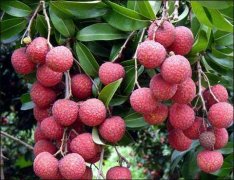
Detailed Guide to Lychee Pruning Techniques: How to Prune and Control Winter Shoot Growth
Lychee Cultivation Techniques: What does the basic framework pruning of a lychee tree look like, and how should it be pruned for better results? Would you like to find out? Then let us take a look together! Basic Framework Pruning. The framework of a lychee tree consists of the trunk, main branches, sub-main branches and lateral branches. At 50 cm above the ground on the trunk, begin to train 3~4 main branches, with the main branches forming an angle of about 80 degrees to the horizontal. On each main branch, train 2~3 sub-main branches; the sub-main branches should be attached at an angle of about 10~20 degrees to the horizontal, and the distance between sub-main branches should preferably be about 50 cm. Sub-main branches on different main branches should not cross each other, and sub-main branches on the same main branch should not be retained in the same direction. On each sub-main branch, train 3 lateral branches.
-
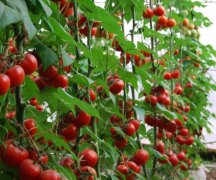
Tomato Growing Methods and Tips: Why the Bottom Turns Black and Planting Precautions
How should tomatoes be grown? Why does the bottom of a tomato turn black? What are the planting precautions and tips? Want to find out? Then let's take a look together! Tomato Growing Methods The tomato, which is both a vegetable and a fruit, is a produce many people love, and it has an extremely large number of varieties, so here is a brief
条件筛选