-
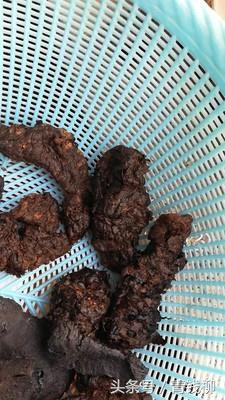
Key Techniques for High-Yield Cultivation of Rehmannia with Full Plastic Film Mulching and Ridge Planting
Key Techniques for High-Yield Cultivation of Rehmannia with Full Plastic Film Mulching and Ridge Planting. Rehmannia (Rehmannia glutinosa), also known as Shengdi, Jiuhuhua, Shanyangen, etc., is a perennial herbaceous medicinal plant of the family Scrophulariaceae, with a plant height of 10-30 cm. The stem and leaf surfaces are densely covered with grayish-white multicellular long villi and glandular hairs. The rhizome is fleshy...
-
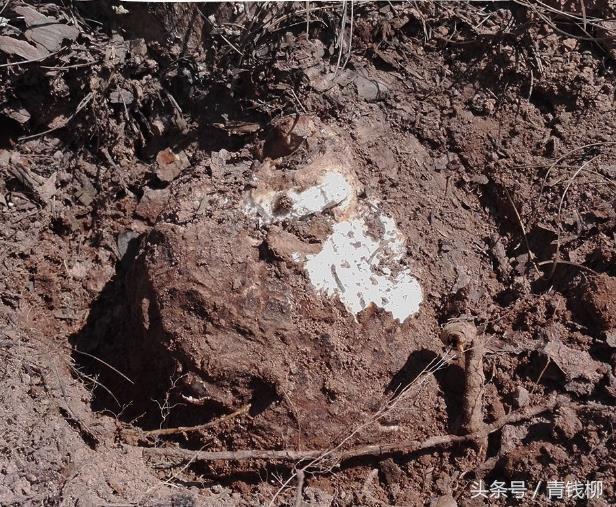
How to Grow Poria for High Yield? Detailed Cultivation Techniques in the Dabie Mountain Area
High-Yield Cultivation Techniques for Poria in the Dabie Mountain Area Poria, also known as Yunling and Songling, is a fungal plant that parasitizes on dried pine wood covered by soil. It belongs to the kingdom Fungi, phylum Basidiomycota, class Agaricomycetes, order Polyporales, family Polyporaceae, genus Poria. It is widely distributed in Anhui, Fu...
-
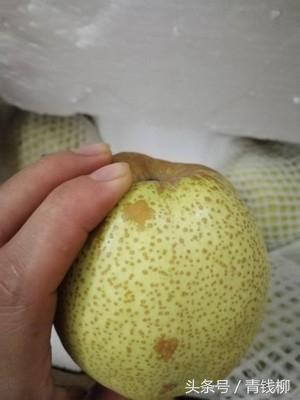
Performance of Cuilü Pear Top-Grafted onto Dangshan Suli Pear and Its High-Yield Cultivation Techniques
Performance of Cuilü Pear Top-Grafted onto Dangshan Suli Pear and Its High-Yield Cultivation Techniques. The Yellow River Old Course Horticultural Farm in Xiao County, Anhui Province, is located at the border between northern Anhui and Xuzhou, Jiangsu. The main pear cultivars grown are mid-to-late ripening varieties such as Dangshan Suli, Fengshui and Huangjin. The Yellow River Old Course...
-
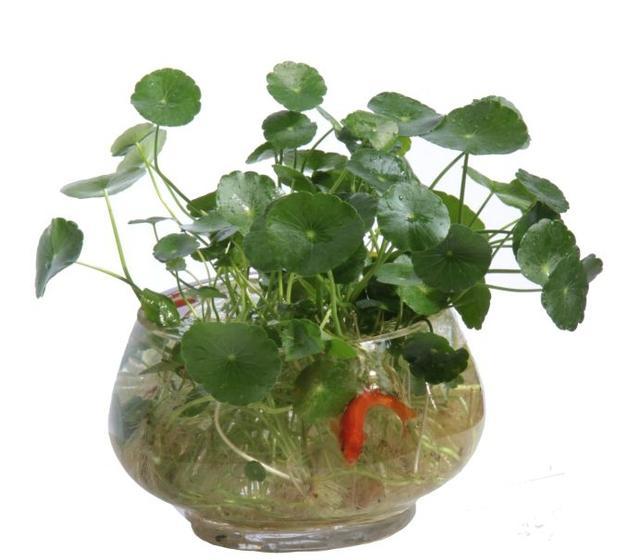
High-appeal hydroponic plants: enjoy the flowers, the leaves, and even the roots
They say women are made of water, but plants are the ones truly made of it. Flowers grown in "plain water" are stunning too. Hydroponic plants let you admire not only their beautiful branches, leaves and flowers, but also their snow-white...
-
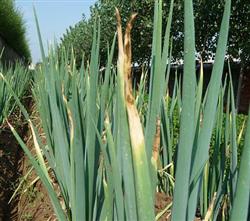
How should green onions be fertilized for high quality and high yield?
Cause: Green onion root rot has symptoms similar to waterlogging root rot and is a fungal disease. It is a disease caused by infection with multiple pathogens such as Pythium, Fusarium, and Phytophthora. The pathogen overwinters in the soil or on diseased residues and becomes the main primary infection source the following year. The pathogen invades through wounds on the root crown or roots, and enters through rainwater or irrigation water...
-
For good quality and high yield in Welsh onions, reducing nitrogen and increasing potassium fertilization is key
In recent years, in order to increase Welsh onion yields, many vegetable growers have blindly increased the use of chemical fertilizers, especially nitrogen fertilizers. According to surveys, on average, pure nitrogen applied to Welsh onions per mu is as high as 40-50 kg, and phosphorus pentoxide 10-15 kg, while potassium fertilizer is applied very little or not at all, resulting in Welsh onion yields not increasing but decreasing, and root rot becoming more severe...
-
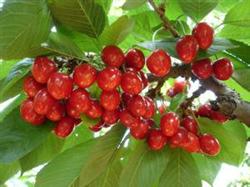
Detailed Explanation of High-Yield and Efficient Cultivation Techniques for Sweet Cherry
Jinzhou District is located at the southern tip of the Liaodong Peninsula, with an average annual temperature of 10-12°C, annual sunshine of 2505.5h, annual precipitation of 500-700mm, and a frost-free period of about 180d. It is mostly hilly and gently sloping terrain, with loose soil and moderate permeability, suitable for the growth and development of sweet cherry, and has a long history of cultivation. However, before 1998, due to a single variety and backward technology...
-
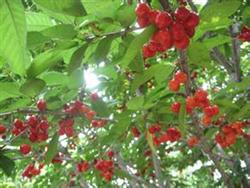
Key Technical Points for Early, High-Yield and Efficient Cultivation of Sweet Cherry
1. Selection of Orchard Site Based on the characteristics of sweet cherry, such as drought tolerance, poor waterlogging tolerance, poor cold tolerance, poor saline-alkali tolerance, and shallow root system, the sweet cherry orchard site should be selected in areas with deep soil layers, loose loam or sandy loam soil, low groundwater level, no water accumulation, good drainage and irrigation conditions, and not prone to wind damage. In areas with high groundwater level, overly heavy soil...
-
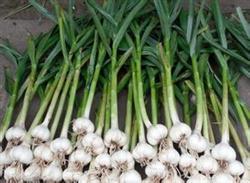
Understand the fertilizer requirements of garlic to grow high-yielding garlic
Garlic is a bulb crop with a high fertilizer demand that is also fairly tolerant of fertilizer. It is suitable for cultivation in sandy loam soil rich in organic matter, with a loose and fertile topsoil, comprehensive nutrition, and good water and fertilizer retention and aeration. According to research: for every 1000 kg of fresh garlic produced, 4.5-5 kg of nitrogen, 1.1-1.3 kg of phosphorus, and 4.1-4.7 kg of potassium are required, with a ratio of 3:1...
-
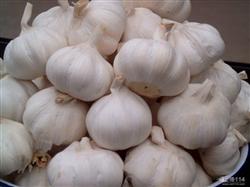
How to fertilize garlic for high yields? Understanding its nutrient requirements is key
Garlic is a bulb crop with a high nutrient demand and relatively good tolerance for fertilizer. It is suited to cultivation in sandy loam soil rich in organic matter, with a loose and fertile topsoil, comprehensive nutrition, and good water- and fertilizer-holding capacity and aeration. According to research: for every 1000 kg of fresh garlic produced, 4.5-5 kg of nitrogen, 1.1-1.3 kg of phosphorus, and 4.1-4.7 kg of potassium are required, in a ratio of 3...
条件筛选