-
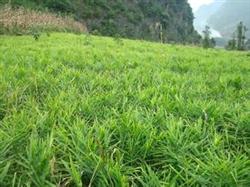
Detailed Explanation of High-Yield Formula Fertilization Techniques for Ginger
Ginger has a long growth period and a high fertilizer requirement. Under medium fertility conditions, to produce 2500 kg of ginger per mu, 25-40 kg of nitrogen, 10-22 kg of phosphorus (P2O5), and 30-50 kg of potassium (K2O) are needed. The absorption ratio of nitrogen, phosphorus, and potassium is 11:1:16 or 1:0.5:2. In addition, calcium, magnesium, boron, zinc, iron, and other medium and trace...
-
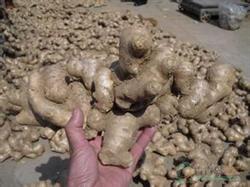
Detailed explanation of ginger storage techniques, master the correct storage method
Ginger is a perennial herbaceous plant of the Zingiberaceae family. It is not only a commonly used traditional Chinese medicinal material, but also an important export vegetable for earning foreign exchange in our country. Because ginger has a wide range of uses and a large demand, and because it prefers warmth and fears cold, and prefers moisture and fears dryness, doing a good job in ginger storage and preservation is especially important. 1. Before storage...
-
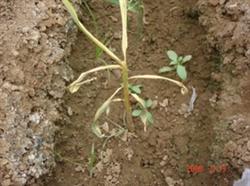
How to prevent and control ginger pests and diseases? A full analysis of practical techniques
(1) Ginger blast 1. Pathogen: a bacterial disease, Ralstonia solanacearum. 2. Symptoms of diseased plants: leaves first droop and lose their luster, then turn withered yellow from bottom to top, and finally die. The stem first becomes water-soaked at the base, turns yellow, dies, and breaks off at the base and falls over. The rhizome is water-soaked, turns brown and rots, and when squeezed a white juice flows out with a foul odor.
-
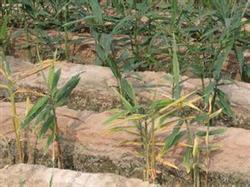
Effective control methods for ginger stem base rot
In recent years, with the continuous expansion of continuous ginger cropping areas, combined with extensive field management, ginger diseases have also shown a worsening trend, especially since June, due to high temperatures and frequent rain, ginger stem base rot is most likely to occur. Recently, Li Hualiang and Lu Changlei from Renzhao Town, Pingdu City, Shandong Province, and Yu Wanquan from Ju County and others reported that in their area...
-
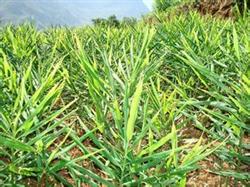
Detailed Guide to Harvesting and Seed-Saving Methods for Ginger
Ginger harvesting, based on the intended product use, is divided into seed ginger harvest, young ginger harvest, and mature ginger harvest. Seed ginger is generally harvested in late June, when the seedlings have 4-5 leaves; carefully loosen the soil and gently snap the connection between the seed ginger and the new ginger to remove the seed ginger. If harvested too late, digging damages too many roots, affecting the continued growth and...
-
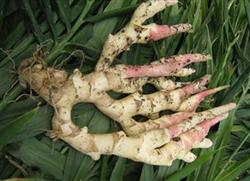
Key Management Techniques for High-Quality and High-Yield Ginger
1. Site selection: Choose sandy soil with deep, loose, fertile soil and convenient irrigation and drainage for planting; avoid continuous cropping. 2. Land preparation and basal fertilizer application: Before sowing, apply 1000-1500 kg of farmyard manure, 50 kg of calcium magnesium phosphate fertilizer, and 20 kg of compound fertilizer per mu as basal fertilizer, then plow and harrow thoroughly. Divide into beds and open furrows, each bed 1...
-
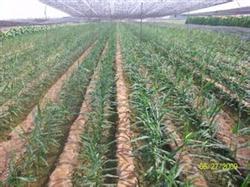
How to Grow Ginger in Northern China for High Yields? A Detailed Guide to Cultivation and Management Techniques
I. Pre-planting Preparation 1. Fine soil preparation and adequate basal fertilizer. It is advisable to choose a plot with fertile soil, good irrigation conditions, and no ginger blast disease, and to avoid continuous cropping as much as possible. On the basis of winter ploughing, carry out fine soil preparation early in spring, so that the soil is free of visible and hidden clods, loose on top and firm below. Increase the application of organic fertilizer, using high-quality chicken manure, manure from livestock pens free of diseased residues, cake fertilizer, and plant ash in combination; along with soil preparation, broadcast 4 cubic meters of high-quality decomposed chicken manure or 5000-10000 kg of high-quality pen manure as basal fertilizer. In high-fertility and high-water plots, open furrows at a row spacing of 60-65 cm ready for sowing, and apply 100 kg of soybean cake, 50 kg of ternary compound fertilizer, 50 kg of potassium sulfate, 2 kg of zinc fertilizer, and 1 kg of boron fertilizer in the furrows as seed fertilizer.
-

When ginger enters the enlargement period, these management points must be mastered
Management points during the ginger enlargement period
-
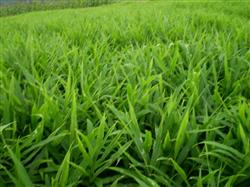
Full-process fertilization technical guide for ginger cultivation
Ginger is an indispensable vegetable variety in daily life. Since this year, supply has been tight, prices have been relatively high, and returns have been good. 1. Plot selection. Ginger should not be grown continuously; it should be rotated with rice, cruciferous vegetables, and leguminous plants. Ginger has a long growth period and is not tolerant of strong light. In the early stage, it can be intercropped with spring-sown crops or vegetables, and in the later stage...
-
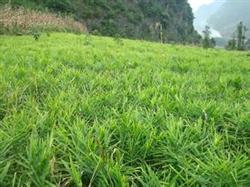
Intercropping and Relay Cropping Technique for Lettuce, Ginger, Watermelon and Bok Choy
1. Topdressing: generally 2 to 3 times. The first is in early to mid-June, applying 1000 kg of barnyard manure plus 15 kg of urea per mu between the rows, covered with a thin layer of soil. The second is in early to mid-July after the mother ginger is dug, applying 150 kg of decomposed rapeseed cake or 30 kg of compound fertilizer per mu; the third is in early September after the frame is removed, applying another dose of human excrement and urine to prevent nutrient deficiency...
条件筛选