Intercropping and Relay Cropping Technique for Lettuce, Ginger, Watermelon and Bok Choy
1. Topdressing: generally 2 to 3 times. The first is in early to mid-June, applying 1000 kg of barnyard manure plus 15 kg of urea per mu between the rows, covered with a thin layer of soil. The second is in early to mid-July after the mother ginger is dug, applying 150 kg of decomposed rapeseed cake or 30 kg of compound fertilizer per mu; the third is in early September after the frame is removed, applying another dose of human excrement and urine to prevent nutrient deficiency...
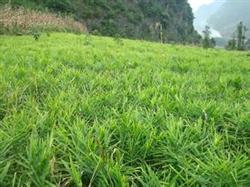 In recent years, farmers in Hebei Village, Dayi Town, Yizheng City have adopted an intercropping and relay cropping pattern of lettuce, ginger, watermelon and bok choy, generally achieving yields of 2000 kg of lettuce, 2000 kg of ginger, 1500 kg of watermelon and 500 kg of bok choy per mu, with remarkable economic benefits. The cultivation techniques are described below:
I. Planting Layout
The net width of the bed is 2.7 m, with a ditch width of 30 cm. In mid-November, lettuce is transplanted at a spacing of 25 cm × 30 cm, with about 9000 plants per mu. The lettuce harvest is completed in late April of the following year. In early May, 2 rows of ginger are planted on each side of the bed at a spacing of 18 cm × 45 cm, with about 4000 plants per mu; at the same time, 1 row of watermelon is transplanted in the empty strip in the middle of each bed at a spacing of 55 cm, with about 500 plants per mu. In mid-August, bok choy is sown in the strip vacated by the watermelon.
II. Key Cultivation Points
1. For lettuce, choose high-yielding, high-quality pointed-leaf varieties. Before transplanting, apply 2000 kg of decomposed manure and 30 kg of high-efficiency BB fertilizer per mu as base fertilizer, incorporated during plowing. Sow seeds in the open field for seedlings in mid-October. Transplant in mid-November, and water thoroughly after transplanting to settle the roots. After the plants are established, apply 1 topdressing of dilute human excrement and urine. In mid-December, apply 15 kg of urea per mu, combined with loosening the soil and earthing up around the roots, to keep the seedlings safe through winter. The harvest is completed in late April of the following year.
2. For ginger, choose the high-yielding, high-quality Shandong Laiwu Large Ginger variety. When preparing the land, apply 5000 kg of decomposed manure, 30 kg of superphosphate, 10 kg of potassium chloride and 15 kg of urea per mu as base fertilizer. In late April, sprout the seeds on a hotbed, and sow in furrows in early May. After emergence, apply 750 kg of dilute human excrement and urine per mu. After the aboveground stems have reached a fixed length, apply 10 to 15 kg of urea per mu by deep application to promote rhizome expansion. Harvest in late October when the stems and leaves turn yellow and wither.
3. For watermelon, choose the early-maturing, high-quality Sumi No. 1 watermelon variety. In early April, raise seedlings in nutrient pots covered with plastic film. Transplant in early May when the seedlings are about 30 days old; apply sufficient base fertilizer before transplanting and water thoroughly after transplanting to settle the roots. Ten days after transplanting, apply 500 kg of dilute human excrement and urine per mu to promote plant growth and vine development. When the main vine of the watermelon seedling reaches 50 cm, arrange the vines, press them down and carry out pruning and removal of side shoots. When the watermelons are the size of eggs, apply 5 to 20 kg of urea per mu. The harvest is completed by the end of July.
4. For bok choy, choose high-yielding, high-quality varieties such as Yangzhou Qing. Water after sowing, striving for full emergence from a single sowing. During the growth period of bok choy, pay attention to controlling cabbage caterpillars, flea beetles and other pests. The harvest is completed in late October.