-

Zhengzhou-grown Hami melons leave Xinjiang Hami melons with no face to show?
Chan Xiaomei made several visits to the Hami melon planting base of the Zhengzhou Melon and Fruit Research Institute of the Chinese Academy of Sciences in Zhangzhuang, Dawei Town, Xinmi, Henan. After more than half a year of tracking and...
-
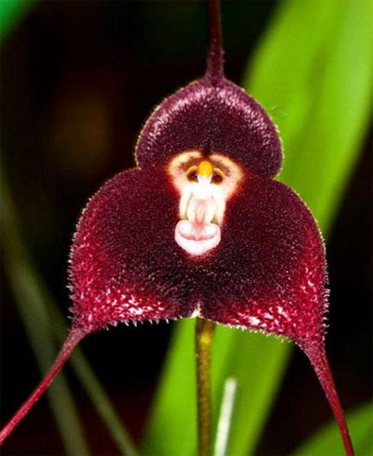
Monkey Face Orchid Care Guide and Propagation, Price Explained
The Monkey Face Orchid really does look like a monkey, complete with a monkey's tail. Keeping one at home is like having a mischievous little animal in the house. So what are the care and propagation methods for the Monkey Face Orchid? And how much does it cost? Monkey Face Orchid care: choosing the potting mix
-
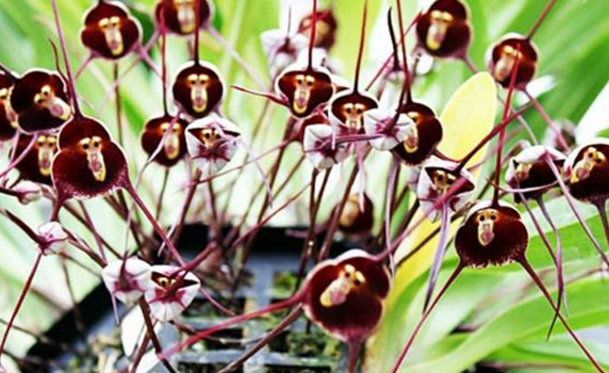
Monkey Face Orchid Division Precautions and Common Pest Control Methods
There are four propagation methods for the Monkey Face Orchid: seed sowing, division, tissue culture, and sterile propagation. Tissue culture and sterile propagation have somewhat higher requirements, so ordinary hobbyists do not use them, and seed sowing takes a long time to wait, so what hobbyists commonly use is the division method
-
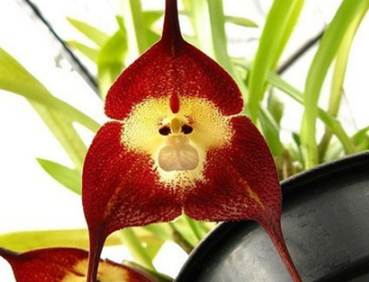
Monkey Face Orchid (Dracula simia) Growing Methods and Main Value
The Monkey Face Orchid, also called the monkey-faced orchid, is another masterpiece of nature's uncanny workmanship. It not only resembles our senior brother Sun Wukong, but also has a faint floral fragrance, making people really want to get a pot and admire it every day! Monkey Face Orchid Growing Methods Monkey Face Orchid
-

How to water petunias? Water when the soil surface turns pale, and never let water accumulate
When growing petunias, water affects how fast they grow and can even affect their health. If the soil is too wet, the roots will rot and age, while if it is too dry, the roots will not develop well, so watering must be done properly. So how do you water petunias? Let me tell you the watering techniques
-
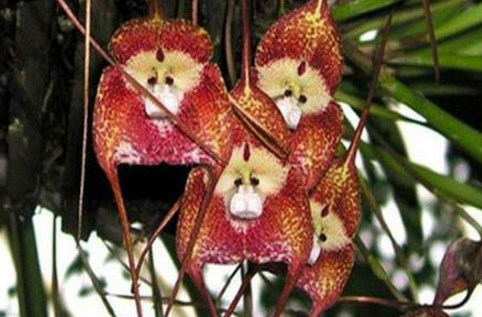
What are the propagation methods for the monkey-face orchid (Dracula simia)?
Propagation by seed: The monkey-face orchid can self-pollinate, but its seeds scatter easily, so they should be collected in time. The seeds of the monkey-face orchid are tiny and can be raised in flat trays without covering with soil; they need plenty of sunlight and generally sprout in about one month. Seedlings do not need frequent watering; keeping the medium moist is enough.
-

-
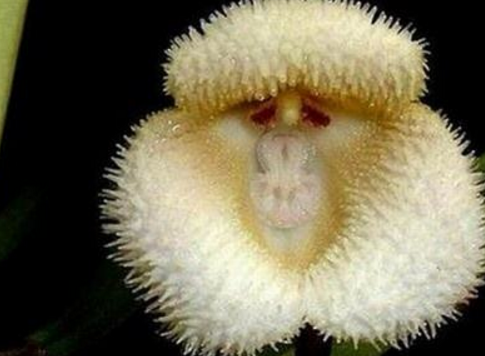
A Detailed Guide to Disease and Pest Control for the Monkey Face Orchid
1. Wilt disease Symptoms: Wilt disease occurs mostly in hot, humid seasons; the leaves turn yellow and wither, which is very detrimental to plant growth. Control method: Promptly prune away diseased leaves, do not let the plant become too damp, and you may choose 25% propiconazole emulsifiable concentrate at 2000 times dilution to spray the base or drench the roots.
-
-
条件筛选