How to water petunias? Water when the soil surface turns pale, and never let water accumulate
When growing petunias, water affects how fast they grow and can even affect their health. If the soil is too wet, the roots will rot and age, while if it is too dry, the roots will not develop well, so watering must be done properly. So how do you water petunias? Let me tell you the watering techniques.
How to water petunias
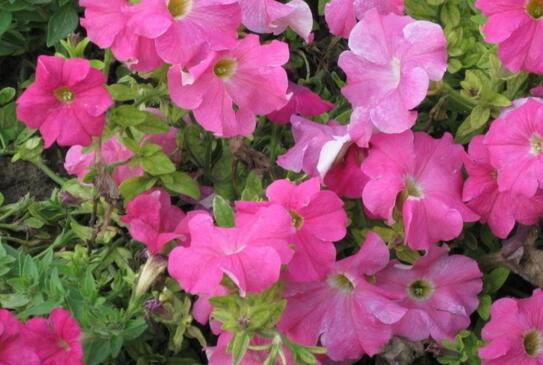
Before introducing the watering method, we need to first clarify the water requirements in the petunia's growth habits. First, it likes a moist environment, but it is rather afraid of waterlogged conditions, so during the rainy season, drainage and waterlogging prevention must be done well. Watering must not cause water accumulation, and the watering method stresses not watering when dry and watering thoroughly when you do.
How often to water petunias
1. Seedling stage
When propagating by sowing, you need to water thoroughly after sowing the seeds, and then no further watering is needed. If the soil is relatively dry, you can spray water. After the seedlings grow true leaves, water moderately. Be sure the humidity is not too high, otherwise root growth will be hindered.
2. Growth stage
Petunias have a relatively high demand for water, but to prevent the soil from being too wet, you cannot water frequently during the growth stage. So how do you water petunias at this time? Generally, water once a week. As long as each watering is thorough, it can meet its normal growth needs.
3. High-temperature period
Petunias can tolerate a high-temperature environment of 35 degrees, but at this time, water must be replenished promptly, otherwise transpiration will cause the stems and leaves to lack water and turn yellow. So in high temperatures, generally water once in the morning and once in the evening, and you must keep the soil slightly moist.
4. Low-temperature period
When the temperature is relatively low, you should not water too frequently. Instead, try to control the number of waterings. As long as the soil does not dry out completely, there is no need to water. One method is to spray water more often. It can keep humidity moderate while also ensuring petunias do not lack water. In addition, note that the water temperature must be controlled well.
Precautions for watering petunias
1. Check soil drainage. In petunia growing methods, we repeatedly stress avoiding water accumulation. To achieve this, besides not watering excessively, you also need to frequently check whether the soil drains well. The drainage holes at the bottom must ensure excess water can flow out, otherwise it means there is a drainage problem and you need to loosen the soil or repot in time.
2. Pay attention to climate changes when watering. The four techniques above can serve as a reference when watering, but in actual operation, you need to adjust flexibly according to climate changes. For example, during the rainy season, petunias consume water relatively slowly, so watering should be reduced. Specifically, it should be based on how dry or wet the soil is.
How to water petunias
Petunia watering techniques
Like most plants, petunias must follow the principle of "do not water when dry, water thoroughly when you do" when watering.
The underground root system of petunias, like the aboveground plant, is generally very large. When sunlight is strong, because of its large volume and strong transpiration, its water demand is enormous. If it cannot get water replenishment for a long time, the leaves will turn yellow and fall off.
When to water petunias
Apart from needing proper water control right after planting to promote root growth, at other times, especially in weather with particularly strong sunlight, it is best not to wait until the soil looks dry before watering. Instead, keep the soil in a moist state at all times.
If you cannot judge the watering amount well, you can use the weight of the pot to feel the soil's water content.
How often to water petunias
Generally speaking, watering petunias once a week is enough, but it must be watered thoroughly. However, be sure not to overwater. If water accumulates in the pot for a long time, it can easily cause the roots to rot and even die from rot. Therefore, the soil for potted plants should have good drainage.
What is there to sigh about with green skirts and bamboo boxes? Morning glories shine brightly in the hair bun. May everyone also be able to grow beautiful petunias at home.
How to water petunias, how often to water petunias
The flower language of petunias is beautiful, and petunias also have a very good indoor ornamental effect, so petunias are favored by people, and many people grow them. So how do you water petunias? Below, I will introduce how often to water petunias.
How to water petunias
Always follow the principle of not watering when dry and watering thoroughly when you do. The petunia has an extremely developed underground root system and aboveground plant. When sunlight is strong, its water demand is enormous due to strong transpiration. If it cannot get enough water for a long time, the leaves near the roots will turn yellow and fall off (when lacking water, old leaves wilt first, and the leaves near the roots are basically old leaves), because the plant generally prioritizes supplying the top.
So apart from proper water control right after planting to promote root growth, at other times, especially when sunlight is strong, it is best not to water only when the soil looks dry. Instead, it is more suitable to keep the soil moist at all times. The best method is to use the weight of the pot to feel the soil's water content.
How often to water petunias
Under normal circumstances, water once a week, but water thoroughly. Avoid excessive moisture in the substrate. If water accumulates in the pot for a long time, the roots often rot and the whole plant wilts and dies. Keeping the substrate dry is very important, so the soil for potted plants should drain well. In the early growth stage, water can be appropriately increased, but about 7 days before leaving the nursery, it should be kept dry to prevent the plant from growing leggy.