A Detailed Guide to Disease and Pest Control for the Monkey Face Orchid
1. Wilt disease
Symptoms: Wilt disease occurs mostly in hot, humid seasons; the leaves turn yellow and wither, which is very detrimental to plant growth.
Control method: Promptly prune away diseased leaves, do not let the plant become too damp, and you may choose 25% propiconazole emulsifiable concentrate at 2000 times dilution to spray the base or drench the roots.
2. Anthracnose
Symptoms: Anthracnose occurs mostly during the plum rain season. When it strikes, round reddish-brown patches appear on the leaves; in the later stage the lesions turn dark brown, and in severe cases the lesions show necrosis.
Solution: First prune away the dead leaves. Before onset or in the early stage, spray 50% anthracnose-ling emulsifiable concentrate at 600 times dilution, and ensure good ventilation.
3. Root rot
Symptoms: Parts of the root system rot and turn black, hindering normal plant growth. It is mainly caused by poor aeration of the potting medium, overwatering, cold weather, or damage from concentrated fertilizer.
Solution: Do not water newly emerged seedlings over the top; keep ventilation and maintain dryness. When the disease occurs, drench the roots with 50% root-rot-ling at the stated dilution.
How to Treat Pests and Diseases of the Monkey Face Orchid: Control Methods for Pests and Diseases of the Monkey Face Orchid
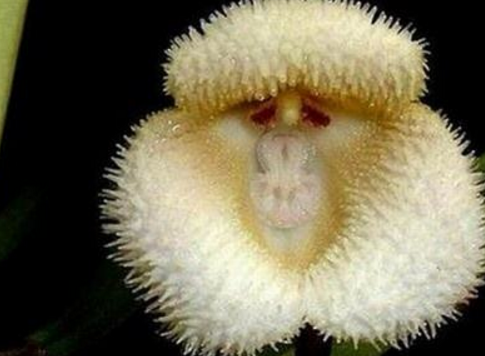
The Monkey Face Orchid prefers a semi-shaded, moist, well-ventilated environment and is fairly cold-tolerant, but it must not suffer freezing damage. Its flowering period is relatively short, with a single flower lasting 5-7 days. After the flowers fade, the flower stalk must be cut off from the base to encourage new shoots to grow. It is highly branching, with unusual large flowers and rich colors, and it can bloom in any season; the scent it gives off is similar to that of a ripe orange. So how do you treat pests and diseases on the Monkey Face Orchid? Below is an introduction to the control methods for pests and diseases of the Monkey Face Orchid.
Pest control methods for the Monkey Face Orchid
1. Aphids: They often gather in groups to harm tender leaves, flower buds, and so on, with nymphs and adults piercing and sucking sap. For a small number, you can brush them off with a soft brush; for treatment, spray 1000 times dilution of aphid-thrips-ling wettable powder, or 2.5% deltamethrin emulsifiable concentrate at 2000-3000 times dilution, or 40% methomyl at 1000 times dilution, or acetamiprid emulsifiable concentrate at 1500 times dilution, etc.
2. Scale insects: Adults and nymphs suck sap on the petioles, leaf bases, and leaf surfaces, producing yellow spots. In poorly ventilated environments, scale insects multiply and cause damage easily. Ensure ventilation and air movement. Once scale insects appear, promptly spray 25% buprofezin wettable powder at 1000 times dilution or 40% methidathion emulsifiable concentrate at 800-1000 times dilution, once every 7 days, for 2-3 consecutive times.
3. Snails and slugs: They mostly feed at night on new shoots, new leaves, flower buds, and the root system. From June to October, in damp environments, control them promptly. Spread lime powder on the ground, or use 8% metaldehyde granules scattered in the places where they appear, or spray trichlorfon and other pesticides on the leaf surfaces to kill them.
Disease control methods for the Monkey Face Orchid
1.: It occurs mostly in hot, humid seasons, and especially develops quickly after summer rain. The plant's leaves turn yellow and wilt, and the whole leaf rots. Cut away the dead diseased leaves, and be careful that the growing medium is not too wet. Choose hymexazol at 2000 times dilution or 25% propiconazole emulsifiable concentrate at 2000 times dilution to spray the base or drench the roots. Or spray 50% benomyl wettable powder at 1000 times dilution, or 40% thiophanate-methyl suspension concentrate at 500 times dilution, or 2.5% fludioxonil suspension concentrate at 2000 times dilution, once every 7-10 days, for 2-3 consecutive times.
2. Anthracnose: It occurs mostly during the plum rain season. In the early stage, round or oval reddish-brown patches appear on the leaves; in the later stage the lesions turn dark brown, and in severe cases the lesions show necrosis. Prune away the dead leaves and ensure good ventilation. You may spray wettable powders such as chlorothalonil, thiophanate-methyl, or mancozeb at 600-1000 times dilution, once every 5-7 days, for 2 consecutive times. Before onset or in the early stage, you may spray 50% anthracnose-ling emulsifiable concentrate at 600 times dilution, once every 10 days, for 3-4 consecutive preventive applications.
3. Southern blight: It occurs mostly in the hot, rainy season from August to September. In the early stage, the base of the orchid leaves turns brown and rots, producing white silky mycelium; in severe cases the entire leaf cluster dies. In the greenhouse, ensure ventilation, and the spacing between potted flowers must not be too dense. When the disease occurs, you may use orchid disease-bi-zhi at 800-1000 times dilution, or 50% fu-duo-ning at 1000 times dilution, or 75% mie-pu-ning at 2000 times dilution, once a week, for 3-5 consecutive times. You may also drench the roots of the seedlings thoroughly with 1% copper sulfate solution; diseased potted flowers should be removed from the greenhouse and buried for destruction.
4. Leaf blight: It mostly occurs under hot, humid conditions. Small black spots appear near the leaf tips or at the front part of the leaves, and the lesions gradually expand to cover the entire leaf, which finally withers and drops off. Upon noticing symptoms, immediately cut away the diseased leaves, and at the same time spray chlorothalonil at 800 times dilution or mancozeb at 500 times dilution.
5. Tillering rot: It mainly occurs on tiller buds, and secondly on leaves. In the early stage, water-soaked lesions the size of mung beans appear at the base of the buds; under hot, humid conditions it easily infects the leaf surface, producing dark brown water-soaked large patches. During continuous rainy days in summer, if fertilizer and water management is improper and the potting soil is highly wet and heavily fertilized, the disease occurs easily. Soil moisture content should be controlled. When new shoots emerge and reach 4-5 cm in height, spray 0.01% boric acid solution at 1000 times dilution or sha-ku-jing, and you may also use agricultural streptomycin at 1000 times dilution for control.
6. Root rot: Part or all of the root system rots and turns black, and the plant grows poorly. The main causes are blocked drainage holes at the bottom of the pot, waterlogged substrate with poor aeration, overwatering, cold weather, or damage from concentrated fertilizer. Clear the drainage holes; during the new seedling growth period, do not water over the top, and ventilate promptly after spraying water on the leaves to keep the leaf bases dry. Avoid excessive nitrogen fertilizer during the growth period. When the disease occurs, you may drench the roots with 50% root-rot-ling wettable powder at 1000-1500 times dilution or 15% hymexazol aqueous solution at 600-800 times dilution, once every 7-10 days, for 3-4 consecutive times.
Common Diseases of the Monkey Face Orchid and Their Control Methods
Common disease of the Monkey Face Orchid: Wilt disease
Symptoms
It occurs mostly in hot, humid seasons, and especially develops quickly after summer rain. The plant's leaves turn yellow and wilt, and the whole leaf rots. Cut away the dead diseased leaves, and be careful that the growing medium is not too wet.
Control methods
Choose hymexazol at 2000 times dilution or 25% propiconazole emulsifiable concentrate at 2000 times dilution to spray the base or drench the roots. Or spray 50% benomyl wettable powder at 1000 times dilution, or 40% thiophanate-methyl suspension concentrate at 500 times dilution, or 2.5% fludioxonil suspension concentrate at 2000 times dilution, once every 7-10 days, for 2-3 consecutive times.
Common disease of the Monkey Face Orchid: Anthracnose
Symptoms
It occurs mostly during the plum rain season. In the early stage, round or oval reddish-brown patches appear on the leaves; in the later stage the lesions turn dark brown, and in severe cases the lesions show necrosis.
Control methods
Prune away the dead leaves and ensure good ventilation. You may spray wettable powders such as chlorothalonil, thiophanate-methyl, or mancozeb at 600-1000 times dilution, once every 5-7 days, for 2 consecutive times. Before onset or in the early stage, you may spray 50% anthracnose-ling emulsifiable concentrate at 600 times dilution, once every 10 days, for 3-4 consecutive preventive applications.
Common disease of the Monkey Face Orchid: Southern blight
Symptoms
It occurs mostly in the hot, rainy season from August to September. In the early stage, the base of the orchid leaves turns brown and rots, producing white silky mycelium; in severe cases the entire leaf cluster dies. In the greenhouse, ensure ventilation, and the spacing between potted flowers must not be too dense.
Control methods
When the disease occurs, you may use orchid disease-bi-zhi at 800-**** times dilution, or 50% fu-duo-ning at 1000 times dilution, or 75% mie-pu-ning at 2000 times dilution, once a week, for 3-5 consecutive times. You may also drench the roots of the seedlings thoroughly with 1% copper sulfate solution; diseased potted flowers should be removed from the greenhouse and buried for destruction.
Common disease of the Monkey Face Orchid: Leaf blight
Symptoms
It mostly occurs under hot, humid conditions. Small black spots appear near the leaf tips or at the front part of the leaves, and the lesions gradually expand to cover the entire leaf, which finally withers and drops off.
Control methods
Upon noticing symptoms, immediately cut away the diseased leaves, and at the same time spray chlorothalonil at 800 times dilution or mancozeb at 500 times dilution.
Common disease of the Monkey Face Orchid: Tillering rot
Symptoms
It mainly occurs on tiller buds, and secondly on leaves. In the early stage, water-soaked lesions the size of mung beans appear at the base of the buds; under hot, humid conditions it easily infects the leaf surface, producing dark brown water-soaked large patches. During continuous rainy days in summer, if fertilizer and water management is improper and the potting soil is highly wet and heavily fertilized, the disease occurs easily.
Control methods
When new shoots emerge and reach 4-5 cm in height, spray 0.01% boric acid solution at 1000 times dilution or sha-ku-jing, and you may also use agricultural streptomycin at 1000 times dilution for control.
Common disease of the Monkey Face Orchid: Root rot
Symptoms
Part or all of the root system rots and turns black, and the plant grows poorly. The main causes are blocked drainage holes at the bottom of the pot, waterlogged substrate with poor aeration, overwatering, cold weather, or damage from concentrated fertilizer.
Control methods
Clear the drainage holes; during the new seedling growth period, do not water over the top, and ventilate promptly after spraying water on the leaves to keep the leaf bases dry. Avoid excessive nitrogen fertilizer during the growth period. When the disease occurs, you may drench the roots with 50% root-rot-ling wettable powder at 1000-1500 times dilution or 15% hymexazol aqueous solution at 600-800 times dilution, once every 7-10 days, for 3-4 consecutive times.