What should you do about herbicide damage in rice? Timely remediation is key
What should you do about herbicide damage in cotton? How should it be prevented and controlled? Cotton has many weed species, strong reproductive capacity and severe damage, and is one of the main natural enemies affecting cotton production. The use of chemical herbicides reduces labor, lowers production costs and improves cotton yield and quality. Due to a lack of herbicide use...
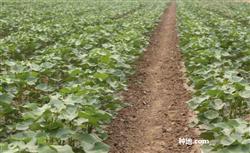 What should you do if rice suffers herbicide damage? How should it be prevented and controlled?
In order to increase the weed-killing effect and broaden the weed-killing spectrum, most compound herbicides contain bensulfuron-methyl, pyrazosulfuron-ethyl, acetochlor, etc. If farmers do not know how to use them, it is very easy to cause herbicide damage.
I. Judging herbicide damage
Rice may sometimes show symptoms similar to herbicide damage due to root suffocation, nutrient deficiency or pests and diseases, but through investigation and analysis it is still possible to determine whether it is herbicide damage.
1. Judge from the application period and application rate: if the time of application for pest and disease control is 1-2 days after rice transplanting (seedling throwing), it is relatively sensitive and herbicide damage sometimes occurs. Applying certain pesticide products at high doses can also easily cause herbicide damage.
2. Check fertilizer and water, and soil conditions: if the water is too deep after application (submerging the growing point), herbicide damage is likely to occur. Check whether poor growth symptoms in the plants are caused by improper fertilization or the application of immature organic fertilizer, or by improper retting of straw green manure in the field.
3. Check pests and diseases: rice plants damaged by rice thrips and rice root leaf beetles will become short and clustered, with the leaf tips partly rolled into tubes and turning withered yellow, and the fibrous roots short and small. The symptoms of common rice dwarf disease are mainly yellowing and withered curling of the leaves, stunting of the plant, fading starting from the top leaf tip, and the appearance of broken patches, but the leaf veins still remain green, and the leaves often show obvious alternating yellow-green stripes.
4. Look at the growth of the rice seedlings before and after application: after rice transplanting (seedling throwing) has normally returned to green (established), if abnormal symptoms occur after application, while the seedlings of the same seedling quality and same variety in adjacent fields grow normally, it may be herbicide damage.
II. Remedial measures
1. Re-transplant (re-throw) seedlings: if diagnosis confirms that the herbicide damage to the seedlings is severe and more than 80% of the seedlings have yellowed, collect seedlings and immediately replant (re-throw). Method of operation: first drain the field water, lightly plow once, then drain the muddy water, and then transplant (throw seedlings). In recent years, the sowing and transplanting (seedling throwing) seasons have been 7-15 days earlier than the traditional season. From discovering herbicide damage to replanting is generally 5-10 days, so the seasonal conflict is not prominent.
2. Strengthen fertilizer and water management and intertillage: for fields with herbicide damage, first drain the field water to which the herbicide has been applied, and irrigate with fresh living water. Next is weeding and intertillage, turning the herbicide adsorbed by the surface soil into the deep soil to reduce the effect of the herbicide on the rice root system. 2-3 days after weeding the field, apply 2-4 kg of imported compound fertilizer per mu to promote root growth and leaf development and speed up growth.
3. Apply rooting agent: after draining, weeding and fertilizing, it is best to apply 200 kg per mu of rooting agent abt at a concentration of 200 mg/kg, which has a good effect on promoting roots, can increase the number of roots by 25%-40%, and can speed up the growth rate.
Click to get a large amount of herbicide application technology
Click to get a large amount of pesticide application technology
Click to get a large amount of rice planting technology