Koi skin disease treatment methods, koi losing its red color? What factors affect koi coloration?
Koicoloration is mainly determined by three aspects: bloodline, feed, and water. If the bloodline and feed are good, and the water is also well managed, the koi's coloration can reach perfect expression.
The relationship between koi body color and water temperature
Coloration will change under the influence of water temperature. For example, in summer when the water temperature is higher, the body surface color looks lighter; conversely, when the water temperature is low, the color becomes more intense. Sometimes we find that after buying koi and keeping them at home for a period of time, their color becomes lighter. This is because koi specialty shops mostly use well water to raise koi, and well water has a lower temperature, while after buying them home they are kept in tap water, and the temperature rises relatively, so the color becomes lighter.
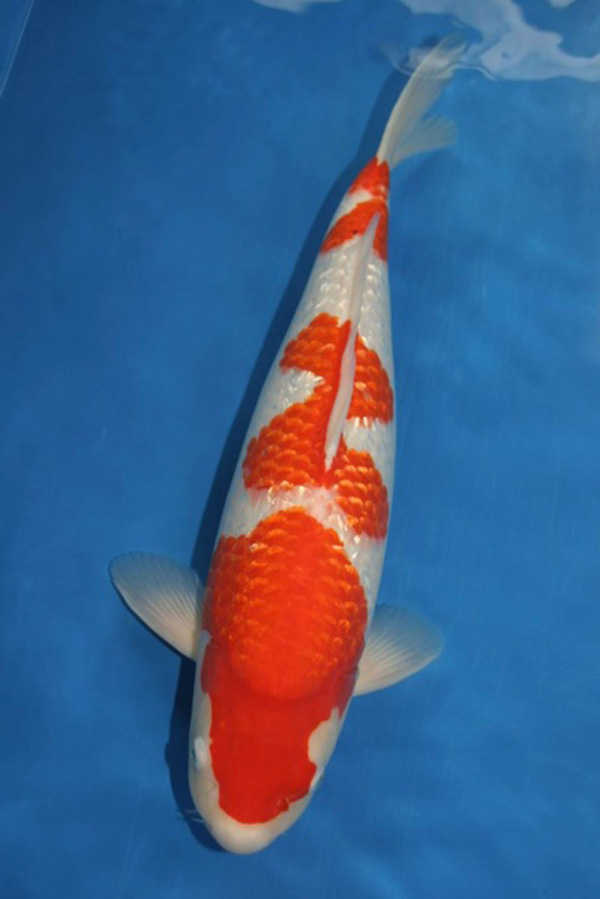
Water quality factors that make koi's white ground color more vivid
Eliminate ammonia in the water as much as possible. If the ammonia content is high, it will slow down the fish's metabolism, slow the excretion of toxins from the body, and the white ground will deteriorate.
Enhance the filtration effect and keep the rearing water pure. If possible, promptly siphon out the feces at the bottom of the tank or pond every day, and replenish with fresh water that has been dechlorinated.
Increase the dissolved oxygen in the water. Increased dissolved oxygen helps lower the ammonia content.
Water quality factors that make koi's red patches more vivid red
Water quality factors that make koi's red patches more vivid red
Keep the water's PH value between 7.0-7.2. You can place coral sand or oyster shells in the filter compartment to raise the water's PH.
Appropriate lighting and high dissolved oxygen tend to make the red quality condense on the epidermis. When dissolved oxygen is high, the ammonia concentration is generally lower, and the PH will not drop. When dissolved oxygen is low, the ammonia concentration will rise, the PH will drop, and the red quality will deteriorate. Therefore, pay attention to taking measures such as waste removal and water changes to control the concentrations of dissolved oxygen and ammonia.
BIOZYM
Water quality factors that make koi's black patches darker black
Maintain a relatively low water temperature.
You can appropriately increase the hardness of the rearing water, then after a period of time change it back to the original hardness. This can strengthen the deposition of the koi's black quality color.
Of course, water quality is one of the factors affecting koi body color. Other factors also include koi age, rearing density, feed, and bloodline. It is recommended that fellow fish keepers, when you find koi fading, do not panic first. Finding out the cause and solving the problem is the way to avoid koi losing their red color again.
Past highlights review
An introductory primer before jumping into the sea~
Pay attention when the temperature rises!
Killer in the water, an in-depth interpretation!
。