Planting Methods and Field Management Tips for He Shou Wu (Fallopia multiflora)
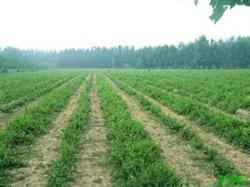
He Shou Wu (Fallopia multiflora) is a perennial twining vine in the Polygonaceae family, and its tuberous root is a commonly used Chinese medicinal herb. It is cultivated in Henan, Hubei, Guangdong, Guangxi, Sichuan, Guizhou and other parts of China. It prefers a warm, humid climate and is fairly shade-tolerant, but it dislikes waterlogging. It is best planted in deep, loose, fertile, well-drained sandy loam soil, and a preceding crop of grass-family plants is ideal.
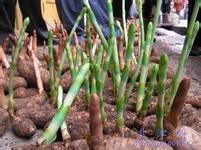
There are mainly three propagation methods: seed propagation, cutting propagation and tuberous root propagation. Seed propagation is usually carried out in spring, and the seeds can be soaked to promote germination before sowing. For cuttings, choose vigorous current-year vine stems and cut them into small sections with nodes before inserting them into the seedbed. With tuberous root propagation, small tuberous roots are selected and planted directly; the survival rate is higher and results come faster, so this method is widely used in production.
For field management, pay attention to weeding and watering during the seedling stage, keeping the soil moist but not waterlogged. Because the vines of He Shou Wu grow vigorously, once the stems reach a certain height you should set up trellises in time to train the vines, or combine pruning to control excessive vine growth and promote the movement of nutrients to the tuberous roots. During the growing season, you can fertilize during intertillage, mainly with organic fertilizer, and appropriately supplement phosphorus and potassium fertilizer in the middle and late growth stages, which helps the tuberous roots expand.
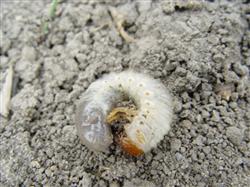
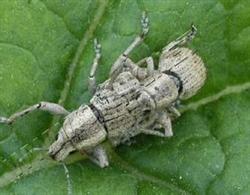
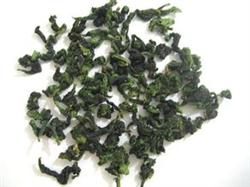
During cultivation, also pay attention to preventing and controlling diseases and pests such as root rot, leaf spot and aphids. Clearing the ditches and draining water promptly during the rainy season can reduce root rot. He Shou Wu can generally be harvested two to three years after planting. The tuberous roots are usually dug up in autumn or winter after the aboveground parts wither. After digging, remove the fibrous roots and soil, wash them clean, and dry them in the sun or by heat before storing them for later use.
Related Reading