What are the key points of Rehmannia glutinosa cultivation management methods?
What management methods are there for Rehmannia glutinosa cultivation? Please provide guidance. Rehmannia glutinosa cultivation management is divided into several types, as follows: I. Field management 1. Timely thinning and replanting. When the seedlings are 10-12 cm tall, begin thinning, leaving 1 strong seedling per hole. If there are missing plants, replant promptly on a cloudy day, and when replanting, lift the seedlings with soil, ...
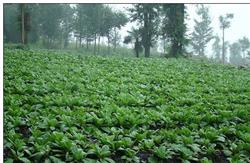
What management methods are there for Rehmannia glutinosa cultivation? Please provide guidance on the management methods
Rehmannia glutinosa cultivation management is divided into several types, as follows:
I. Field management
1. Timely thinning and replanting. When the seedlings are 10-12 cm tall, begin thinning, leaving 1 strong seedling per hole. If there are missing plants, replant promptly on a cloudy day, and when replanting, lift the seedlings with soil, as this gives a higher survival rate.
2. Cultivation and weeding. The rhizome of Rehmannia glutinosa is relatively shallow in the soil, so cultivation should be shallow to avoid damaging the roots. Weeds around the seedlings should be pulled out by hand. After the plants close the rows, stop cultivation.
3. Topdressing. Rehmannia glutinosa likes fertilizer. In addition to applying sufficient base fertilizer, after thinning apply 100 kg of superphosphate and 30 kg of decomposed cake fertilizer per mu to promote rhizome development and enlargement. When the rows close, spread 1 application of wood ash between the rows to promote robust plant growth.
4. Irrigation. Rehmannia glutinosa needs a large amount of water in the early stage, so it should be watered frequently. In the later stage, which is the underground rhizome enlargement period, water should be used sparingly. During the rainy season, drainage should be done promptly to prevent root rot.
5. Remove stringy surface roots. In addition to the main root, Rehmannia glutinosa can also grow slender underground stems along the soil surface, called stringy surface roots. These stringy surface roots consume a lot of nutrients and should be removed promptly.
II. Preventing pests and diseases: The main diseases of Rehmannia glutinosa are leaf spot, ring rot, and fusarium wilt. These diseases generally begin to occur in early May and become severe in June-July, so timely prevention and control should be carried out. Pests include red spider mites, cutworms, and white grubs. These are controlled by conventional methods, and care should be taken to avoid using highly toxic pesticides when choosing chemicals.
Click to get more Rehmannia glutinosa cultivation techniques
Click to get more medicinal herb cultivation techniques