What are the control methods for ginseng white grubs?
White grubs are the larvae of large scarab beetles. They are voracious pests that can cause damage continuously. In spring, they begin activity when the soil temperature at 10 cm below the surface reaches 5°C; the optimal average soil temperature for activity is 13-18°C. Above 23°C they gradually move to deeper soil layers, and when the soil temperature drops in autumn to their suitable activity temperature, they move back up to the upper soil layers. Daily life...
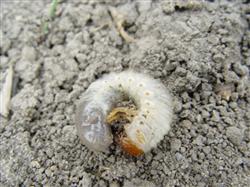
White grubs are the larvae of large scarab beetles. They are voracious pests that can cause damage continuously. In spring, they begin activity when the soil temperature at 10 cm below the surface reaches 5°C; the optimal average soil temperature for activity is 13-18°C. Above 23°C they gradually move to deeper soil layers, and when the soil temperature drops in autumn to their suitable activity temperature, they move back up to the upper soil layers. They live underground daily, mainly gnawing and feeding on the tender stems and roots of American ginseng, causing missing plants and broken rows. They are generally not easy to spot; when the leaves of the aboveground part are seen wilting, the roots have often already been mostly eaten away.
Control methods: use insecticides during the soil fallow period; do not use undecomposed organic fertilizer; hand-pick the pests, and when the infestation index reaches a certain level, broadcast insecticide and combine it with thorough irrigation.