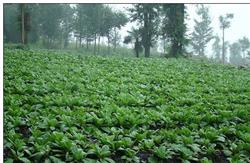
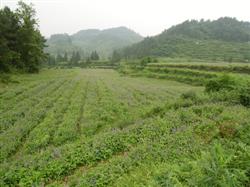
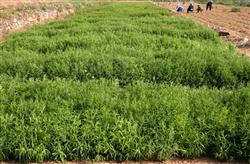
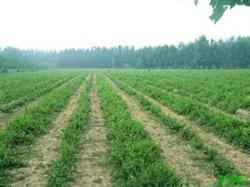
The cultivation method for Chuanxiong (Sichuan lovage, Ligusticum chuanxiong) is not complicated; the key lies in field management.
Chuanxiong (Sichuan lovage, Ligusticum chuanxiong) is a perennial herb in the Apiaceae family. Its dried rhizome is a commonly used traditional Chinese medicinal material, with the main effects of invigorating blood and promoting qi movement, and dispelling wind and relieving pain. In China, it has a relatively long cultivation history and relatively good quality in the Sichuan area. It prefers a warm and humid climate, is afraid of high temperatures and drought, and is not tolerant of waterlogging, so sandy loam with deep soil, loose and fertile texture, and good drainage should be chosen for planting. To reduce pests and diseases, Chuanxiong is generally not suitable for continuous cropping, and rotation with other crops is advocated.
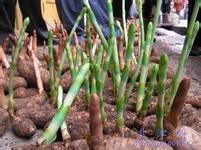
Chuanxiong is mainly propagated asexually using the stem nodes of the aboveground stems, commonly known as lingzi, and direct seeding with seeds is rarely used. The traditional practice is to first cultivate lingzi seed stock in mountainous areas, then transport it to flat dam areas for planting, with planting mostly arranged in late summer and early autumn. Before planting, the land should be deeply plowed, sufficient base fertilizer applied, and drainage ditches opened well. When planting, the lingzi should be placed flat or inserted obliquely into the soil, and after planting the soil should be kept moist to facilitate rooting and survival. When planting during the high-temperature period in summer, it can be intercropped with crops such as corn, using their stems and leaves for appropriate shading and cooling.
Field management mainly consists of cultivating and weeding and regulating water and fertilizer. During the growing period, weeds should be removed frequently, and hilling up around the roots should be carried out together with cultivation to avoid exposure of the rhizomes. Topdressing should promote early growth and control later growth, mainly with nitrogen fertilizer combined with phosphorus and potassium fertilizer, to prevent excessive application at one time. During the rainy season, ditches should be cleared and drainage carried out in time; during drought, water moderately to keep the soil moist but not waterlogged.
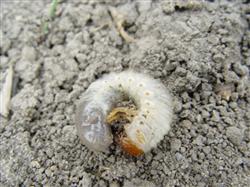
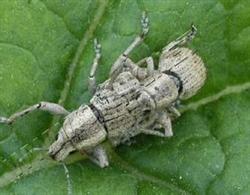
Common pests and diseases of Chuanxiong include root rot, powdery mildew, and stem node moth, among others. Prevention should be the main approach, reducing the probability of occurrence through rotation, reasonable dense planting, and timely drainage. Diseased plants should be removed as early as possible when found to prevent spread. Generally, in the summer of the following year after planting, when the aboveground parts wither, the rhizomes can be harvested. After digging them out, shake off the soil, cut off the fibrous roots, and after spreading to dry or sun-drying, they can be stored for sale.
Related Reading