Cultivating Lion's Mane Mushroom: Focus on Substrate Preparation, Sterilization and Fruiting Management
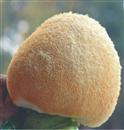
Lion's mane mushroom, also known as Hericium erinaceus, is a precious fungus used both as food and medicine, named for its fruiting body, which closely resembles the head of a monkey. Its flesh is tender and fine, its aroma delicate and fresh, and its nutritional value high. In nature it mostly grows as a saprophyte on dead wood and broken branches of broadleaf trees; today, artificial bag cultivation has made large-scale production possible, and it is one of the most popular rare edible mushrooms on the market.
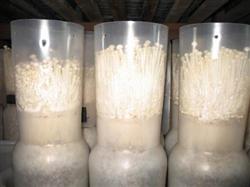
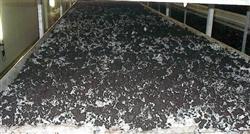
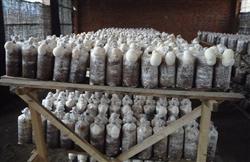
Artificial cultivation of lion's mane mushroom mostly uses hardwood sawdust, cottonseed hulls, corn cobs and other agricultural and forestry by-products as the main ingredients, paired with auxiliary materials such as wheat bran and gypsum, mixed with water and then bagged or bottled, thoroughly sterilized, cooled and finally inoculated. During the mycelial growth stage, the bags should be placed in a warm, dark, clean environment, taking care to prevent moisture and contamination by competing microbes; once the mycelium has fully colonized the substrate, the crop can be moved into fruiting management.
Management during the fruiting period directly determines the yield and quality of the mushrooms. Lion's mane mushroom prefers lower temperatures and higher air humidity during fruiting, so the growing room needs frequent misting to replenish water and keep the floor moist, while ventilation must be strengthened to prevent carbon dioxide accumulation; soft, diffused light is best, and direct strong light must be avoided. Watering should be done as a fine mist, sprayed lightly, to avoid water droplets lingering on the mushroom surface for long periods and inviting disease.
The most common problem in cultivation is deformed fruiting bodies, such as sparse, short spines, or mushrooms turning yellow or red or growing into a coral-like shape, mostly caused by excessively high temperatures, low humidity or poor ventilation; management should keep the environment stable and avoid sharp fluctuations in temperature and humidity. Harvesting must also be timely, generally picking the mushrooms when the spines first appear and before spores have been heavily discharged, when the fruiting bodies are intact and of the best quality.
Related Reading