When cultivating black fungus (wood ear mushroom), pay attention to the management during the spawn-running and fruiting stages
Black fungus cultivation refers to the production activity of cultivating this gelatinous edible fungus, black fungus (wood ear mushroom), through artificially controlled culture and environmental conditions. Black fungus is tender in texture and crisp in taste; it can be eaten fresh or dried for long-term storage, and market demand is relatively stable, making it a common project for farmers in many regions when developing courtyard economies and greenhouse production.
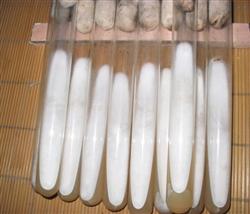
At present, bag-cultivation is the main method in production, while some areas still retain log cultivation. Bag cultivation mostly uses broadleaf tree sawdust, cottonseed hulls, corn cobs and other agricultural and forestry by-products as the main materials, paired with bran, gypsum and other auxiliary materials, and after mixing, bagging, sterilization, inoculation and other steps, fungus bags are made; once the mycelium has fully grown, they are transferred to fruiting management. This method has a wide source of raw materials and is relatively simple to operate.
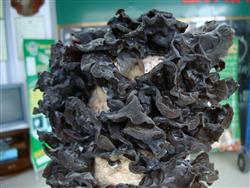
Management during the fruiting stage is often the key to the success or failure of cultivation. Black fungus likes moisture, and the fruiting yard needs to maintain relatively high air humidity; when replenishing water, it is best to spray frequently and lightly, avoiding a single heavy watering. At the same time, good ventilation must be ensured to prevent stuffy, humid conditions from causing rotten ears or the growth of contaminating microorganisms, and moderate scattered light is also beneficial for the ear pieces to spread out and for the color to be black and glossy.
When the ear pieces are fully spread and the edges begin to curl inward, they can be harvested in batches, and after harvesting they should be sun-dried or oven-dried promptly for storage. The common phenomena of rotten ears and flowing ears during cultivation are mostly related to excessive moisture and insufficient ventilation; once contaminated fungus bags are found, they should be cleaned up as early as possible, and the fruiting yard should be kept clean and hygienic.
Related Reading