How to Preserve Straw Mushrooms So Fresh Mushrooms Keep Longer
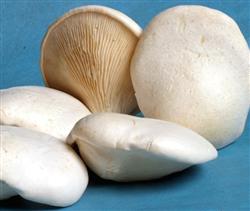
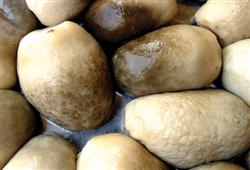
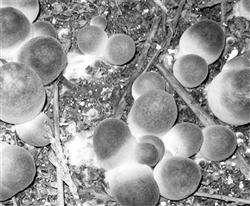
Straw mushrooms (Volvariella volvacea) have tender flesh and a delicious flavor, making them one of the common edible fungi of summer. After harvest, their respiration is vigorous, the caps tend to keep growing and open up, and because of their high water content they do not keep well at room temperature; they often soften, become sticky, or even spoil within a day or two. So it is very important to master suitable preservation methods.
For short-term storage, spread the straw mushrooms out in a cool, well-ventilated place and avoid piling them up or exposing them to direct sunlight. They can also be loosely wrapped in a fresh-keeping bag or plastic wrap and refrigerated, but straw mushrooms do not tolerate low temperatures, and too cold a temperature easily causes chilling injury, making the fruiting bodies soften and release water; generally an environment of about 10°C to 15°C is more suitable. Before storing, try not to wash them; keeping the surface dry can slow the rate of spoilage.
For long-term storage, wash the straw mushrooms, blanch them briefly in boiling water, drain them, and then quick-freeze them, which preserves flavor and texture fairly well. Sun-drying or oven-drying to make dried straw mushrooms is also a common method; just soak them in warm water before eating. In addition, salt-curing can also noticeably extend the storage period and is suitable for processing or long-distance transport.
For everyday storage, also pay attention to selecting mushrooms with intact shape and no damage, as damaged straw mushrooms spoil more easily. During storage, check them promptly; any that have softened, become sticky, or developed an off smell should be removed as soon as possible so they do not affect the rest. Overall, straw mushrooms taste best eaten fresh; the key to preservation is moderate low temperature, preventing crushing, and eating or processing them as soon as possible.
Related Reading