Method for Growing Straw Mushrooms with Straw in Summer
How to use straw to grow straw mushrooms in summer? Is there any netizen who can help introduce straw mushroom cultivation methods? Straw mushrooms have plump, tender flesh and a delicious flavor, with high nutritional value. In recent years, the price of straw mushrooms has been rising steadily, and the prospects are very promising. Moreover, straw mushrooms are a high-temperature mushroom species and are also the fastest to harvest among all edible fungi, requiring only 10-14 days from sowing to harvest, and only about one month to grow one crop, making them very suitable for cultivation in empty greenhouses during summer. Zhongdiwang has compiled the methods for growing straw mushrooms in summer, and the following is a detailed list for netizens' reference.
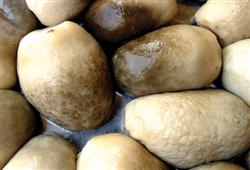 How to use straw to grow straw mushrooms in summer? Is there any netizen who can help introduce straw mushroom cultivation methods?
Straw mushrooms have plump, tender flesh and a delicious flavor, with high nutritional value. In recent years, the price of straw mushrooms has been rising steadily, and the prospects are very promising. Moreover, straw mushrooms are a high-temperature mushroom species and are also the fastest to harvest among all edible fungi, requiring only 10-14 days from sowing to harvest, and only about one month to grow one crop, making them very suitable for cultivation in empty greenhouses during summer. Zhongdiwang has compiled the methods for growing straw mushrooms in summer, and the following is a detailed list for netizens' reference.
Selection of raw materials for straw mushroom cultivation:
The main raw materials for producing straw mushrooms are wheat straw, corn and other crop straws, which can solve the problem of straw disposal, with low cost, wide sources of raw materials, easy-to-master technology and quick results. After cultivating straw mushrooms, the remaining waste material is directly turned and pressed into the soil as fertilizer, which can increase the organic matter content in the soil, improve soil permeability, reduce soil pathogens and toxic and harmful substances, and is beneficial to the normal production of the next crop of vegetables.
Preparation of the straw mushroom growing shed:
When cultivating straw mushrooms in summer, the shed is always in a high-temperature, high-humidity environment, which causes relatively great damage to the materials used to build the shed, such as bamboo poles, steel frames, straw mats, etc. Therefore, straw mushrooms are rarely cultivated in newly built greenhouses, but are most suitable for cultivation in some old sheds that have been used for a long time. This does not fear damaging the shed's supports and other facilities, and can also improve the soil, increase income, with obvious effects.
Summer straw mushroom cultivation steps:
Step 1, Treatment of straw mushroom raw materials:
Select fresh wheat straw, corn, cottonseed hulls, etc. as raw materials. Here, wheat straw is taken as an example. First soak it in 3%-5% lime water for 24 hours, then remove and drain it, mix in gypsum, livestock and poultry manure, phosphate fertilizer, plant ash, etc. to build a pile for fermentation. When stacking and fermenting wheat straw, generally the pile width is 1.2 m, the pile height is 1 m, and the length is more than 1 m. Appropriate ventilation holes should be made in the pile. After the pile is built, cover it with film to retain moisture. The prepared culture material should be soft in texture, with a water content of 70%, and the pH value adjusted to about 9.
Step 2, Straw mushroom cultivation method and sowing:
Ridge-type drill sowing is a new high-yield method for straw mushrooms, and sowing adopts three-layer ridge cultivation. First spread the culture material on the ground, 30-40 cm wide and 10 cm thick, and sow a layer of spawn along the surroundings. After mixing wheat bran with 3% lime water to moisten it, place it in the mushroom house for secondary fermentation. Sprinkle a 10 cm wide band of wheat bran in the center of the sowing area, spread the second layer of culture material, sow, and sprinkle wheat bran according to the above method, then spread a layer of culture material on top, sow a layer of spawn on the material surface, and cover with film.
Step 3, Management of straw mushrooms:
After sowing straw mushrooms, maintain the culture material temperature at about 36°C, keep it for 2-4 days, then remove the film. Then cover the bed surface with a thin layer (about 1 cm) of fertile sandy loam soil, and spray an appropriate amount of 1% lime water on the soil layer to keep the soil layer moist, then cover with plastic film. After covering with soil, control the room temperature at about 30°C and maintain the material temperature at 35°C. While ensuring the material temperature, ventilate appropriately.
On the 4th-5th day, spray mushroom-promoting water once. After spraying water, ventilate and exchange air appropriately. Avoid closing the vents immediately after spraying water, otherwise the mycelium will grow excessively. Under normal conditions, young mushrooms begin to form 6-7 days after sowing. At this time, attention should be paid to heat preservation and moisture retention, and appropriate ventilation.
Maintain the culture material temperature in the shed at 33-35°C, the relative air humidity at about 90%, and keep a certain amount of scattered light. Do not spray young mushrooms directly with water. When the humidity is not high enough, use water at about 30°C for mist spraying. Usually, mushrooms are ready for harvest about 10 days after sowing.
Click to get more straw mushroom cultivation techniques
Click to get more edible fungus cultivation techniques