An Introduction to the Characteristics and Uses of Pyraclostrobin
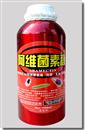
Pyraclostrobin is a broad-spectrum fungicide of the strobilurin class. It mainly kills or inhibits pathogens by suppressing their respiration and interfering with their energy metabolism. It has both protective and curative action, a broad fungicidal spectrum and relatively high activity, and is one of the fungicide varieties used fairly widely in agricultural production today.
Compared with some traditional fungicides, pyraclostrobin has a longer residual period and requires a relatively smaller amount per unit area, and it also has a certain health-promoting effect on crops. When used properly, it can help plants strengthen their stress resistance, making leaves darker green and more robust, which is beneficial for improving the overall vigor of the crop.
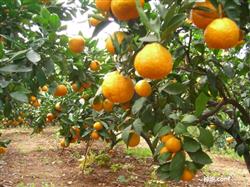
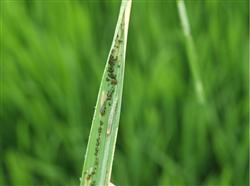
In terms of target pests and diseases, it can be used on fruit trees, vegetables and a variety of field crops, and has good control efficacy against fungal diseases such as downy mildew, powdery mildew, anthracnose, leaf spot, rust and late blight. Common formulations include emulsifiable concentrate and suspension concentrate, and it is generally applied by foliar spraying; the dilution ratio, dosage and number of applications should strictly follow the instructions on the pesticide label.
When using it, special attention must be paid to rotating pesticides; it should not be used alone continuously multiple times within the same growing season. It is best to alternate or mix it with fungicides that have different mechanisms of action, so as to delay the development of resistance. In addition, this agent is highly toxic to aquatic organisms such as fish and shrimp, so when applying it and cleaning equipment, prevent the liquid from flowing into ponds, rivers and other water bodies.
Before harvesting agricultural products, the pre-harvest interval specified on the label should be observed to ensure food safety. Before mixing it with other agents, it is recommended to conduct a small-area test first and confirm there are no adverse reactions before using it on a large scale; if unsure, consult local agricultural technicians.
Related Reading