A Detailed Guide to the Characteristics and Application Methods of Oxadiazon Herbicide
Oxadiazon is a selective pre-emergence herbicide belonging to the oxadiazolone class of compounds, commonly sold under trade names such as oxadiazon and Ronstar. It is mainly used in paddy fields, and can also be used in cotton, peanut, orchard and other crop fields to control annual grass weeds, broadleaf weeds and some sedges, such as barnyardgrass, crabgrass, foxtail and three-seeded mercury.
In terms of its mechanism of action, oxadiazon is mainly absorbed by the young shoots and young roots of weeds, interfering with photosynthesis and other normal physiological processes, causing the weeds to be poisoned and die before and after emergence. It works mainly as a soil-closing treatment; after application it forms a chemical layer on the soil surface and has a relatively long residual effect. Note that it works well on newly germinated weeds but poorly on plants that have already grown large, so the timing of application is critical.
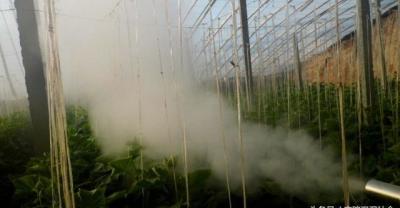
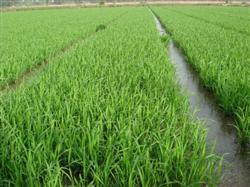
In practice, on dry land it is generally sprayed onto the soil after sowing and before emergence, while in paddy fields it is mostly mixed with soil and broadcast, or sprayed, after transplanting and seedling recovery, with a certain shallow water layer maintained to improve the closing effect. The dosage should be determined according to the pesticide label and instructions; the concentration must not be increased at will, and spraying should be even and thorough, avoiding overlapping or missed spots, so as to prevent crop injury or reduced efficacy.
Although oxadiazon is a low-toxicity pesticide, personal protection should still be taken during use, avoiding contact of the spray solution with skin and eyes, and washing promptly after application. The field water after application should not be discharged directly into fish ponds or rivers, and wastewater from cleaning spray equipment should also be properly disposed of. The pesticide should be stored sealed in a cool, dry place, away from food, feed and seeds, and kept out of the reach of children.
Related Reading