How to prevent phytotoxicity from plant growth regulators in cotton
How can cotton avoid phytotoxicity from plant growth regulators? Please advise on phytotoxicity from plant growth regulators and its symptoms: for the commonly used chlormequat, if the application concentration is too high or the dosage is too large, it will inhibit cotton plant growth, making the plants too short, causing buds and bolls to drop easily, and even deforming the bolls. When mepiquat chloride is sprayed in excess, it will inhibit...
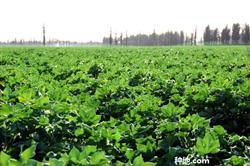
How can cotton avoid phytotoxicity from plant growth regulators? Please advise
Phytotoxicity from plant growth regulators and its symptoms: for the commonly used chlormequat, if the application concentration is too high or the dosage is too large, it will inhibit cotton plant growth, making the plants too short, causing buds and bolls to drop easily, and even deforming the bolls. When mepiquat chloride is sprayed in excess, it will inhibit growth, causing symptoms such as dark green leaf color, thickened leaves, deformity, wrinkling, and shortened internodes on the main stem.
Control measures: 1. Strict operation. When using, strictly follow the operating procedures to select and apply the pesticide reasonably, and repeatedly read the concentration, method and timing on the label to prevent phytotoxicity from improper use. 2. Timely washing. After phytotoxicity occurs, the leaf surface can be rinsed with plenty of clean water, and in soil, irrigation and drainage can be used to wash out the chemical. 3. Use safeners to neutralize and detoxify; 0.5%-1% lime milk can be sprayed to neutralize and detoxify. Because "920" has the function of promoting plant cell growth, division and differentiation, when cotton suffers phytotoxicity from chlormequat and mepiquat chloride, a certain concentration of "920" can be sprayed to relieve the phytotoxicity. Paraquat is deactivated and loses efficacy upon contact with soil; after accidental spraying, immediately applying muddy water can make the chemical on the crop surface ineffective. 4. Spraying equipment for cotton fields must be dedicated; sprayers and measuring cups that have been used for 2,4-D butyl ester and MCPA must not be used, and other pesticides can only be sprayed after thorough cleaning. 5. Strengthen protection. When using non-selective herbicides for spraying between cotton rows, choose windless weather, install a protective shield on the nozzle, keep the nozzle low when spraying, and avoid getting the spray liquid on the cotton as much as possible.
Click to see more regulator application techniques
Click to see more pesticide application techniques
Click to see more cotton planting techniques