What kind of pest is the cutworm? A complete guide to control methods
What is a cutworm? How do you control cutworms? We also invite readers with control experience to share their advice. The cutworm is also called shangcan, dican, or root-cutting worm. Common cutworms include the large cutworm, the small cutworm, and the yellow cutworm. Therefore, Seedling Network has compiled detailed information on cutworms, listed below for readers' reference....
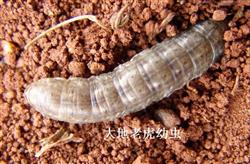 What is a cutworm? How do you control cutworms? We also invite readers with control experience to share their advice
The cutworm is also called shangcan, dican, or root-cutting worm. Common cutworms include the large cutworm, the small cutworm, and the yellow cutworm. Therefore, Seedling Network has compiled detailed information on cutworms, listed below for readers' reference.
Differences between the large cutworm, the small cutworm, and the yellow cutworm:
1. The large cutworm adult is generally 20-23 mm long, with a wingspan of 52-62 mm, and is dark brown. The antennae are filiform in females and feathery in males. Larva: the fully grown larva is 40-60 mm long, dark brown in body color, with the area between the two subdorsal lines dark grayish yellow. The skin is much wrinkled, with inconspicuous granules. Pupa: 23-29 mm long, with the punctures on the dorsal and lateral sides similar in size. Egg: hemispherical, light yellow when first laid, gradually turning yellowish brown, and grayish brown before hatching.
2. The small cutworm adult is 17-23 mm long, with a wingspan of 40-50 mm, and a dark brown body. On the forewing, there is a ""-shaped mark at the center of the outer side of the reniform stigma. The antennae are filiform in females and feathery at the front end in males. Larva: the fully grown larva is 37-44 mm long, grayish brown with a pale yellow tinge, and the skin is covered with large and small granules. Pupa: 18-24 mm long, with obvious punctures on the dorsal side of abdominal segments 5 to 7, larger than those on the lateral side. Egg: hemispherical, milky white when first laid, gradually turning yellow, with the top turning black before hatching.
3. The yellow cutworm adult is 15-18 mm long, with a wingspan of 40 mm, and a yellowish brown body. The antennae are filiform in females, and the front 2/3 is feathery in males. Larva: the fully grown larva is 33-43 mm long, yellow in body color, with black subdorsal lines; the larva is much wrinkled, and the skin granules are inconspicuous. Pupa: 16-19 mm long, with an additional row of spiracles below the spiracles of abdominal segments 5 to 7. Egg: hemispherical, milky white when first laid, later turning rice yellow, and turning grayish [color] before hatching.
Occurrence time of cutworms:
1. Overwintering larvae of the large cutworm begin to become active and cause damage in April; the fully grown larvae build earthen cells 3-5 cm below the soil surface in June for diapause and summer dormancy, and emerge as adults in autumn.
2. The small cutworm is generally active around early March, and late March to early and mid-April is the peak emergence period of small cutworm adults; the adults are phototactic and chemotactic, and prefer to lay eggs in low-lying, moist areas with abundant dicotyledonous weeds; the larvae have 6 instars in total, with the 1st to 2nd instars feeding on tender leaves day and night or biting them into notches, and after the 3rd instar they disperse, hiding in the surface soil near peanut seedlings during the day and causing damage at night.
3. The yellow cutworm has 2-4 generations per year and overwinters as larvae in the soil; it pupates in spring of the following year, and late April to early May is the peak emergence period of overwintering adults. All three cutworm species bite through tender peanut stems as larvae, causing missing plants and broken rows in crops.
Control methods for cutworms:
Method 1:Weeds are the main site where cutworms lay eggs in early spring and serve as a bridge for larvae to migrate to crops. Carrying out spring plowing and fine harrowing before spring sowing can eliminate eggs and 1st to 2nd instar larvae.
Method 2:Use blacklight lamps and sugar-vinegar liquid to trap and kill adults.
Method 3:Use 50% phoxim wettable powder to make poisonous soil and granules, and scatter them between crop rows at the seedling stage, which can achieve a relatively good control effect.
Method 4:Before digging and turning the field after the crop, spray with 90% trichlorfon crystals, or 50% phoxim EC at 1000-1500 times, or pyrethroid pesticides at 1500 times.
Method 5:Mix 0.25 kg of trichlorfon crystals with 30-50 kg of chopped fresh grass or broad bean stems and leaves; apply 5 kg of poisoned bait or 15-20 kg of poisoned grass per mu, scattering it between crop rows in the evening.
What is carbofuran used for?
What is DuPont Coragen?