Wheat germ oil is rich in nutrients and is widely used in the food and skincare fields.
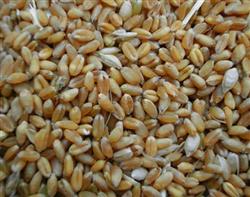
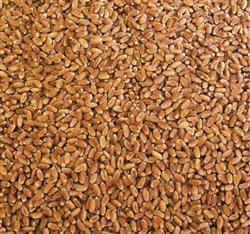
Wheat germ oil is a vegetable oil made from wheat germ as the raw material. Wheat germ is the embryo part of the wheat kernel, usually separated out during milling. Although it makes up only a small fraction of the grain, it concentrates a large amount of nutrients. The oil obtained by pressing or extracting the germ is yellowish in color and carries the natural aroma of the grain, and is regarded as a type of edible oil with relatively high nutritional value.
In terms of nutritional composition, the most notable feature of wheat germ oil is its high vitamin E content, making it one of the important sources of natural vitamin E. The oil also contains unsaturated fatty acids such as linoleic acid and linolenic acid, as well as components such as octacosanol and plant sterols, which is why it also has many applications in the fields of health foods and skincare products.
As for processing methods, common techniques include pressing, solvent extraction and supercritical extraction. Low-temperature pressing can better preserve the natural nutrients in the germ, but the oil yield is relatively limited; solvent extraction gives a higher oil yield but requires refining. When purchasing, you can pay attention to the raw material source and processing method stated on the product label.
In terms of use, wheat germ oil is better suited to cold dishes, dipping or low-temperature cooking, and is not suitable for prolonged high-temperature frying, because the unsaturated fatty acids in it tend to oxidize at high temperatures. For daily storage, be sure to keep it sealed, away from light and in a cool place, and use it up as soon as possible after opening to prevent the oil from oxidizing and developing an off flavor.
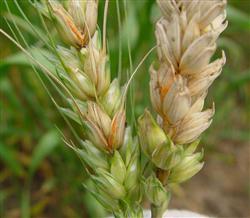
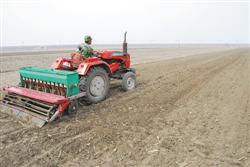
For growers, the quality of wheat germ oil is also related to the condition of the raw wheat. When diseases and pests such as fusarium head blight and wheat blossom midge occur severely, grain quality will be affected. Therefore, doing a good job of field control, choosing high-quality seed and carrying out proper pre-sowing treatment are all helpful for the overall quality of wheat-processed products, which also reflects the link between wheat production and processing.
Related reading