What are the methods for controlling wheat head blight (Fusarium head blight)?
What harm does wheat head blight cause? What are the methods for controlling wheat head blight? Is there any knowledgeable netizen who can help explain? Zhongdi Network has compiled the harm and control methods of wheat head blight, listed in detail below for the reference of fellow netizens. Harm of wheat head blight: wheat head blight is commonly known as "rotten head...
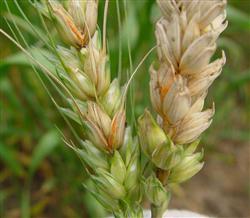 What harm does wheat head blight cause? What are the methods for controlling wheat head blight? Is there any knowledgeable netizen who can help explain?
Zhongdi Network has compiled the harm and control methods of wheat head blight, listed in detail below for the reference of fellow netizens.
Harm of wheat head blight:
Wheat head blight is commonly known as "rotten head wheat". Head blight can cause wheat seedling blight, stem rot and ear rot and other diseases. Once wheat head blight becomes epidemic, the rate of diseased wheat ears often reaches more than 50%, not only greatly reducing yield and degrading quality, but the diseased grains also contain toxins, which can cause poisoning symptoms in humans and livestock after consumption.
Head blight can occur from the wheat seedling stage to the heading stage, causing seedling blight, stem rot and ear rot, with ear rot being especially common and severe. Wheat ear rot begins after flowering, manifesting as spikelets and glumes first turning brown and then grayish white; when humid, a pink mold layer first appears on the glume seams and the base of the spikelets, followed by pinhead-sized blue-black small granules, and then causing the grains of diseased wheat ears to shrivel.
A temperature between 25-30°C and humidity of around 80% is the peak period for wheat head blight. If the temperature rises quickly in early spring and there is sufficient rain, the fungal perithecia in rice stubble form early and in large numbers, the amount of inoculum is large, and if the wheat heading and flowering period also encounters continuous rainy weather, then under the conditions where inoculum, weather and host growth stage all coincide, the disease (ear rot) will become a major epidemic.
Prevention methods for wheat head blight:
Method one,Eliminate overwintering inoculum sources: clear diseased residues such as rice and wheat stubble and corn stalks from the field; and combine with the control of smut and other diseases by disinfecting seeds before sowing.
Method two,Select disease-resistant (tolerant) high-yield improved varieties: Sumai No. 2, No. 3, Xiangmai No. 1, Xinong 88, 881, Xinbaofeng, Wanmai No. 27, Zhengyin No. 1, Hongmang 22, Yuemai No. 6, Wannian No. 2, Ning 8026, 8017 and others show relatively strong disease resistance (tolerance); each region can introduce and trial-plant them according to local conditions.
Method three,Strengthen cultivation management: adjust the sowing period according to local conditions; use formula fertilization, increase the application of phosphorus and potassium, and avoid excessive application of nitrogen fertilizer; improve drainage and irrigation systems, lower the groundwater level, and prevent premature root senescence.
Method four,Spray chemicals on wheat for protection during the key period; chemical prevention can be carried out according to the weather, seedling condition and disease condition before and after wheat heading in the local area. The first application should be timed at the full heading and flowering stage, spraying 2-3 times, once every 7 days. You can choose 50% carbendazim, 70% thiophanate-methyl, 45% triadimefon-thiram or 40% triadimefon-carbendazim at 1000-1500 times dilution for spraying.
Click to get more wheat planting techniques
Click to get more grain planting techniques