What are the precautions for storing wheat seeds?
What should be noted when storing wheat seeds? Please give guidance. Wheat harvest coincides with hot and humid weather. Even after thorough drying, if management after storage is improper, the seeds are still prone to absorbing moisture and becoming damp again, developing insects, heating up, and becoming moldy, making storage relatively difficult. Therefore, the key technical points of wheat seed storage must be mastered. 1. Strictly control...
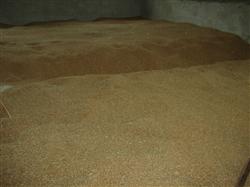
What should be noted when storing wheat seeds? Please give guidance
Wheat harvest coincides with hot and humid weather. Even after thorough drying, if management after storage is improper, the seeds are still prone to absorbing moisture and becoming damp again, developing insects, heating up, and becoming moldy, making storage relatively difficult. Therefore, the key technical points of wheat seed storage must be mastered.
1. Strictly control the moisture content of seeds at storage
The length of the wheat seed storage period depends on the seed moisture, temperature, and the moisture-proof performance of the storage facility. Tests in various regions have shown that: if seed moisture does not exceed 12%, and moisture reabsorption can be prevented, the seeds can be stored for a relatively long time without developing insects, becoming moldy, or decreasing in germination rate; if the moisture is 13% and the seed temperature reaches 30°C, the germination rate will decline somewhat; if the moisture is 14-14.5% and the seed temperature rises to 21-23°C, there is a great possibility of mold if management is poor; if the moisture is 16%, even if the seed temperature is 20°C, there will still be a lot of mold. Therefore, the moisture during wheat storage should be controlled below 10%, and the seed temperature should not exceed 25°C.
2. Hot storage after sun-drying for insect disinfestation
Wheat seeds have relatively strong heat tolerance. This characteristic can be used to sun-heat the seeds and put them into storage while hot, which can not only achieve the purpose of insect disinfestation but also promote wheat seeds to pass through dormancy more quickly. The specific method is: choose a sunny day to expose the wheat seeds to the sun so that the seed temperature reaches above 46°C but not more than 52°C, then quickly put them into storage and pile them up, add covering material on the surface layer, and seal the doors and windows to retain heat. After maintaining this high-temperature sealed condition for 7-10 days, ventilate and cool so that the seed temperature drops to close to the warehouse temperature, then proceed to conventional storage. When using this method, it should be noted that during the heat preservation period the seed temperature should not be too high, the seed moisture must be lower than 12%, and measures should also be taken to prevent excessive temperature difference between the floor and the seeds from causing condensation at the bottom layer; for seeds that have already passed through dormancy, because heat tolerance is somewhat reduced, this method is generally not suitable.
3. Use sealed moisture-proof storage
Because wheat seeds have strong hygroscopicity, during storage the seeds should be tightly sealed to prevent outside water vapor from entering the warehouse. In addition to sealing doors and windows, the top of the seed pile can also be covered with bamboo mats, gunny sacks, or similar materials. The covering should be flat, tight, and firmly pressed down. If conditions permit, use 10-15cm of dry chaff ash as a cover, which both prevents insects and prevents moisture. For small quantities, containers such as glazed earthen jars, urns, vats, and crocks with glazed inner and outer walls can be used to store the seeds. Before storage, dry them thoroughly; after storage, pay attention to sealing the opening. It is even more beneficial if a layer of dry chaff ash is placed at the bottom of the container and on the surface of the seeds. Placing the containers indoors in a cool place on the north side or burying two-thirds of them below ground can allow safe storage for a relatively long time.
4. Regular inspection
During seed storage, regular inspections should be carried out on seed temperature, moisture, germination rate, as well as warehouse temperature, humidity, and conditions such as insects, mold, rats, and birds, so that problems can be discovered and handled in time.
Click to get more wheat cultivation techniques
Click to get more grain cultivation techniques