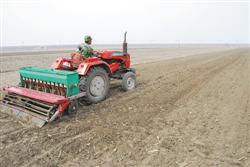
Introduction to Wheat Cultivation Management and Pest and Disease Control Methods
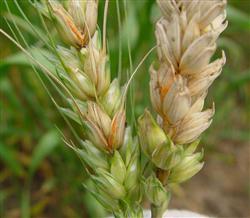
Wheat is a grain crop of the grass family (Poaceae) and one of the most widely grown food staple crops in the world. After its grain is milled into flour, it can be used to make steamed buns, noodles, bread and many other staple foods, and it is especially important in the northern regions of our country. Wheat has strong adaptability and a certain tolerance to cold and drought, and it can be cultivated in both plains and hilly areas.
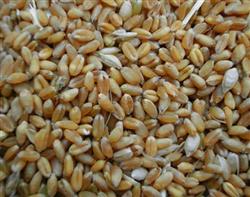
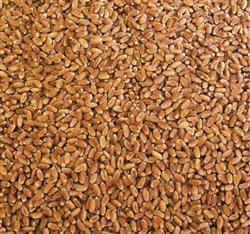
In terms of sowing season, wheat can be divided into two main types: winter wheat and spring wheat. Winter wheat is sown in autumn, overwinters, and matures in the summer of the following year; spring wheat is sown in spring and harvested in the same year. In addition, according to grain texture there is a distinction between hard wheat and soft wheat. Hard wheat has a relatively higher protein content and is often used to make bread and other foods, while soft wheat is more suitable for processing cakes and pastry products.
In growing wheat, the first priority is land preparation and seed selection. Good varieties combined with pre-sowing sunning of seed, chemical seed dressing or seed coating treatment can reduce the harm caused by soil-borne diseases and underground pests. In field management, the green-up and jointing stage and the grain-filling stage have relatively large water and fertilizer requirements, so irrigation and topdressing should be carried out in good time according to soil moisture, and weed control should also be done well. As harvest approaches, pay attention to weather changes to prevent continuous overcast and rainy weather from causing the grain to sprout and the quality to decline.
Common diseases during the wheat growth period include Fusarium head blight, powdery mildew and rust, while aphids and wheat blossom midges are the most commonly seen pests. Among these, Fusarium head blight often occurs when rainy weather is encountered during the heading and flowering stage. It not only causes yield loss but also affects grain quality, so pesticide spraying is needed in advance for prevention, along with attention to clearing ditches and draining water to reduce field humidity. Doing a good job of routine inspection and integrated control is the key to ensuring stable wheat production and a bumper harvest.
Related Reading