Detailed Key Points of Foxtail Millet Cultivation Technology: Good Land Preparation, Sowing and Field Management
Foxtail millet is an important coarse grain crop in northern China. After hulling, it becomes millet, and it has the characteristics of drought tolerance, poor-soil tolerance and strong adaptability. To grow foxtail millet well, arrangements need to be made around key links such as site selection and land preparation, sowing, field management and harvest.
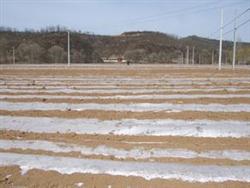
When selecting and preparing land, foxtail millet should not be continuous cropped; plots whose previous crop was legumes, root and tuber crops or corn should preferably be chosen for rational crop rotation. Because foxtail millet seeds are tiny and have weak soil-penetrating ability, land preparation must be fine, with the soil made fine and crumbly, loose on top and firm below, and sufficient base fertilizer applied in combination with plowing to create good conditions for emergence.
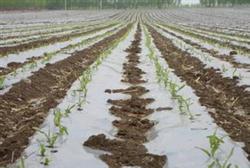
When sowing, suitable varieties and sowing dates should be chosen according to local climatic conditions. Spring-sown foxtail millet is mostly sown after the temperature rises steadily. Drilling is generally used, and the sowing depth should not be too deep. After sowing, appropriate compaction should be carried out so that the seeds are in close contact with the soil, which helps achieve neat and uniform emergence.
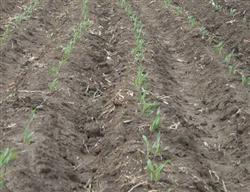
Field management is the top priority in foxtail millet cultivation. During the seedling stage, thinning and final singling should be done in time to prevent overcrowding of seedlings, and cultivating and weeding should be combined to loosen the soil and preserve moisture. In the middle and late growth stages, fertilizer and water should be applied reasonably according to growth vigor and soil moisture, with attention paid to preventing lodging, and timely drainage after rain. Common diseases of foxtail millet include downy mildew and millet rust, while insect pests mainly include millet stem borer and armyworm. Prevention should be given priority, and control should be carried out promptly once they are found.
Harvest can be carried out when most of the millet ears turn yellow and the grains become hard. Harvesting too early will affect grain weight, while harvesting too late makes it easy for grains and ears to drop. After harvest, drying, threshing and proper storage in time can effectively ensure the quality and taste of millet.
Related Reading