Barley Cultivation Techniques, Field Management, and Key Points for Disease Control
Barley is an annual or winter annual cereal crop of the genus Hordeum in the grass family (Poaceae). It is highly adaptable and tolerant of drought and poor soil, and it is cultivated throughout both northern and southern China. It is an important raw material for beer brewing and feed processing, and it can also be eaten as grain. Mastering scientific cultivation techniques is crucial for improving yield and quality.
When planting barley, the first step is to choose a good plot, preferably soil that is flat, convenient for irrigation and drainage, and deep. Before sowing, plow deeply, harrow finely, and apply sufficient base fertilizer. Sowing time depends on the climate in each area, and the principle of sowing at the appropriate time should be followed. Drill sowing should be used, with even seed placement and consistent depth. After emergence, check the seedlings and fill in gaps promptly to ensure the basic seedling population.
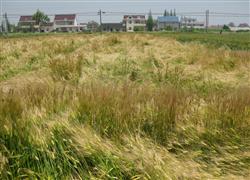
In field management, fertilizer and water should be managed rationally. During the seedling stage, the focus is on promoting strong seedlings; during the jointing and booting stages, water and fertilizer supply should be ensured; in the later stage, nitrogen fertilizer should be appropriately controlled to prevent excessive vegetative growth and delayed maturity. Cultivation and weeding can reduce nutrient consumption, and attention should also be paid to clearing ditches and draining water to avoid early root senescence caused by waterlogging in the field.
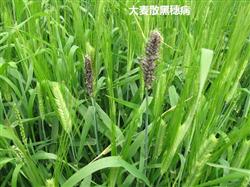
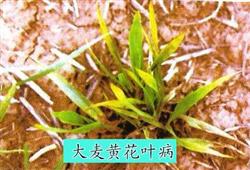
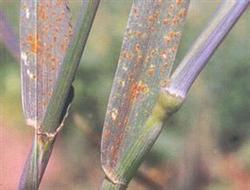
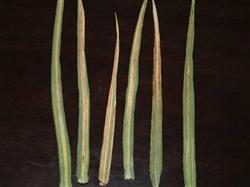
Common barley diseases include covered smut, stripe disease, and yellow mosaic disease, many of which are seed-borne and can be comprehensively controlled through measures such as selecting and retaining disease-free seed, chemical seed dressing, and crop rotation. To prevent lodging, sowing rate should be controlled, rational close planting should be practiced, and fertilizer and water should be scientifically managed in the early growth period to enhance stem lodging resistance and lay the foundation for a high yield.
Related Reading