Where can you find waxy corn cultivation techniques? Here are the detailed methods
What is the difference between waxy corn and ordinary corn? Where can waxy corn cultivation techniques be found? We also ask fellow gardeners who have grown it to help explain. What is commonly called waxy corn refers to corn rich in stickiness. Generally, waxy corn kernels have relatively coarse waxy endosperm, more like the glossy vitreous (transparent...
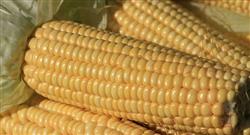 What is the difference between waxy corn and ordinary corn? Where can waxy corn cultivation techniques be found? We also ask fellow gardeners who have grown it to help explain
What is commonly called waxy corn refers to corn rich in stickiness. Generally, waxy corn kernels have relatively coarse waxy endosperm, more like the glossy vitreous (transparent) kernels of flint corn and dent corn. Its chemical and physical traits are controlled by a single recessive gene (wx), and this gene is located on chromosome 9. 100% of the starch in the endosperm is amylopectin. Besides being eaten fresh by humans as a vegetable corn, this type of corn can improve feeding efficiency when used as livestock feed. It also has industrial uses. It has a glutinous nature, commonly known as stickiness.
The nutrient content in waxy corn kernels is higher than in ordinary corn, containing 70-75% starch, more than 10% protein, 4-5% fat, and 2% various vitamins. The protein in the kernels is higher than in rice, and the content of fat and VB2 is the highest. Yellow corn also contains vitamin A (carotene), which rice and wheat lack. The genetic function of the wx gene in waxy corn is to change the type and properties of the endosperm starch in waxy corn. The molecular weight of waxy corn starch is more than 10 times smaller than that of ordinary corn, and its digestibility when eaten is more than 20% higher than that of ordinary corn.
The value of waxy corn is considerably higher than that of ordinary corn, so Zhongdiwang has compiled waxy corn cultivation techniques, listed in detail below for fellow gardeners' reference.
1. Selection and preparation of waxy corn planting land:
Waxy corn should be planted on plots with flat terrain, medium or higher fertility, and irrigation conditions. Moreover, in order to maintain the seed characteristics of waxy corn, prevent pollen self-perception effects, and avoid reducing viscosity and affecting appearance, it must be planted in isolation from other types of corn. Generally, spatial isolation must be no less than 300 m, and barrier isolation no less than 150 m; time isolation means the sowing date differs from other corn by 30 days.
2. Fertilization of waxy corn:
For planting waxy corn, it is best to apply 2000 kg of high-quality farmyard manure per mu. Alternatively, during land preparation, a one-time deep application of base fertilizer can be made with 30 kg of diammonium, 10 kg of potassium sulfate, and 1.5 kg of zinc sulfate, at a depth of 10-15 cm. After covering with soil and mixing, then sow, to prevent burning the seeds and sprouts and affecting emergence.
Because waxy corn is eaten fresh, early topdressing and irrigation are extremely important for achieving high quality and high yield. The first topdressing is done at the 7-9 leaf stage, applying 15 kg of urea per mu. The second is at the jointing stage, applying 30 kg of urea.
3. Sowing of waxy corn:
The seeding rate of waxy corn is 2 kg per mu. Before sowing, the seeds should be soaked to promote germination. The suitable temperature for germination promotion is 25°C. After the seeds show white sprouts, sow directly. The most suitable sowing period for waxy corn is from April 25 to May 5. It can be sown when the 5 cm soil temperature is stable at 8°C, with 3500-3600 holes per mu, 2-3 seeds per hole. Because waxy corn kernels are not plump, contain less starch and other nutrients, have weaker germination vigor, and poor seedling soil-penetrating ability, the emergence rate is far lower than that of ordinary corn. Sowing should not be too deep; appropriate shallow sowing and shallow soil covering are best. Generally, covering with about 2-4 cm of soil is sufficient.
To adapt to market demand, prevent overdue harvest, quality decline, and price drops that affect economic income, staged sowing and batch marketing are adopted. Direct sowing can start from April 25 and continue in stages until June 10, sowing once every 5-7 days. Generally, because temperatures are lower in the first two periods, the staggered intervals can be appropriately extended. For corn sown in June, the grain-filling and maturity period has lower temperatures and slower grain-filling speed, so the interval between the two periods can be appropriately shorter. For earlier marketing, plastic film mulching, paper tube seedling raising, and plastic tray seedling transplanting methods can be used. Sowing can be advanced by 7-10 days, and transplanting is done at the 3-leaf 1-heart stage, with the principle of staggering the frost period after emergence or transplanting. If greenhouse seedling raising is used and then transplanted into plastic tunnels, sowing can be done in early April. Early-maturing waxy corn varieties can also be multiple-cropped with wheat and Chinese cabbage, with seedlings raised 10-15 days before wheat harvest.
4. Cultivation management methods for waxy corn:
For weed control in corn fields, 50% acetochlor emulsifiable concentrate can be used at 75-100 ml per mu, with a minimum spray volume of 30 kg per mu, applied after sowing and before emergence. If corn is also planted in the next crop, atrazine can also be added when watering the holes to control weeds, at 1 kg per mu.
During the seedling stage of waxy corn, full stands, uniform seedlings, even seedlings, and strong seedlings should be ensured. Thin the seedlings early at the 3-leaf stage, leaving 1 plant per hole. After thinning, apply 5-10 kg of urea per mu, and spray once to control aphids and armyworms; for thrips, etc., use 40% dimethoate emulsifiable concentrate at 1500 times dilution.
Because waxy corn tends to tiller easily, any suckers found should be removed, and the earlier they are broken off the better; otherwise they consume nutrients and affect ear formation and the marketability of the ears. In abnormal years, multiple ears tend to appear, and it is best to keep only the top 1-2 ears. For selling fresh ears, it is best to keep only the top 1 ear, with the node position preferably at the 6-8 leaf stage, to promote large cobs and plump kernels that sell well.
At the jointing stage of waxy corn, apply 30 kg of fertilizer per mu, mainly to prevent "neck-choking drought" and ensure water supply. When the relative field water-holding capacity is less than 70%, irrigate 1-2 times.
Because corn borers are even more important for fresh-eating corn than for grain corn. This is because insect-eaten ears completely lose their commercial value, while grain corn only suffers yield reduction. For control, use 3% carbofuran granules or 2.5% zinc sulfate granules poured into the whorl.
When the silks of the female ears have all emerged, manual supplementary pollination can be carried out.
5. Timely harvest:
Because fresh-eating waxy corn is sticky and fragrant at the late milk stage, with excellent quality and the best palatability, this is the optimal harvest period. Note to harvest in the early morning before marketing, to avoid collapsing the milk and poor appearance color.
How to select corn seeds
How to promote germination of corn seeds