Key Cultivation Techniques and Daily Care Methods for Camellia
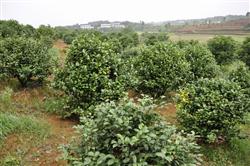
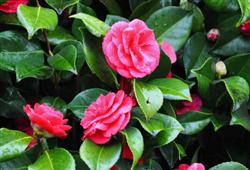
Camellia is an evergreen shrub or small tree of the genus Camellia in the family Theaceae, with leathery, glossy leaves and rich, brilliant flowers, and is one of China's traditional famous flowers. It prefers a warm, humid climate and fears severe cold and intense heat; it grows best in a semi-shaded environment and is fairly commonly cultivated in southern China, where it can be grown both in the ground and in pots for ornament.
When cultivating camellias, the first step is to choose good soil. It likes loose, fertile, well-drained, slightly acidic sandy loam, and soil that is heavy or alkaline should be avoided. When potting, place a layer of broken tile pieces at the bottom of the pot to aid drainage; the planting depth should be such that the root crown is level with the soil surface. After planting, water thoroughly to settle the roots, then keep it in a shady spot for a period to recover before moving it into normal care.
In daily care, water according to the principle of watering when dry and letting it dry out between waterings, keeping the potting soil moist but not waterlogged; in summer, mist the leaves to raise humidity and lower temperature. Camellias like diffused light; in spring and autumn they can receive more sunlight, while in midsummer they need appropriate shading. Fertilize with light, frequent applications; before flowering, use mainly phosphorus and potassium fertilizer to promote flower bud differentiation and blooming, and after flowering, supplement with nitrogen fertilizer to help the plant recover its vigor.
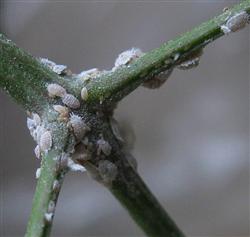
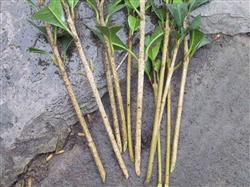
Pruning is generally done after flowering, removing dead branches, diseased branches and overly dense branches to keep the canopy well ventilated and exposed to light. Propagation can be done by cuttings, grafting and other methods; for cuttings, choose well-developed, sturdy branches. During the growing season, also pay attention to ventilation and prevent pests and diseases such as aphids, scale insects and leaf spot. If flower buds drop, it is usually related to improper watering, sudden environmental changes or lack of fertilizer; adjust the care methods in time so the plant can grow robustly and bloom abundantly.
Related Reading