Purple Cabbage Disease Control Methods and Key Field Management Points
Purple cabbage is a variety of head cabbage in the genus Brassica of the mustard family (Brassicaceae), named for its purple-red leaf heads. It has a relatively long growing period and is easily attacked by a variety of diseases in the field. The common ones are mainly soft rot, downy mildew, black rot and viral diseases. Identifying symptoms promptly and carrying out good control is an important part of ensuring yield and quality.
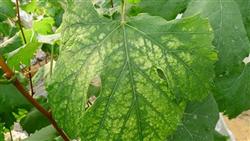
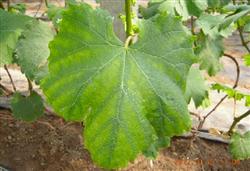
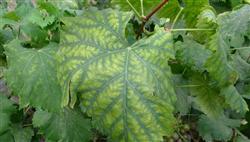
Soft rot mostly occurs during the head-forming stage. Water-soaked rot appears at the base of the head or on the outer leaves and carries a foul odor. It tends to become epidemic under high temperature and high humidity and when water accumulates in the field. Downy mildew mainly damages the leaves. Pale yellow patches appear on the leaf surface, and a grayish-white mold layer grows on the underside of the leaves. Black rot mostly spreads inward from the leaf margins, forming V-shaped yellowish-brown lesions; in severe cases the veins turn black and the diseased leaves gradually dry up.
To control purple cabbage diseases, agricultural measures must first be done well. When planting, choose varieties with better disease resistance and carry out proper crop rotation with non-cruciferous crops to avoid continuous cropping year after year, which leads to the accumulation of pathogens. Before sowing, seeds can be treated by soaking in warm water or by dressing with chemicals to reduce the risk of seed-borne infection during the seedling stage. In field management, reasonable close planting should be achieved, ventilation and light penetration should be maintained, watering should preferably be done frequently with small amounts of water, and after rain, drainage should be carried out promptly to reduce humidity.
Second is cleaning the field and using chemicals scientifically. During the growing period, diseased plants found should be removed promptly and taken out of the field for disposal. After harvest, remove plant residues and plow the soil deeply to reduce overwintering sources of inoculum. In the early stage of disease, corresponding fungicides or bactericides can be selected for spray control according to the type of disease, with attention paid to rotating chemicals, and the pre-harvest interval must be observed before harvest.
Overall, the control of purple cabbage diseases should adhere to the principle of giving priority to prevention and integrated control, combining the selection of improved varieties, field management and chemical control, so as to effectively control the occurrence of diseases and ensure the normal growth of the leaf heads.
Related Reading