Grape Calcium Deficiency Symptoms with Pictures and a Detailed Guide to Prevention and Control
What do the symptoms of calcium deficiency in grapes look like? What causes calcium deficiency in grapes? What methods can prevent and control calcium deficiency in grapes? We also ask experienced grape-growing readers to share their insights. Grapes are perennial vines, generally cultivated in greenhouses or on trellises, which means the vineyard soil cannot be plowed for long periods...
 What do the symptoms of calcium deficiency in grapes look like? What causes calcium deficiency in grapes? What methods can prevent and control calcium deficiency in grapes? We also ask experienced grape-growing readers to share their insights
Grapes are perennial vines, generally cultivated in greenhouses or on trellises, which means the vineyard soil cannot be plowed for long periods, causing elements in the soil to accumulate or leach away and resulting in deficiency symptoms. Today Zhongdi Network has compiled the harms, causes and prevention methods of calcium deficiency in grapes, listed in detail below for readers' reference.
Symptoms and harms of calcium deficiency in grapes:
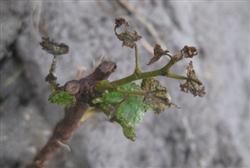
When grapes are deficient in calcium, the leaves become paler, the areas between the veins and the leaf margins of young leaves turn chlorotic, and then pinhead-sized brown spots appear near the leaf margins; as the grapes grow, the leaf margins scorch, the leaves curl downward, the growing tip at the top of the new shoots dies, the flowers shrivel, the fruit accumulates less sugar, tastes bland, has less bloom, and stores poorly; at the same time, the new roots of the grape are short and thick and bent, and the root tips tend to turn brown and die.
Causes of calcium deficiency in grapes:
Because calcium is one of the important basic elements in plants and plays an important role in a series of physiological processes. However, excessive potassium, ammonium, sodium, magnesium and other ions in the soil often hinder the grape's uptake and easily cause calcium deficiency; at the same time, low air humidity, rapid water evaporation, dry soil, and high soil solution concentration are all unfavorable to the grape's calcium uptake, thus causing calcium deficiency symptoms.
Prevention and control methods for calcium deficiency in grapes:
1. Irrigate the grapes appropriately to ensure an adequate water supply.
2. Apply 75-100 kg of lime or 200-300 kg of plant ash per mu of vineyard. Calcium magnesium phosphate fertilizer can also be applied to grapes, because calcium magnesium phosphate fertilizer contains 20%-30% calcium oxide, 16% magnesium oxide, 14%-18% phosphorus pentoxide, and 40% silicon dioxide. Click to view"The Role of Calcium Cyanamide"
3. When grapes show calcium deficiency, foliar spraying can be used to supplement calcium for the grapes. Calcium fertilizers that can be used for foliar spraying on grapes include: calcium carbonate, calcium chloride, calcium hydroxide, calcium silicate, etc. A 2% superphosphate extract or a 0.3% calcium chloride aqueous solution can also be used for spraying.
Note: Vineyards should avoid applying a large amount of potassium fertilizer and nitrogen fertilizer at one time, and calcium fertilizer should not be applied excessively. The best fertilization method is balanced fertilization or soil-test-based formula fertilization.
Prevention and Control Methods for Magnesium Deficiency in Grapes
How to Make Grapes Bear Fruit Several Times a Year