What to Do About Zinc Deficiency in Grapes? Symptoms, Pictures and Control Methods
What does zinc deficiency in grapes look like? What causes zinc deficiency in grapes? How do you prevent and control zinc deficiency in grapes? We also ask netizens with grape-growing experience to help explain. Grapes are perennial vines, generally grown in greenhouses or on trellises, which means vineyard soil cannot be plowed for long periods, causing the elements in the soil...
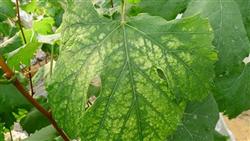 What does zinc deficiency in grapes look like? What causes zinc deficiency in grapes? How do you prevent and control zinc deficiency in grapes? We also ask netizens with grape-growing experience to help explain
Grapes are perennial vines, generally grown in greenhouses or on trellises, which means vineyard soil cannot be plowed for long periods, causing elements in the soil to accumulate or leach away, resulting in deficiency symptoms. Today Zhongdi Web has compiled the harm, causes and control methods of zinc deficiency in grapes, listed in detail below for netizens' reference.
Harm of zinc deficiency in grapes:
When grapes lack zinc, the main symptoms are mottling or yellowing on the lower leaves of the shoots, and narrow, small leaves at the top. When grapes lack zinc, the shoots are slender, the internodes are shortened, and the leaves lose green color. Some grape varieties show loose clusters, few or no seeds, small berries, and uneven berry size, seriously affecting the grapes' market appearance.
Causes of zinc deficiency in grapes:
Zinc is mainly related to the synthesis of plant auxin and the formation of chlorophyll. When zinc is lacking, plant auxin cannot form normally and chlorophyll decreases, causing plant tissues to be stunted and lose green color.
In alkaline soil, zinc salts are often in a difficult-to-dissolve state and are not easily absorbed by plants, thus causing zinc deficiency in grapes.
In sandy soil, zinc is washed away by rainwater, and the reduced zinc content in the soil causes zinc deficiency. Zinc deficiency is also likely to occur in poor hillside and hilly vineyards.
Moreover, different grape varieties have different sensitivity to zinc. For example, varieties such as White Muscat and Crimson are sensitive to zinc and prone to zinc deficiency.
Control methods for zinc deficiency in grapes:
Method 1: If the vineyard soil is sandy or saline-alkaline, increase the application of decomposed organic fertilizer to improve the soil.
Method 2: If the grapevines lack zinc, you can apply zinc sulfate to the cut surfaces when pruning.
Method 3: When fertilizing the vineyard, you can mix it with organic fertilizer and apply 100 kg of zinc sulfate per mu of grapes; if the zinc deficiency is caused by magnesium or copper deficiency, you can apply fertilizer containing magnesium, copper and zinc at the same time.Click to view"The Role of Zinc Sulfate"
Method 4: You can also spray the leaves with a 0.05%-0.1% zinc sulfate solution 2-3 weeks before grapes flower or when zinc deficiency is found. When spraying, never use too high a concentration of zinc sulfate, to avoid causing phytotoxicity to the grapes.
Control methods for boron deficiency in grapes
Control methods for magnesium deficiency in grapes
Control methods for calcium deficiency symptoms in grapes