Taro Disease Control Methods and Key Points for Identifying Common Diseases
Taro disease control refers to the identification, prevention and integrated management measures taken against common diseases during the taro growing period. The main common diseases of taro include blight, soft rot, Fusarium wilt, viral disease and leaf spot, and they tend to occur more severely under conditions of high humidity and frequent rain, continuous cropping and poor field management. Doing a good job of control is very important for ensuring taro yield and quality.
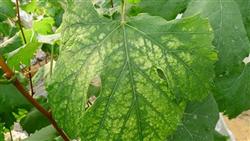
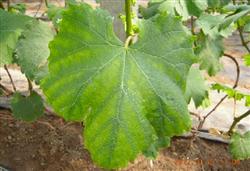
Blight mainly damages the leaves; the lesions are mostly dark brown, and in wet conditions mold-like growth can be seen on the diseased parts, with the leaves dying in severe cases. Soft rot often invades through wounds, and the corms and leaf stalks rot and become soft with a foul odor. Viral disease is manifested as mosaic, crinkling and stunted plants. When identifying, a comprehensive judgment can be made by combining the affected part, the presence or absence of odor and the weather conditions.
Agricultural control is the foundation of disease management. When planting, healthy, disease-free seed taro should be selected, and the seeds should be sun-dried or treated with chemicals before sowing. Practicing rotation with crops such as rice and avoiding continuous cropping can reduce the accumulation of pathogens in the soil. In the field, drainage and irrigation should be kept unobstructed to avoid waterlogging, and reasonable close planting should enhance ventilation and light penetration.
In water and fertilizer management, more decomposed organic fertilizer and potassium fertilizer should be applied, and excessive application of nitrogen fertilizer should be avoided, so as to improve the disease resistance of the plants. During the growing period, diseased plants found should be promptly removed and taken out of the field, and lime can be scattered in the diseased holes for disinfection. In the early stage of disease onset, appropriate fungicides or agricultural antibiotics should be selected according to the type of disease for control, and attention should be paid to rotating the chemicals.
Overall, taro disease control should adhere to the principle of prevention first and integrated control. Only by combining measures such as selecting disease-free seed taro, crop rotation and field management can the incidence of disease be effectively reduced and stable yield and high quality be achieved.
Related Reading