Disease Control Methods and Field Management Tips for Stem Lettuce
Stem lettuce is a leafy vegetable of the genus Lactuca in the Asteraceae family. Its leaves are tender and it grows quickly, and it is mostly cultivated in open fields or greenhouses. Because its tissues are young and tender and field humidity tends to run high, it is often infected by a variety of diseases during the growing period. Mastering scientific disease control methods is the key to ensuring quality and yield.
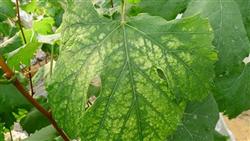
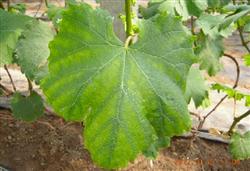
The common diseases in production are mainly downy mildew, soft rot, sclerotinia rot, and gray mold. Downy mildew mostly appears as pale yellow patches on the leaf surface, with a grayish-white mold layer on the underside of the leaf; soft rot often begins rotting from the base of the plant or from wounds, accompanied by an off-odor; gray mold and sclerotinia rot mostly occur in low-temperature, high-humidity environments, and mold growth or sclerotia can be seen on the affected parts. In addition, viral diseases transmitted by aphids and tipburn caused by uneven water supply are also fairly common in cultivation.
For control, the principles of prevention first and integrated management should be upheld. When planting, avoid continuous cropping with related vegetables such as lettuce, choose varieties with better disease resistance, and carry out seed treatment before sowing. In the field, high-ridge cultivation should be adopted, with reasonable close planting, maintained ventilation and light penetration, and timely drainage after rain to reduce humidity inside the greenhouse. Fertilization should be based on fully decomposed organic fertilizer, with nitrogen fertilizer application controlled and phosphorus and potassium fertilizer appropriately supplemented, to strengthen the plant's own disease resistance.
In the early stage of disease onset, diseased leaves should be promptly removed, diseased plants pulled up and taken out of the field for disposal, and then the corresponding pesticide should be selected and sprayed according to the type of disease, with attention paid to rotating pesticides to delay the development of resistance. At the same time, aphid control should be carried out well to reduce the routes of virus transmission; watering should preferably be done on sunny mornings, avoiding alternating dry and wet soil. Before harvest, the pesticide safety interval should be observed to ensure food safety.
Related Reading