Disease Control for Potherb Mustard: Focus on Identification and Field Management
Potherb mustard, also known as xuelihong, is a leaf vegetable of the mustard group in the cruciferous family, often used for pickling and processing. Its leaves are tender, and its growing period mostly falls in the cool, humid season, making it susceptible to downy mildew, viral diseases, soft rot, and white spot disease; if control is delayed, yield and quality can be noticeably affected.
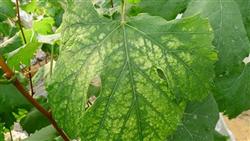
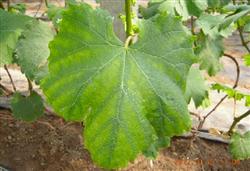
To identify diseases, first look at the symptoms. Downy mildew mostly produces yellow-brown angular lesions on the middle and lower leaves, with a white mold layer on the underside; viral diseases appear as leaf wrinkling, mosaic patterns, and stunted plants, often caused by aphid transmission; soft rot usually starts rotting from the base of the leaf stalk or wounds and has a foul, fishy odor; white spot disease forms grayish-white, nearly round spots on the leaf surface and tends to perforate in the later stage.
Control should be based on agricultural measures. When planting, choose varieties with better disease resistance, rotate with non-cruciferous crops, and maintain reasonable spacing to keep ventilation and light penetration; drain promptly after rain to lower field humidity; remove diseased leaves and plants early and carry them out of the field for disposal. Chemical control should seize the early stage of onset: for downy mildew, metalaxyl-type or mancozeb-type fungicides can be used; soft rot is a bacterial disease, so agricultural streptomycin or copper formulations can be sprayed on the stem base; for viral diseases, focus on controlling insects to prevent disease, with aphid control as the priority.
In routine management, also pay attention to balanced fertilization, apply more decomposed organic fertilizer, and avoid excessive nitrogen fertilizer that makes plants overly tender; watering should be done on sunny days, and flood irrigation should be avoided. After harvest, clean the field promptly and plow and sun the soil to reduce the overwintering inoculum of pathogens, and the disease severity the following year will be noticeably reduced.
Related Reading