Zucchini Disease Control Methods and Identification of Common Diseases
Zucchini disease control is an important part of the zucchini cultivation process, mainly targeting common diseases such as powdery mildew, downy mildew, gray mold, and viral diseases for prevention and management. These diseases mostly occur in environments with high humidity, muggy heat, and poor ventilation, and once they spread they directly affect leaf photosynthesis and fruit quality. Therefore, mastering the recognition of symptoms and control methods is key to ensuring yield and quality.
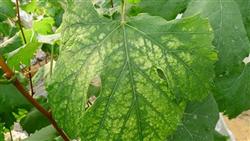
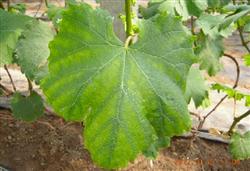
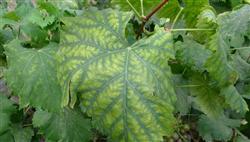
In terms of symptoms, powdery mildew mostly appears as a white powdery mold layer on the leaf surface, with leaves turning yellow and withering in the later stage. Downy mildew often forms yellow-brown lesions on the leaves that are limited by the leaf veins, and when humidity is high, a gray-black mold layer can be seen on the underside of the leaves. Gray mold mainly harms flowers and young fruit, and the affected parts are prone to rotting and grow a gray mold layer. Viral diseases manifest as mosaic and crinkled leaves, stunted plants, and deformed fruit.
Agricultural control is the foundation. When planting, varieties with better disease resistance should be selected, crop rotation should be practiced, and continuous cropping with similar cucurbits should be avoided; disinfecting seeds and soil before sowing can significantly reduce the initial sources of disease. During the growing period, reasonable close planting should be used, pruning and shoot removal should be done in a timely manner, and ventilation and light penetration in the field should be maintained. Drip irrigation or under-film irrigation is preferable for watering, avoiding flood irrigation that causes excessively high humidity.
Water and fertilizer management are equally important. In fertilization, nitrogen, phosphorus, and potassium should be used in combination, avoiding excessive nitrogen application that leads to excessive vegetative growth and reduced disease resistance; increasing the application of organic fertilizer and potassium fertilizer helps improve plant resistance. Diseased leaves and fruit found in the field should be removed promptly and taken out of the field for disposal to prevent the spread of pathogens.
Chemical control should adhere to the principle of early detection and early application. In the early stage of disease, targeted pesticides should be selected for spraying or root drenching, and attention should be paid to alternating different types of pesticides to delay the development of resistance. When applying pesticides, strictly control the concentration and the pre-harvest interval, and stop applying pesticides before harvest. Overall, zucchini disease control should focus on prevention first and integrated management, combining agricultural measures with pesticide control to achieve better results.
Related Reading